 EN
EN

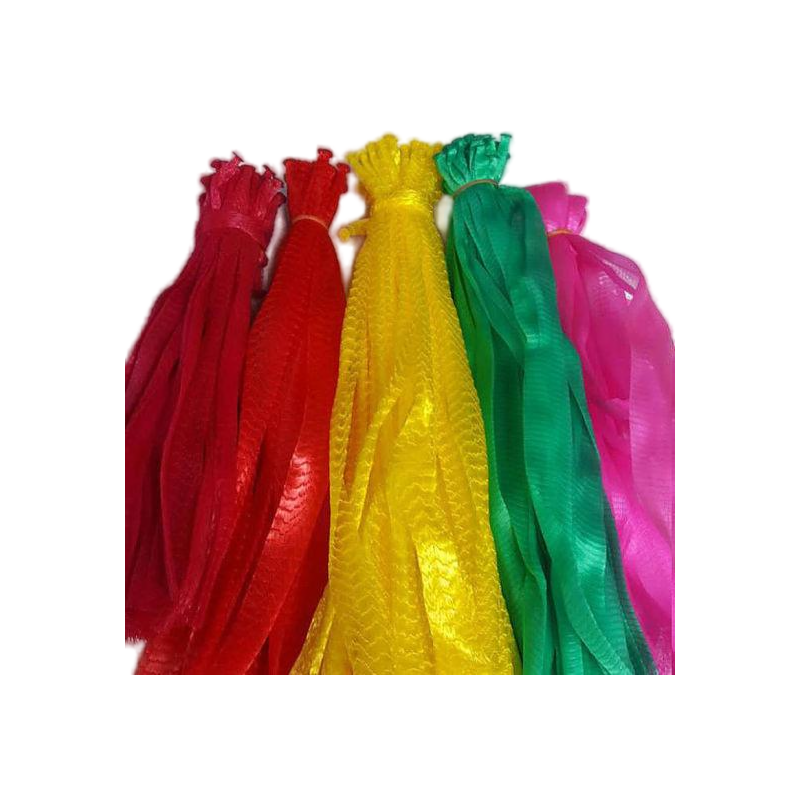
In the global agricultural supply chain, packaging is not just a container; it's a critical component that ensures product freshness, facilitates logistics, and enhances market appeal. For decades, bolsas de malla have been the go-to choice for packaging vegetables and fruits. But are they truly the ideal solution? As a specialist in plastics packaging with over 20 years of expertise, we delve into the features, benefits, and applications of various bolsas de malla to help you make an informed decision.
Understanding bolsas de malla: Types and Features
bolsas de malla are designed with porous structures that allow optimal air circulation, which is vital for preserving the quality of perishable goods. At Zaozhuang Jindalai Plastics Co., Ltd, we specialize in manufacturing several types of bolsas de malla, each tailored for specific needs:
Leno bolsas de malla: Known for their robust and interwoven structure, these bags offer excellent ventilation and durability. They are ideal for heavy-duty applications like packaging root vegetables (e.g., potatoes and onions) or fruits that require sturdy support during transit.
Raschel bolsas de malla: Made using a specialized knitting technique, Raschel bolsas de malla are lightweight yet strong. They provide superior breathability, making them perfect for delicate items such as citrus fruits, garlic, and shallots, where moisture buildup must be minimized.
Monofilament Net Bags: These bags are crafted from single-strand filaments, resulting in a smooth texture that prevents bruising. They are often used for packaging high-value fruits like avocados and mangoes, where aesthetic presentation is key.
Extruded Net Bags: Produced through an extrusion process, these bags feature a seamless netting design that enhances flexibility and resistance to tearing. They are suitable for irregularly shaped produce like ginger or passion fruit.
Knitted Tubular Net: This versatile option can be customized into various sizes and is commonly used for bundling multiple items, such as firewood or seasonal fruits, ensuring secure and organized packaging.
Beyond these, we also offer PP woven bags and big bags for bulk packaging of grains and other agricultural products. Each type is available in multiple specifications and colors to meet diverse customer requirements.
Why Choose bolsas de malla for Vegetables and Fruits?
The superiority of bolsas de malla lies in their functional design, which addresses common challenges in agricultural packaging:
Enhanced Ventilation: The open-weave structure allows continuous air flow, reducing the risk of mold and spoilage. This is crucial for items like potatoes and onions, which can rot in humid conditions.
Eco-Friendliness: Many bolsas de malla, including those made from polypropylene (PP), are recyclable and reusable, aligning with global sustainability trends. For instance, our PP woven bags can be repurposed for storage or waste management.
Cost-Effectiveness: bolsas de malla are lightweight, which lowers shipping costs compared to solid packaging. Their durability also means fewer breakages during handling, saving money in the long run.
Customizability: With options for different sizes, colors, and printing, bolsas de malla can be branded to enhance product visibility on shelves. For example, bright-colored bags can attract consumers in retail settings.
Applications in Real-World Scenarios
In practice, bolsas de malla have proven indispensable across the agricultural sector. For vegetables like carrots and cabbages, Leno bolsas de malla prevent compression damage while allowing easy inspection. For fruits such as oranges and lemons, Raschel bolsas de malla ensure they remain fresh and visually appealing during extended storage. Moreover, extruded net bags are gaining popularity for packaging organic produce, as their breathable nature supports natural ripening processes.
Addressing Common Concerns
Some might question whether bolsas de malla provide adequate protection against physical damage. However, advancements in material science have led to reinforced designs that balance airflow with impact resistance. Additionally, bolsas de malla can be layered or combined with inserts for extra cushioning when needed.
Conclusion: Are bolsas de malla the Ideal Choice?
Based on decades of industry experience, we confidently affirm that bolsas de malla are indeed an optimal solution for packaging vegetables and fruits. Their blend of functionality, sustainability, and affordability makes them a smart choice for farmers, exporters, and retailers alike. At Zaozhuang Jindalai Plastics Co., Ltd, we continue to innovate in this space, offering tailored solutions that meet evolving market demands. Whether you're packaging seasonal harvests or exporting globally, our bolsas de malla deliver reliability and value.
By understanding the nuances of each mesh bag type, you can select the perfect packaging to enhance your product's lifecycle. Embrace the versatility of bolsas de malla and experience the difference in quality and efficiency.