 EN
EN

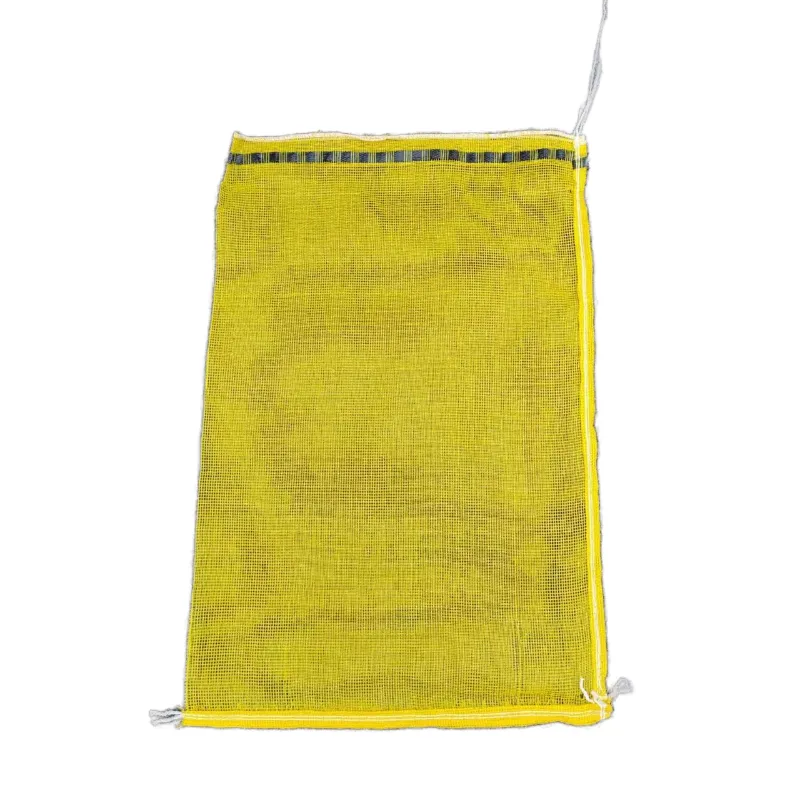
Key Features of Circular Leno Mesh Bags for Onions
Ventilation and Air Circulation
Onions stay fresh longer when stored in Circular Leno mesh bags because they let air move around properly. The mesh design stops moisture from building up inside, which is what usually causes onions to rot. What's really clever about these bags is how they manage airflow. They cut down on steam and those nasty ethylene gases that make onions go bad faster. Some tests show onions last about 30% longer with good ventilation, though results can vary depending on storage conditions. Most farmers swear by these mesh bags for this reason. Plus there's another benefit nobody talks about much the transparency factor. Farmers can actually see what's inside without opening the bag, so they spot any bad onions quickly before they start spreading rot to the whole batch.
Durability and Load Capacity
Circular Leno mesh bags really stand out when looking at how long they last and what kind of weight they can take on compared to regular alternatives. These bags are built tough enough to carry big batches of onions without ripping apart mid-load. Some testing has shown these mesh bags actually handle about 25% more weight than old fashioned jute sacks or cardboard boxes do. The way they're woven together helps them fight off scratches and general wear and tear, so they work great even when tossed around during transport. A bunch of suppliers have reported seeing much less product getting lost or damaged once they switched over to using Circular Leno bags, which shows just how dependable these things are for moving heavy stuff around while keeping everything inside safe.
Drawstring Closures for Secure Packaging
Drawstring closures on Circular Leno mesh bags keep things securely packed, which matters a lot when transporting onions safely. They seal pretty tightly so nothing spills out, and people actually handle the bags better this way. Warehouse staff report fewer problems managing their loads, and many users say these closures really cut down on damaged products from bags accidentally coming open during transit. Some research shows that good closure systems can actually lower how often customers send back spoiled goods. That makes sense when looking at perishables like onions, where keeping them properly sealed throughout transport is just common sense for both quality control and business economics.
Material Considerations: PP vs HDPE in Mesh Bag Construction
Polypropylene (PP) Benefits for Longevity
Polypropylene, or PP for short, stands out as a really tough material that doesn't break down easily, so mesh bags made from it tend to last much longer even when they get rough treatment. Some studies indicate that PP bags actually hold up about two times better than regular old jute bags under similar weather conditions. What makes PP even more attractive is how light it is compared to other materials. Lighter weight means shipping costs go down, which saves money especially when companies need to buy large quantities at once. And there's another plus point worth mentioning here. These PP bags resist getting wet and won't absorb chemicals either. So when farmers pack onions inside them, the produce stays fresh without picking up any strange smells or tastes during transport and storage periods.
Explore more details on the PP Tubular Leno Mesh Bag For Onions & Potatoes.
High-Density Polyethylene (HDPE) Flexibility
HDPE offers remarkable flexibility that lets bags fold up small or compress without losing their integrity, which makes it particularly useful for mesh bag designs. The material's bendy nature means these bags take up less room during storage and stack better too, something that warehouse managers love since it frees up valuable floor space for both suppliers and stores. HDPE bags also hold up better against cracks and breaks than standard alternatives, even when temps drop low outside, so they stay intact whether stored in cold warehouses or shipped across different climates. Plus, because HDPE is so light weight compared to other options on the market, companies save money on transportation costs whenever moving bulk orders around the country. No wonder so many manufacturers and logistics firms have switched over to HDPE in recent years for all these practical advantages.
Discover more about the Purple HDPE Leno Mesh Bag For Garlic & Ginger.
In summary, both PP and HDPE materials provide distinct advantages in mesh bag construction. PP is favored for its longevity and moisture resistance, ideal for preserving produce under varying environmental conditions. HDPE shines in its flexibility and efficiency in storage, reducing costs while maintaining structural integrity.
Advantages Over Traditional Packaging Options
Comparison with Raschel Mesh Bags
Comparing Raschel mesh bags with Circular Leno bags reveals some important differences, especially when it comes to how well they let air through. For something like onions that need good airflow to stay fresh, Circular Leno bags work much better. Raschel mesh tends to trap too much moisture inside because the weave doesn't allow proper ventilation, which means the contents can spoil quicker. The Circular Leno design creates a more even structure throughout the bag, so weight distributes better and items get protected while being moved around. Studies show that these mesh bags retain water more easily than their Leno counterparts, which helps explain why spoilage happens less frequently with the latter. Companies switching over from Raschel to Circular Leno packaging noticed around a 20 percent drop in wasted products, which makes sense given how much longer the goods stay fresh on store shelves.
Cost-Effectiveness vs Jute or Cardboard
Compared to old school choices like jute sacks or cardboard boxes, Circular Leno mesh bags actually end up costing less in the long run. Regular jute and cardboard tend to fall apart after just one trip through shipping and handling, while these durable Leno bags can handle repeated use without tearing. Some companies report cutting their packaging expenses by around 30% when they make the switch. Beyond saving money at the bottom line, there's also the environmental angle worth considering. These reusable bags cut down on landfill waste dramatically compared to disposables. Plus, manufacturers don't have to keep producing new ones all the time which saves resources. When looking at both wallet and planet friendliness, it's no surprise many businesses are opting for Circular Leno instead of those traditional packaging solutions that break so easily.
Customization and Sourcing Strategies
Color Coding for Product Identification
Adding color codes to mesh bags makes finding products much faster and more accurate in big warehouses. When certain colors are assigned to particular product groups, workers spot what they need without wasting time flipping through boxes or scanning barcodes all day long. Some studies indicate these color coded systems boost picking rates around 20% or so, which means orders get filled quicker and mistakes during sorting drop off significantly. The real advantage though is how much less time employees spend hunting down misplaced items. Inventory managers find this system helps keep track of stock levels too, so many businesses have started adopting colored mesh bags as part of their daily operations. For companies trying to cut costs while improving service quality, this simple visual aid delivers results worth considering.
Partnering with Wholesale Mesh Bag Suppliers
When businesses build good relationships with wholesale mesh bag suppliers, they tend to see all sorts of advantages down the road. Getting in touch directly means companies usually get better prices and can buy in larger quantities at lower rates, which helps keep the supply chain running smoothly without breaking the bank. The right kind of contract negotiations with trustworthy suppliers often results in shorter wait times between orders and fewer headaches when restocking inventory. According to some recent market research, companies that maintain strong ties with their suppliers face about 15 percent fewer supply chain disruptions compared to those who don't. Plus, there are other perks too. These supplier connections sometimes lead to cool marketing opportunities like putting custom branding on packaging materials or creating special promotions together, which really helps boost visibility among customers and strengthen brand recognition overall.
Best Practices for Storage and Transportation
Maintaining Freshness During Shipping
Keeping onions fresh while they travel requires storing them in cool, dry places. The sweet spot seems to be somewhere around 30 to 40 degrees Fahrenheit. At these temps, the natural processes inside the onion slow way down, so they don't start going bad as quickly. Many growers have found that switching to those special Circular Leno mesh bags really helps. These bags let air circulate better, which cuts down on moisture buildup inside shipping containers. And we all know what happens when there's too much dampness around onions - rot sets in fast. Checking on shipments regularly matters a lot too. Spotting problems early means fewer losses overall. Some industry reports claim that following good storage guidelines can actually stretch how long onions stay usable by about 15 percent. That might not sound huge, but in the world of produce logistics, every extra day counts. So breathable mesh bags aren't just nice to have, they're pretty much necessary if companies want their onions to arrive at market looking good and tasting great.
Reusability and Environmental Impact
Leno circular bags are built to last through repeated use, cutting down on environmental impact when compared to throwaway options. Many companies have started setting up collection points for old or damaged bags, which helps keep them out of landfills instead of just tossing them away after one trip. Research shows that switching to these tough mesh bags could slash landfill waste by around 40 percent over time. More people are getting concerned about plastic pollution these days, so they tend to support brands that offer greener choices. For retailers wanting to stay competitive while being good stewards of the planet, incorporating reusable packaging isn't just nice to have anymore it's becoming part of standard business operations across many industries.