 EN
EN

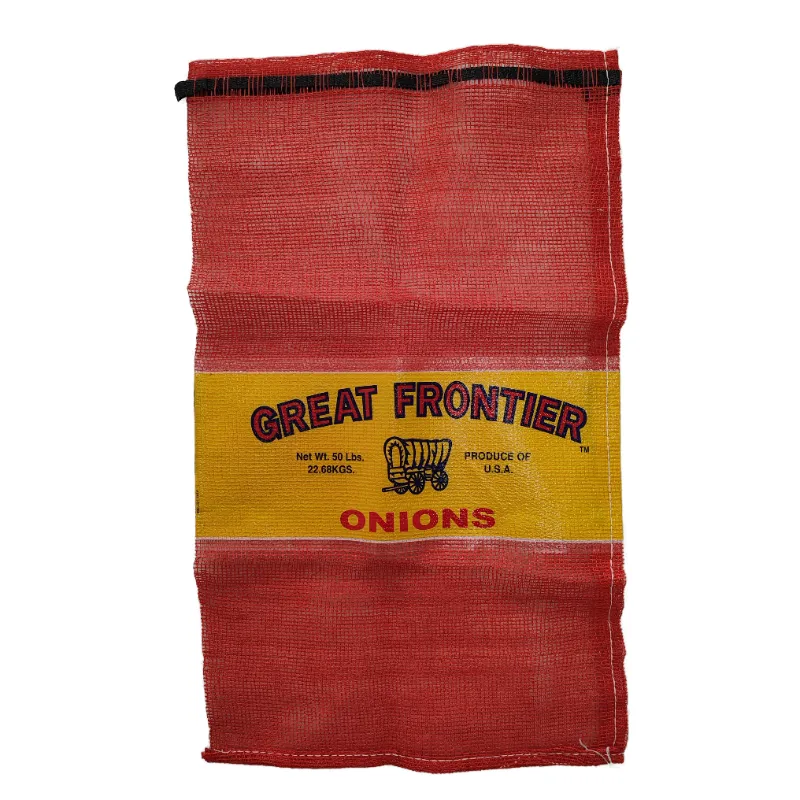
What makes leno mesh bags special is how they're woven together. The fibers get twisted during manufacturing which creates something both tough and bendy at the same time. Because of this design, air can actually pass through them, so there's no chance of trapped moisture building up inside. That's why farmers love using these bags when packing things like apples, leafy greens, or any kind of fresh goods that need good ventilation. Plus, the open mesh lets anyone see right into what's inside without having to open the bag first. Most often, manufacturers go with polypropylene material since it's light on weight but still holds up well over time. This means companies save money on shipping expenses while still getting reliable containers that last through storage periods and transportation across different environments.
Comparison to Raschel and Tubular Mesh Bags
Looking at leno mesh bags next to raschel and tubular mesh options reveals some pretty significant distinctions. Raschel mesh bags are usually knitted products, while leno mesh stands out because it just doesn't tear as easily and holds up better under stress. That makes leno mesh particularly good for items that need sturdy packaging without extra bulk. Tubular mesh has its own look with that circular shape, but they don't breathe like leno does. This matters a lot for things that go bad quickly since poor airflow can lead to spoilage problems. The weight difference is another factor too. Raschel tends to weigh more and isn't as see through compared to leno's light weight and transparency features. Food processors especially appreciate being able to see what's inside packages during handling operations. For manufacturers across different sectors from agriculture to retail, knowing all these specifics helps pick the right bag type depending on what exactly needs packaging.
Key Features Enhancing Visibility and Ventilation
Open-Weave Design for Optimal Airflow
Leno mesh bags with their open weave construction really help improve air circulation around packed goods, something that keeps things fresh much longer. Fresh fruits and veggies need good airflow to stay in top condition without getting spoiled too quickly. Research indicates that when air moves properly through packaging, mold growth drops about 30 percent, which means products last longer on store shelves. One big plus is how these bags stop moisture from building up inside them. That matters a lot for items that go bad fast, like leafy greens or berries, where even small amounts of dampness can cause problems.
UV-Resistant Materials for Durability
Many leno mesh bags come with UV resistant coatings that really matter when they need to hold up over time, particularly if they're sitting out in the sun all day. The UV protection actually stops the material from breaking down so quickly when exposed to sunlight, meaning these bags stay strong much longer than regular ones would in outside storage situations. Companies that switch to UV treated versions typically see their packaging last around twice as long before needing replacement, cutting down on waste while saving money in the long run. Warehouses and agricultural operations that buy these bags by the pallet find this extra durability pays off big time, both in terms of wallet impact and consistent performance across seasons.
Lightweight Structure and Transparency
Leno mesh bags are light enough to carry around without much hassle, making them easier for suppliers and stores to handle and move around. What makes these bags really stand out though is how transparent they are. When shoppers can actually see what's inside before buying, it builds trust between them and the brand. Retailers have noticed something interesting too products packed in clear containers tend to fly off shelves about 20 percent quicker than those hidden away. And let's not forget about money savings. The fact that these bags don't weigh much means shipping expenses go down, while warehouse staff find themselves able to stack and organize inventory much faster than with heavier alternatives.
Benefits of Leno Mesh Bags in Product Packaging
Preventing Mold with Moisture Control
Leno mesh bags work great at soaking up extra moisture, which stops mold from growing and ruining products. When moisture is kept under control, businesses actually see fewer losses across various sectors. Mold problems can really cut into product quality sometimes knocking things down by around 20 to 30 percent in some cases. The way these bags pull away moisture makes them particularly good for stuff that tends to get damp easily. Think about fresh fruits and vegetables stored in warehouses during humid seasons when condensation becomes a real issue.
360-Degree Product Visibility for Retail
Leno mesh bags let shoppers see right through to what's inside, which makes them really useful for things like farming supplies and grocery stores. People just buy stuff quicker when they can actually see it clearly. Some studies suggest products in transparent packaging move off shelves about 20 percent faster than those hidden away. And looking at retail numbers, around 70% of buying choices happen when someone is standing right there in front of the product. That shows why good packaging matters so much for getting customers to pick one item over another.
Reusability and Sustainability
Leno mesh bags are changing the game when it comes to circular economies because they can be used again and again. The fact that these bags cut down on plastic waste is huge for people who care about the environment. Both regular shoppers and businesses want to look good while doing good, so this kind of packaging hits all the right notes. Companies switching to reusable options like leno mesh actually see around a third drop in their environmental impact according to recent studies. This matters a lot for meeting green targets and keeping up with customers who increasingly prefer products that don't harm the planet.
Applications Across Industries
Agriculture: Fresh Produce Storage (Sacos de Malla)
Leno mesh bags, sometimes called sacos de malla in Spanish speaking regions, have become pretty standard in farming circles for keeping fresh fruits and veggies stored properly. The way these bags are made allows air to circulate around the produce, something that makes all the difference when transporting delicate items across long distances. Farmers notice that their crops stay fresher much longer because the mesh lets excess moisture escape while still protecting against bruising. This means fewer bad apples at market time and less waste overall. For small scale growers especially, being able to keep produce viable for extra days translates directly into better profits since they can sell more before anything starts going bad.
Wholesale Mesh Bags for Bulk Firewood
Leno mesh bags are becoming a go-to solution for packing large quantities of firewood across wholesale operations. What makes these bags stand out? They combine robust construction with good airflow properties that keep woodstock from getting damp. Firewood needs to stay dry if it's going to burn properly, something many warehouse managers know all too well after dealing with wet deliveries. Retailers love these mesh containers because they last longer than cheaper alternatives and cut down on replacement costs over time. Plus, they stack neatly in delivery trucks without collapsing under pressure. Choosing the right packaging material isn't just about looks it affects how smoothly operations run day to day and whether customers come back satisfied with what they receive.
Industrial Uses with White PP Woven Bags
Many industries combine leno mesh bags with white polypropylene woven bags for all sorts of jobs, especially when it comes to storing and moving stuff around. What makes these bags so popular? They're flexible enough to handle rough conditions but strong enough to last through tough environments like construction zones or factory floors. People who actually work with these things day in and day out report that going for better quality mesh bags really cuts down on product damage during transport. And we all know what that means fewer replacements, less waste, and money saved at the end of the month. Companies making this switch aren't just being trendy they're making smart business decisions that protect both their bottom line and the integrity of whatever gets shipped in those bags.
How to Choose the Right Leno Mesh Bag
Size and Weight Capacity Considerations
Picking the right leno mesh bags starts with looking at size and how much weight they can take. If someone wants to pack big stuff like logs or firewood bundles, they need bigger bags made tougher to hold all that weight without tearing. The kind of firewood matters too – hardwood vs softwood makes a difference in what the bag has to withstand. Smaller goods work better in lighter bags though. Think apples, oranges, leafy greens. These don't need super heavy duty mesh but still want something strong enough so nothing gets crushed during transport. Most bag makers list weight limits somewhere on their packaging or website. Distributors who check these numbers before buying usually avoid problems down the road. Nobody wants to deal with broken bags spilling product everywhere, especially when it comes to sharp objects or anything valuable.
Evaluating Ventilation vs. Protection Needs
Picking the correct leno mesh bag usually means finding middle ground between good airflow and proper protection. Fresh produce such as apples or leafy greens needs plenty of ventilation to stay fresh longer on store shelves. Bags with really good breathability work wonders here. But things change when dealing with products needing extra defense against dirt, moisture, or physical damage. Meat processing plants for instance tend to go for heavier duty options since they handle raw materials that must remain uncontaminated during transport. Smart companies assess what each product actually requires before settling on packaging. Some might need maximum airflow, others absolute barrier properties. Getting this right helps businesses deliver quality goods consistently across different markets and conditions.