 EN
EN

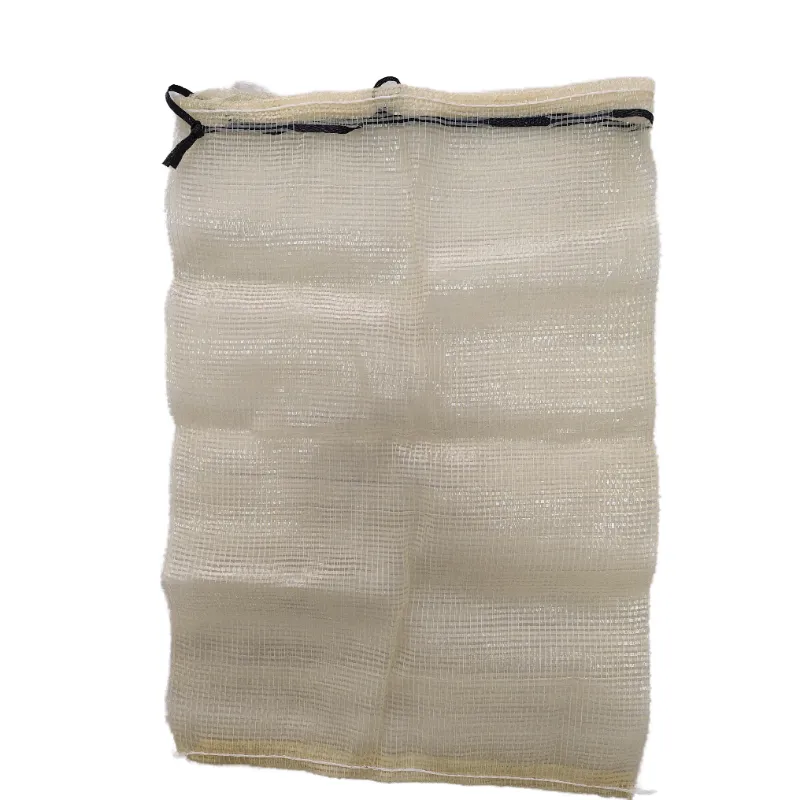
Superior Breathability for Vegetable Freshness
Optimizing Airflow with Leno Mesh Design
Leno mesh bags have gained popularity because of how they're built to let air flow through them, something really important when it comes to keeping veggies fresh. These bags have an open weave structure that lets air move around properly, cutting down on the chances of things going bad from sitting in still air. Some studies show that switching to leno mesh can actually make fruits and vegetables last about 30 percent longer than regular packaging does. The way these bags work means better air movement all around the produce, so greens and other veggies tend to stay crisp and fresh much longer without getting soggy or moldy.
Reducing Moisture Buildup in Tubular Mesh Applications
Tubular mesh bags really help cut down on moisture buildup, which is one of the main reasons fruits and veggies go bad so fast. The special leno weave lets water vapor escape naturally, so produce stays drier for longer periods. Some research indicates these bags can actually lower internal moisture content around 25% better than regular packaging options. When vegetables stay drier, their quality remains intact much longer, plus they keep that fresh, crunchy texture people love. For grocery stores and farmers looking to reduce waste, switching to tubular mesh makes sense because managing moisture effectively means fewer spoiled products ending up in landfills.
Extending Shelf Life Compared to Solid Packaging
Leno mesh bags really do help vegetables stay fresh much longer because they let air circulate better than regular packaging does. Studies show veggies kept in this breathable mesh tend to last about half again as long as when packed in plastic or other solid materials. The extra time before spoilage means less food gets thrown away, so these mesh bags make sense from an environmental standpoint too. Farmers markets and grocery stores have noticed how little waste there is with leno mesh packaging. Produce stays crisp and edible for customers, which cuts down on losses for businesses while also helping reduce overall food waste across the supply chain.
Durability and Cost-Effectiveness
High-Strength PP Woven Material Benefits
Leno mesh bags get their toughness from high strength polypropylene woven materials that stand up pretty well to tearing and puncturing. What makes these materials so great is they pack a lot of strength without adding much weight at all. Retail stores and wholesale distributors find this combination really handy across different situations. Because these bags last longer before needing replacement, companies end up spending less money replacing them month after month. For small businesses especially, the cost savings add up fast when compared to cheaper alternatives that need constant replenishment. Many warehouse managers have noticed how switching to these durable options cuts down on both material waste and long term expenses related to packaging needs.
Reusable Capabilities for Wholesale Operations
Leno mesh bags can be reused multiple times, making them pretty economical for businesses buying in bulk. Wholesalers who set up bag return programs often see major savings on packaging costs over time. Some real world data indicates these reusable bags cut expenses by around 40 percent compared to regular plastic alternatives, which is why many distributors are switching to them. Beyond just saving money though, there's another angle here worth mentioning. These mesh bags actually help companies meet sustainability goals while still keeping operational budgets intact, something that's becoming increasingly important across the supply chain sector right now.
Reduced Waste vs. Single-Use Alternatives
Switching to leno mesh bags makes good sense for cutting down on waste compared to those one time use packaging options we see everywhere these days. Companies that go this route report around 60 percent less packaging going into landfills according to recent studies from environmental groups tracking such things. Beyond saving money on materials though, businesses find their customers appreciate the effort to be greener. Many shoppers now actively seek out companies that care about planet friendly operations rather than just chasing profits. Going with mesh isn't just about numbers on a spreadsheet it represents real commitment to sustainability something that's becoming more important as governments push harder against plastic pollution across multiple industries.
Sustainable Packaging Solution
Recyclable Leno Bags vs. Plastic Sacos de Malla
Leno bags present a greener option compared to those regular plastic mesh bags we see everywhere, so they're actually better for the environment when it comes to packaging stuff. Companies are starting to notice that people really care about where their products come from these days. Take a look at recent market research studies showing how brands using eco-friendly materials tend to gain customer loyalty because shoppers appreciate companies thinking about planet earth. When businesses switch over to recyclable leno bags instead of traditional ones made from petroleum based plastics, they get two benefits at once. First off, they meet what customers want nowadays. Second, they help cut down on all that plastic trash ending up in landfills across the country.
Biodegradable Options in Mesh Bag Market
Biodegradable leno bags have become a real game changer for mesh packaging on store shelves lately. Unlike regular plastic alternatives, these eco versions break down naturally in just a few months rather than sitting in landfills for centuries. That means less waste buildup and better support for businesses trying to go green. According to various market research reports, around seven out of ten shoppers actually prefer buying items wrapped or bagged in something that will eventually disappear without leaving a mess behind. For retailers looking to stand out from competitors, switching to these degradable mesh solutions not only meets growing customer demands but also aligns with corporate social responsibility goals many companies now prioritize as part of their overall brand strategy.
Aligning with Global Eco-Packaging Trends
The rise of leno mesh bags fits right into today's push for greener packaging options around the world. Many businesses looking to boost their green credentials are turning to this mesh technology as governments tighten rules about what companies can put into landfills. According to recent market reports, the eco-packaging sector is growing at around 5.7% each year, which means companies that wait might fall behind competitors who already switched. Brands that incorporate these mesh bags into their product lines aren't just following trends they're actually building better relationships with customers who care about sustainability while cutting costs in the long run thanks to reusable materials.
Customization for Brand Impact
Color Options for White PP Woven Variants
When it comes to white PP woven bags, giving customers multiple color choices helps companies cut through the noise in today's crowded marketplace. Creative packaging design isn't just about looking good it actually makes a difference when shoppers pick between similar products on store shelves. Studies have shown colors affect how people feel about products, sometimes even changing what they think about quality or price. Take blue for instance it often makes things seem trustworthy while red tends to grab attention faster. So when manufacturers offer different colors, they're doing more than just making their brand look better. These options help build lasting relationships with customers who start associating specific colors with particular brands over time, which ultimately leads to repeat purchases and better bottom line results.
Printing on Raschel Mesh for Retail Appeal
Printing custom branding onto raschel mesh bags really boosts how visible a brand is at stores. Retailers notice this when customers pick up these bags and see the logo or design while shopping. The experience becomes something people remember instead of just grabbing whatever bag is available. Research points to something interesting too – good branding on packaging helps shoppers remember products later, sometimes as much as 80% better according to some studies. When companies put distinctive artwork or their logo on mesh bags, it gives them an advantage over competitors. These branded bags catch attention on shelves and make products stand out. Shoppers tend to engage more with items they recognize, which naturally leads to more purchases happening at checkout.
Tailored Sizes for Diverse Produce Needs
Adjusting leno bag sizes to fit different fruits and vegetables meets real world needs across the produce spectrum while making them more practical and attractive for customers. When bags come in various dimensions, they pack better on shelves and in delivery trucks. Apples need bigger space than berries after all. Proper sizing means fewer damaged goods during transport and less material going to landfills. Some companies report cutting down shipping expenses by around 20% when they start offering multiple bag sizes. The flexibility definitely makes shoppers happier since they get exactly what works for their purchases. Plus it streamlines operations behind the scenes, showing brands genuinely care about solving problems their customers actually face day to day.
For more details on our customizable options for mesh bags, including white PP woven bags and raschel mesh bag printing, please visit the PP Woven Bag or the Raschel Mesh Bag For Vegetables & Fruits sections.
Automation Compatibility & Efficiency
Integration with High-Speed Bagging Systems
Leno mesh bags work really well with those fast moving bagging systems out there, which means better efficiency all around for operations. When companies integrate them into their packaging lines, they typically see things speed up quite a bit while saving money on manual labor costs too. Some studies point to automation improvements around 30% or so when using this kind of mesh material. That's why many manufacturers are turning to leno mesh options these days. What makes these bags stand out is how adaptable they are across different production scales. Whether a business needs to ramp up output during peak seasons or just wants more flexibility day to day, leno mesh can handle it without much hassle.
INTEC Bagger Compatibility in Large Facilities
Large manufacturing plants often rely on INTEC bagging systems because they work so well with leno mesh bags, which really helps speed things up on the production line. When these two components are used together, the whole operation becomes much smoother. Workers spend less time dealing with bag issues and more time actually producing goods. According to some recent studies from packaging industry analysts, facilities using this combination typically see around 15% better throughput rates compared to those with standard equipment. For companies looking to grow without sacrificing quality, investing in such systems makes good sense both operationally and financially. Plus, products coming off the line tend to maintain consistent quality standards throughout the process.
Reducing Labor Costs Through Streamlined Processes
Leno mesh packaging and bagging systems offer smart ways for manufacturers to slash their labor expenses. When businesses implement these automated solutions, many report reductions in manual work requirements around 20-25%, though results vary depending on existing workflows. Faster processing times mean products move through facilities quicker, which translates directly into better productivity numbers across the board. What's really interesting is how this frees up capital that would otherwise go toward staffing. Companies often reinvest those savings into research and development or expand into new markets while still maintaining their output levels. For food processors and textile manufacturers especially, the return on investment from automation typically pays off within 18-24 months according to industry benchmarks.