 EN
EN

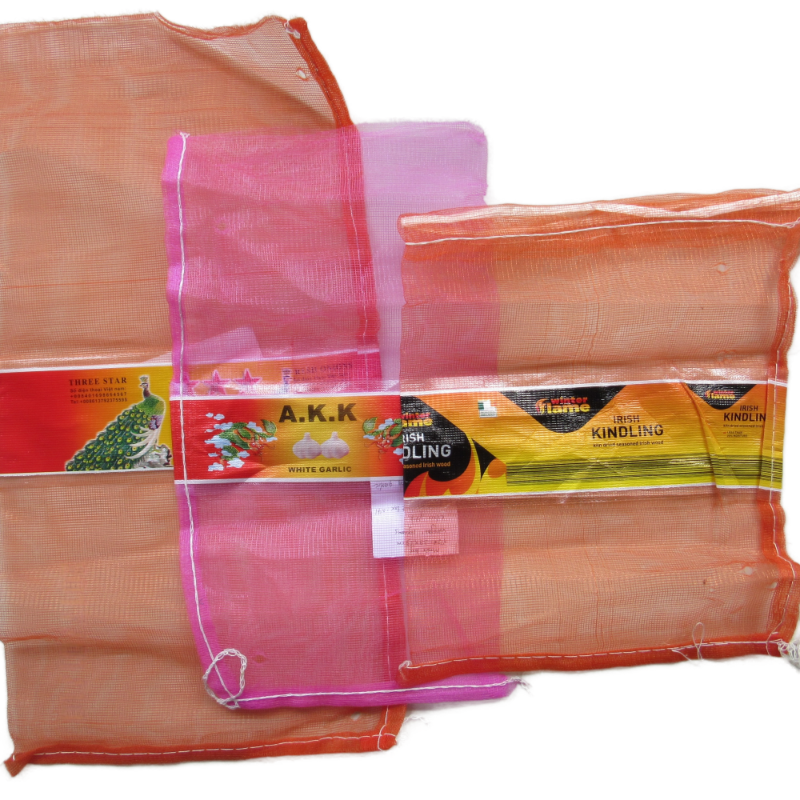
In the global agricultural supply chain, packaging plays a pivotal role in preserving product quality, reducing transportation losses, and enhancing market competitiveness. Among various packaging solutions, mesh bags have emerged as a preferred choice for agricultural product packaging, and this preference is closely linked to their unique performance and adaptability to diverse agricultural scenarios. Zaozhuang Jindalai Plastics Co., Ltd., with over 20 years of experience in manufacturing plastic packaging bags, has been dedicated to optimizing mesh bag products—including Leno mesh bags, Raschel mesh bags, monofilament net bags, and extruded net bags—to better meet the packaging needs of vegetables, fruits, firewood, and grain.
1. Superior Breathability: A Core Advantage for Fresh Agricultural Products
Freshness is the lifeline of agricultural products like vegetables and fruits. Poor ventilation in packaging can lead to moisture accumulation, mold growth, and rapid spoilage. Mesh bags address this pain point perfectly through their distinctive porous structure.
The evenly distributed holes in Leno mesh bags and Raschel mesh bags allow air to circulate freely between the interior and exterior of the bags. This not only maintains a stable humidity level around the products but also dissipates the heat generated by respiration—effectively extending the shelf life of fresh produce. For example, when packaging tomatoes or green peppers, Leno mesh bags prevent the buildup of ethylene gas, which is a key factor in accelerating ripening. Jindalai Plastics has optimized the hole size of its mesh bags based on years of market research: larger holes for bulky fruits like watermelons to ensure maximum ventilation, and smaller, denser holes for delicate vegetables like spinach to avoid mechanical damage while retaining breathability.
2. Excellent Durability: Adapting to Harsh Agricultural Logistics
Agricultural products often undergo complex logistics processes, including field harvesting, long-distance transportation, and warehouse stacking. This requires packaging to have sufficient tensile strength and wear resistance. Mesh bags produced by Jindalai Plastics, made from high-quality polypropylene (PP) materials, excel in durability.
Monofilament net bags and extruded net bags, in particular, have high breaking strength—they can withstand the weight of heavy agricultural products such as potatoes and grains without tearing. Compared to traditional paper bags or thin plastic bags, PP mesh bags are more resistant to moisture and UV rays: they do not soften or degrade when exposed to rain during field storage, nor do they become brittle under long-term sunlight. This durability significantly reduces packaging waste and product loss during logistics. For instance, in large-scale grain storage, Jindalai’s extruded net bags can be stacked up to 5 layers high without deformation, maximizing warehouse space utilization while protecting the grain from external contamination.
3. Customizability and Market Adaptability: Meeting Diverse Needs
The diversity of agricultural products—from small berries to large pumpkins, from perishable greens to durable firewood—demands flexible packaging solutions. Mesh bags offer strong customizability, a feature that Jindalai Plastics has fully leveraged to serve global customers.
First, in terms of specifications: Jindalai provides mesh bags in various sizes, from 20cm×30cm for small-batch vegetable packaging to 100cm×150cm for bulk firewood packaging. Second, in terms of colors: besides the classic white and transparent options, the company offers colored mesh bags (such as green, orange, and blue) to help customers differentiate product categories or align with brand identities. For example, a European fruit exporter uses Jindalai’s orange Raschel mesh bags for its premium apples, making the products stand out on supermarket shelves. Additionally, the company can add logos, product information, or QR codes to the mesh bags through printing technology—enhancing brand recognition while providing consumers with traceability convenience.
4. Environmental Friendliness: Aligning with Global Sustainable Development Trends
In recent years, with the increasing emphasis on environmental protection worldwide, sustainable packaging has become a key consideration for agricultural enterprises. Mesh bags, especially those made from PP materials, have obvious environmental advantages compared to non-degradable plastic bags.
PP mesh bags produced by Jindalai Plastics are recyclable—after use, they can be processed into new plastic products through professional recycling systems, reducing plastic pollution. Moreover, the company has launched a series of biodegradable mesh bags in response to the needs of eco-conscious markets (such as the European Union and North America). These bags are made from modified PP materials that can degrade naturally in soil within 18-24 months without leaving harmful residues. For agricultural producers aiming to obtain eco-certifications, Jindalai’s biodegradable mesh bags provide a compliant packaging solution that does not compromise on performance.
Conclusion
Mesh bags have become ideal for agricultural product packaging due to their superior breathability, excellent durability, strong customizability, and environmental friendliness. As a leading manufacturer with over 20 years of experience, Zaozhuang Jindalai Plastics Co., Ltd. has continuously optimized its mesh bag products (including Leno mesh bags, Raschel mesh bags, monofilament net bags, and extruded net bags) to meet the diverse needs of global customers. Whether it is preserving the freshness of vegetables, ensuring the safety of grain transportation, or enhancing the market appeal of fruits, mesh bags provide reliable support for the efficient operation of the agricultural supply chain—and Jindalai Plastics will continue to drive innovation in mesh bag technology to contribute to the sustainable development of the global agricultural industry.
Table of Contents
- 1. Superior Breathability: A Core Advantage for Fresh Agricultural Products
- 2. Excellent Durability: Adapting to Harsh Agricultural Logistics
- 3. Customizability and Market Adaptability: Meeting Diverse Needs
- 4. Environmental Friendliness: Aligning with Global Sustainable Development Trends
- Conclusion