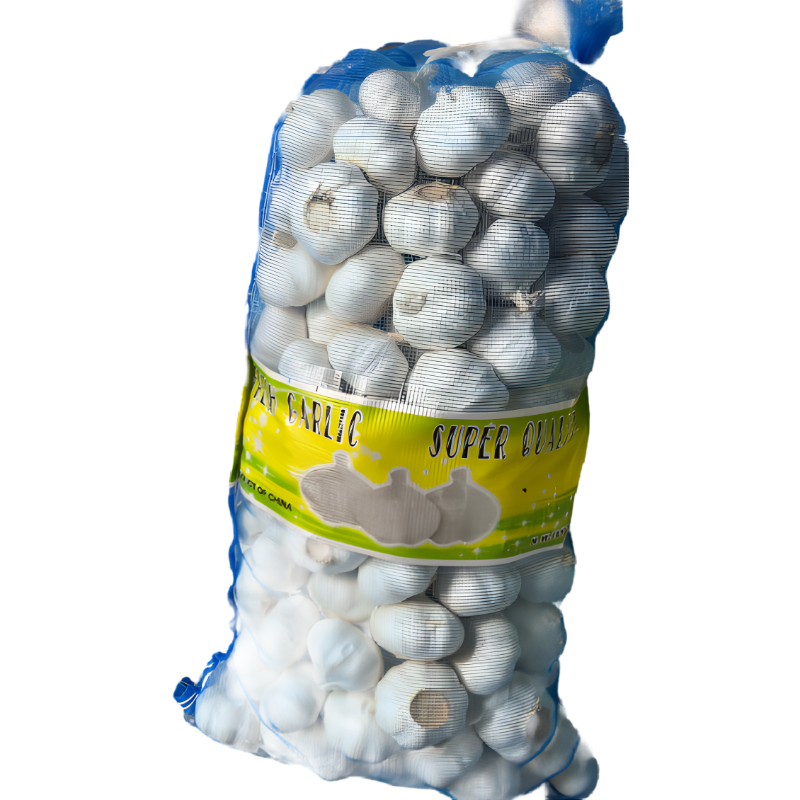
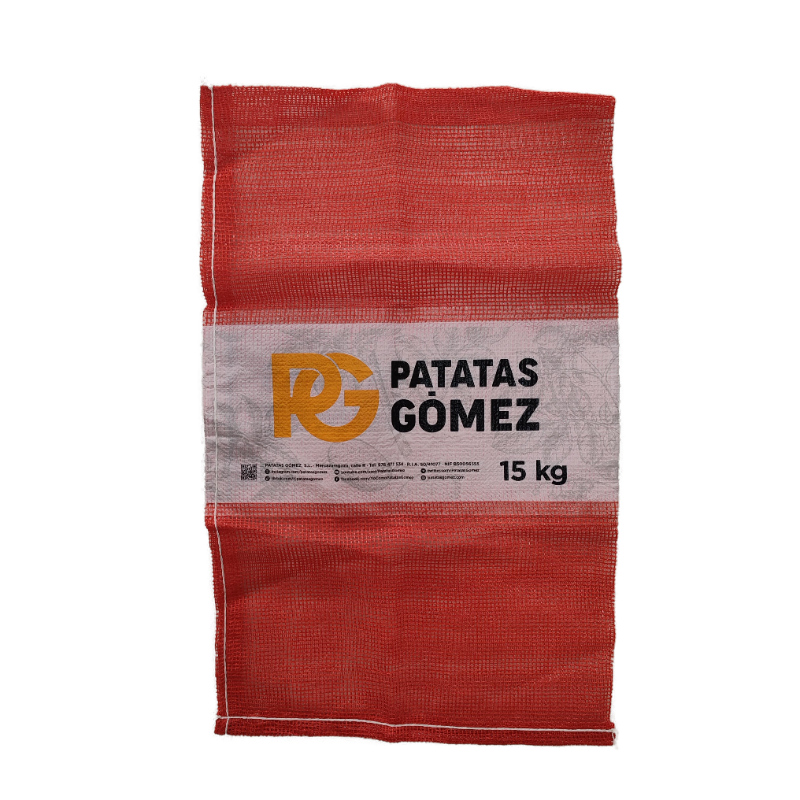
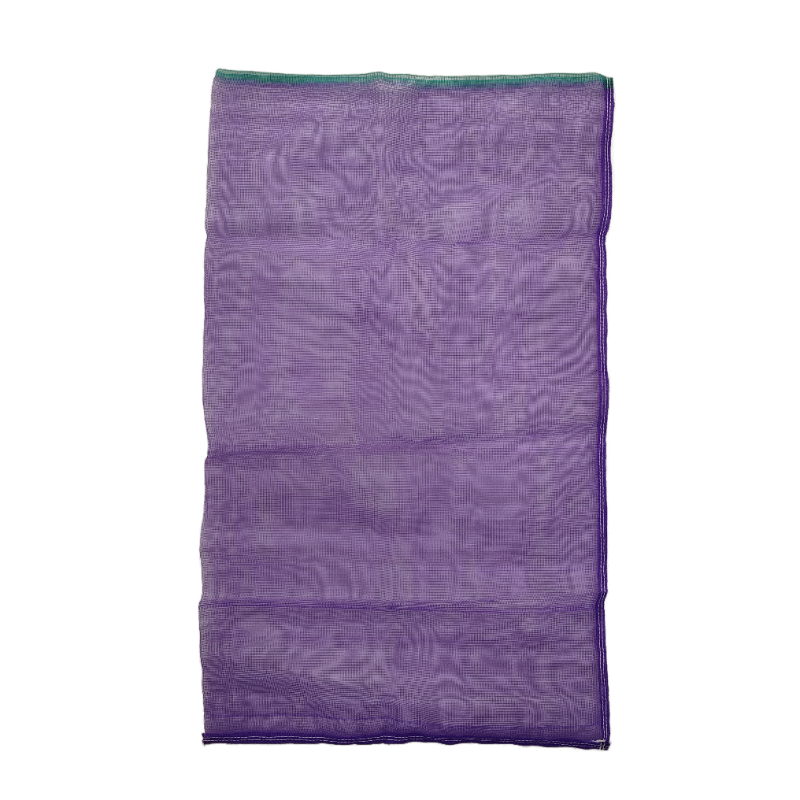
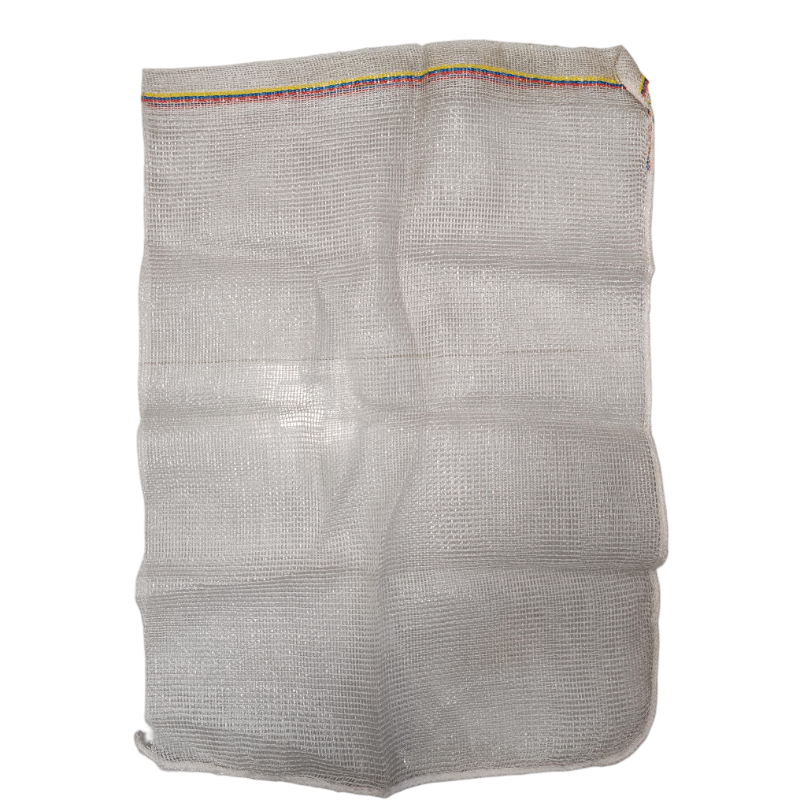
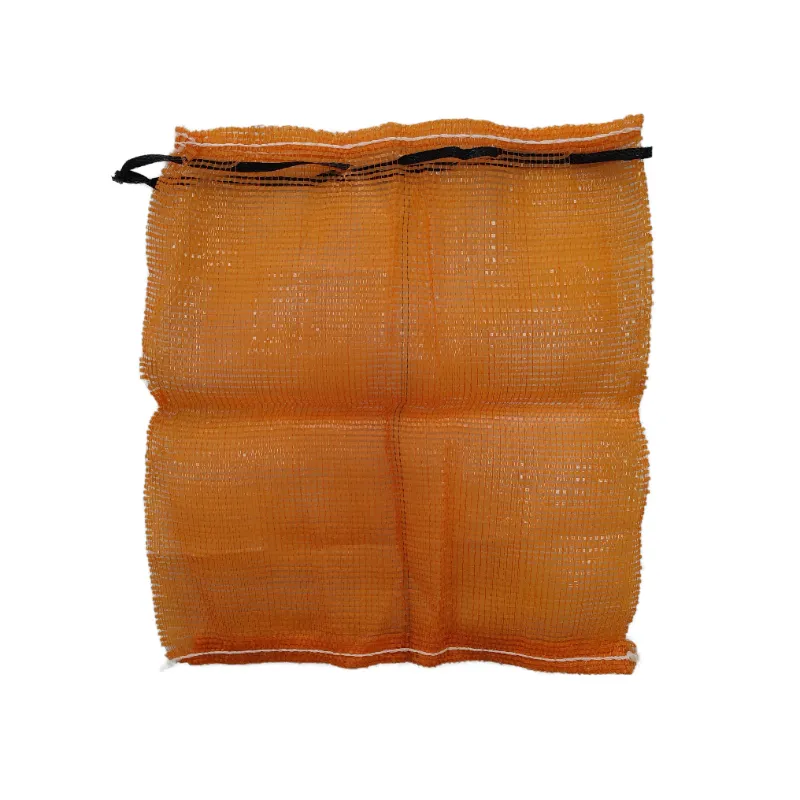
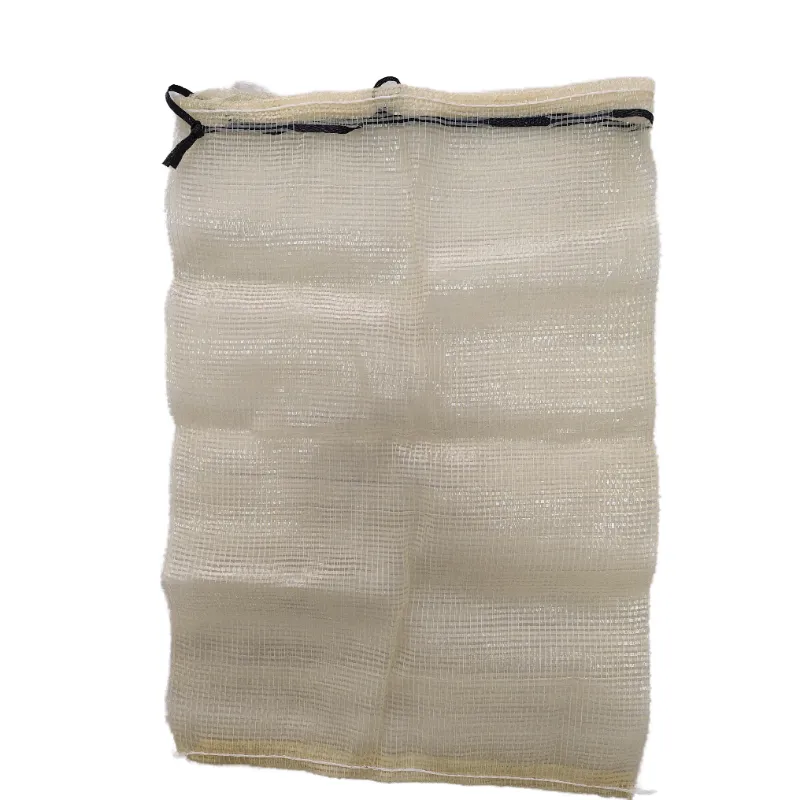
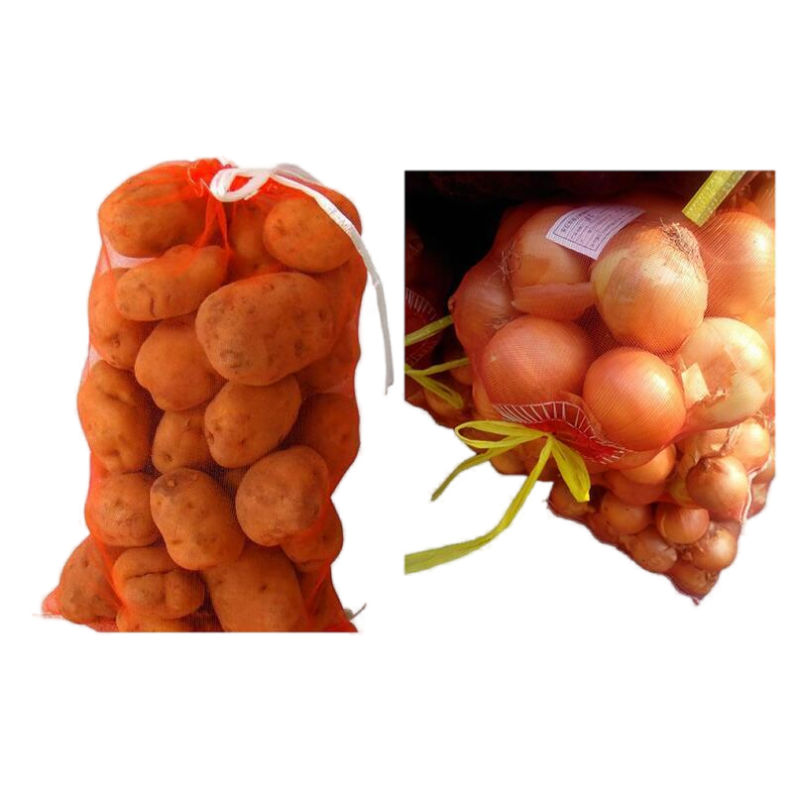
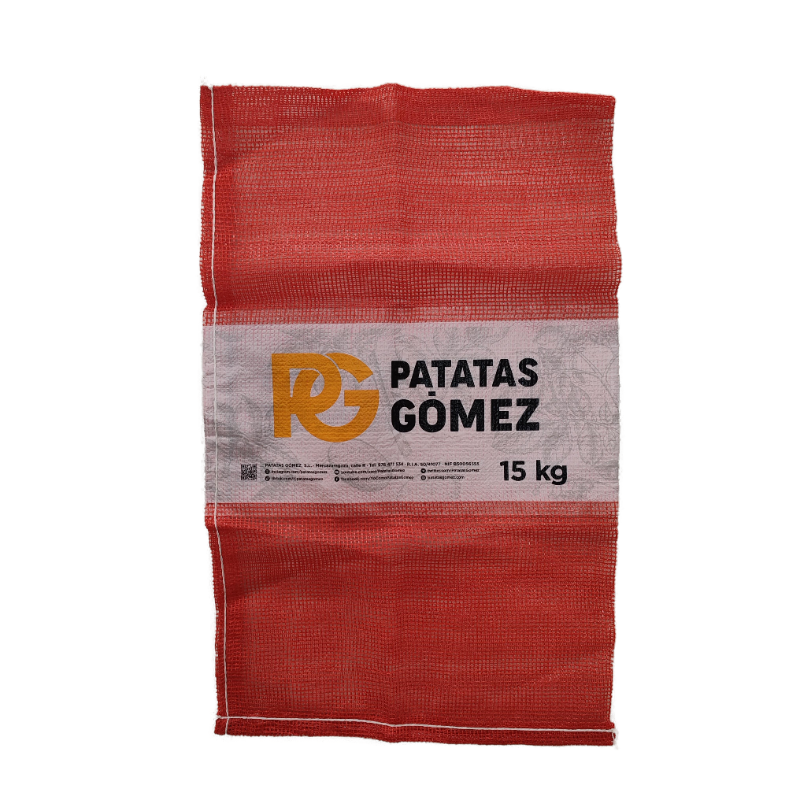
The evolution of the vegetables bag reflects the broader trends in agriculture, technology, and consumer demands over the past half-century. Understanding this history provides context for the sophisticated products available today. In the mid-20th century, vegetable packaging was rudimentary. Produce was often transported in reusable wooden crates, burlap sacks, or simple paper bags. While functional, these materials had significant limitations: wood was heavy and costly to transport empty, burlap offered little protection from bruising and could impart off-flavors, and paper bags had poor wet strength and would disintegrate with moisture. The advent of low-cost, durable plastic films in the 1960s and 1970s revolutionized the industry. The first plastic vegetables bags were simple polyethylene sleeves or sacks. They were a vast improvement in terms of moisture resistance and durability, but they often lacked ventilation, leading to spoilage for many vegetable types. This led to the development of the first perforated plastic vegetables bags, which introduced basic breathability. The 1980s and 1990s saw the rise of specialized mesh bags. The Leno weave, borrowed from the textile industry, was adapted for plastic tapes, creating a vegetables bag that was strong, lightweight, and offered unparalleled ventilation for onions and potatoes. The Raschel knitting technique allowed for the production of even stronger, more elastic mesh bags, suitable for heavier loads. Around the same time, the polypropylene woven vegetables bag became the standard for bulk packaging of grains and harder vegetables, offering a strength-to-weight ratio that was previously unimaginable. The turn of the millennium brought a focus on automation and branding. Vegetables bags were increasingly designed to run on high-speed machinery, and the quality of flexographic printing improved, allowing for vibrant brand graphics. The last decade has been defined by two major trends: sustainability and smart packaging. The development of biodegradable polymers and the use of recycled content have become major R&D drivers. Simultaneously, the integration of traceability codes like QR codes has transformed the simple vegetables bag into an information gateway. From a simple container, the vegetables bag has evolved into a multi-functional, engineered system designed for preservation, efficiency, branding, and sustainability. This evolution continues today, as manufacturers like Zaozhuang Jindalai Plastics Co., Ltd. push the boundaries of what a vegetables bag can be. We are proud to be part of this ongoing innovation story.