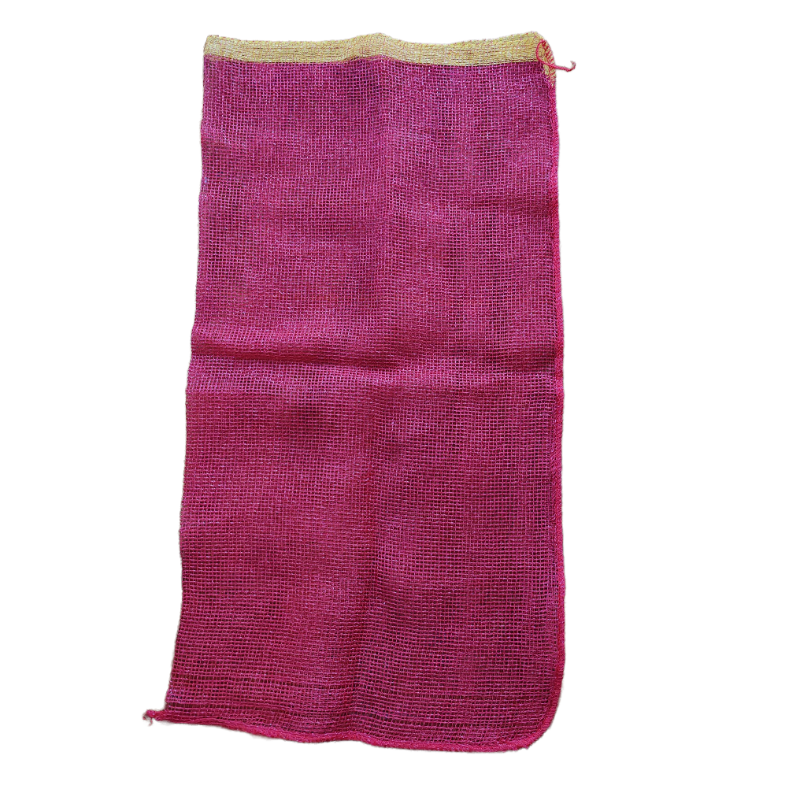
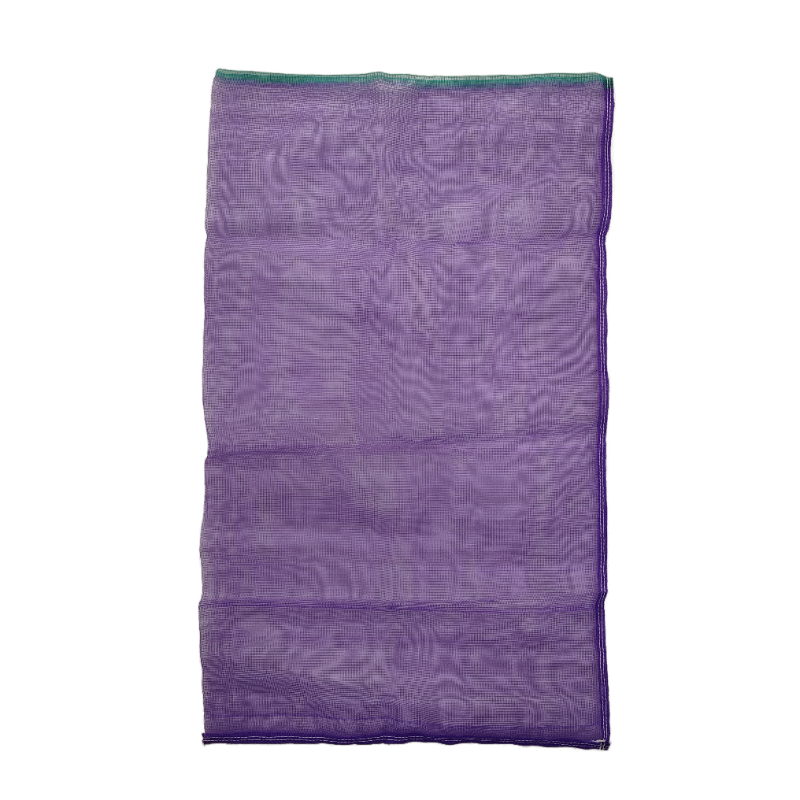
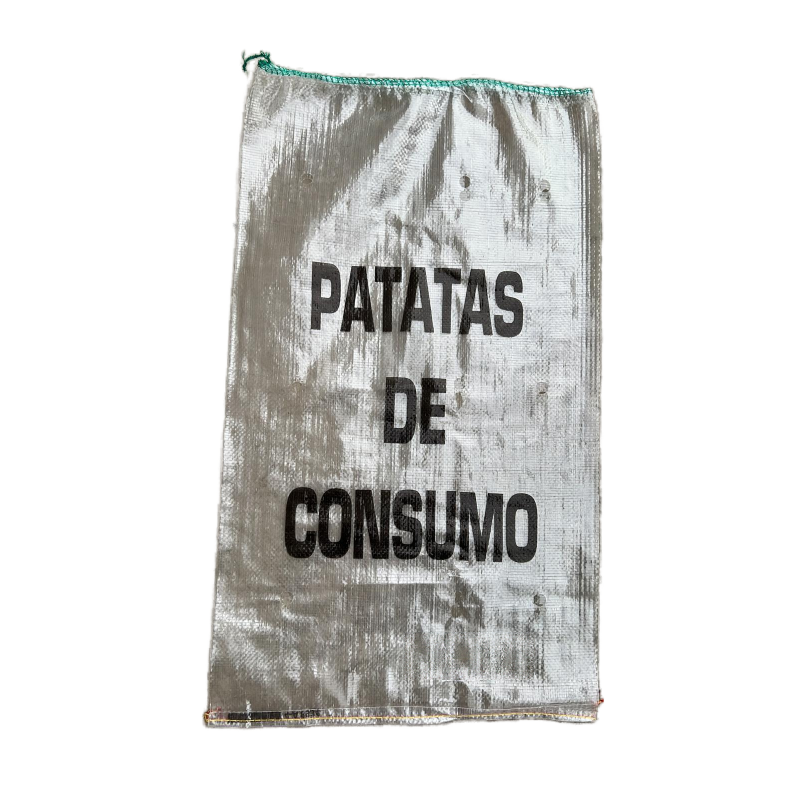
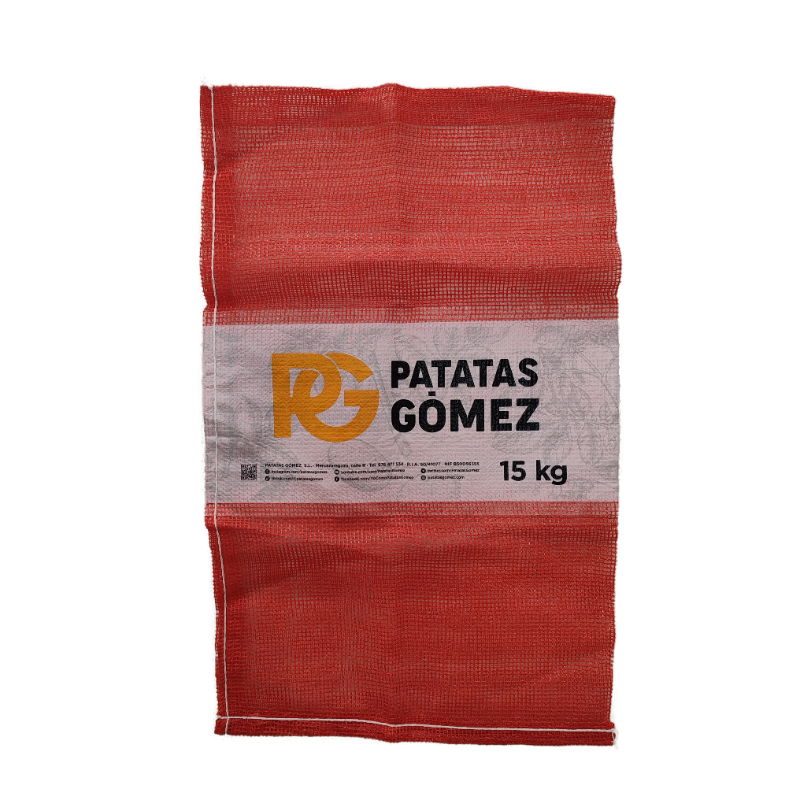
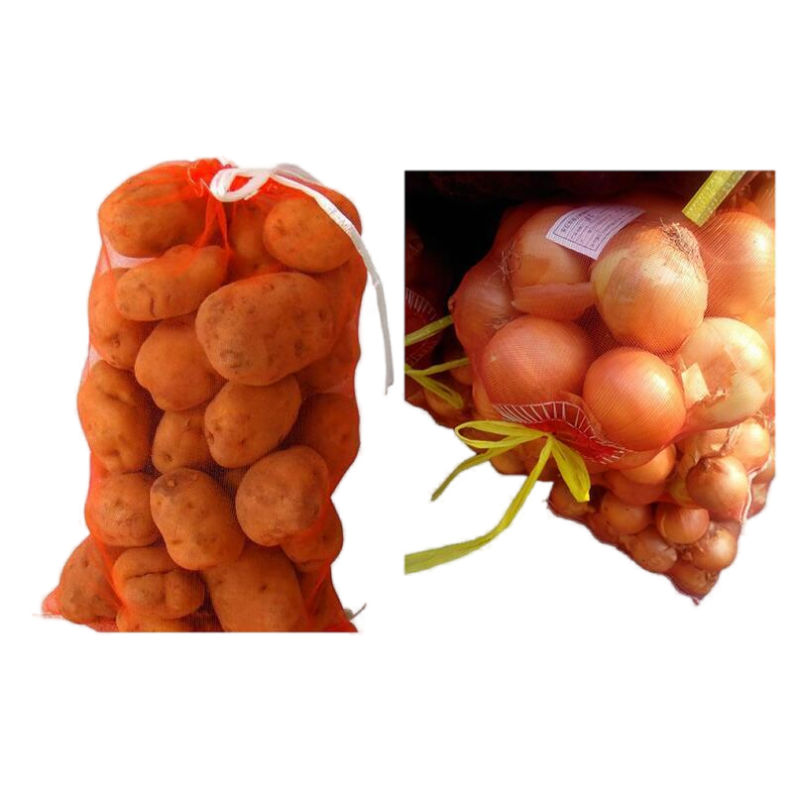
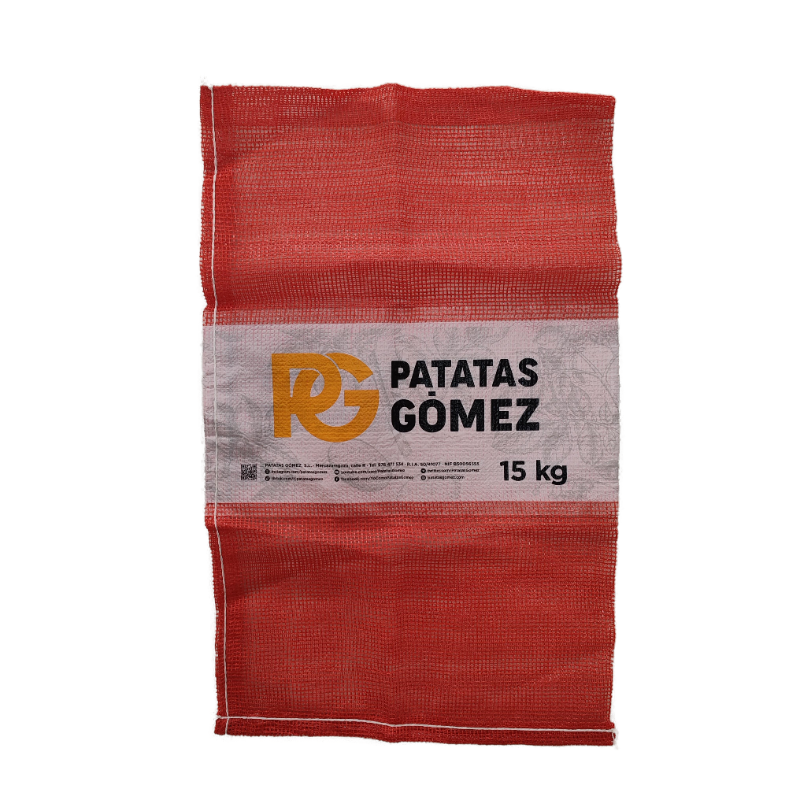
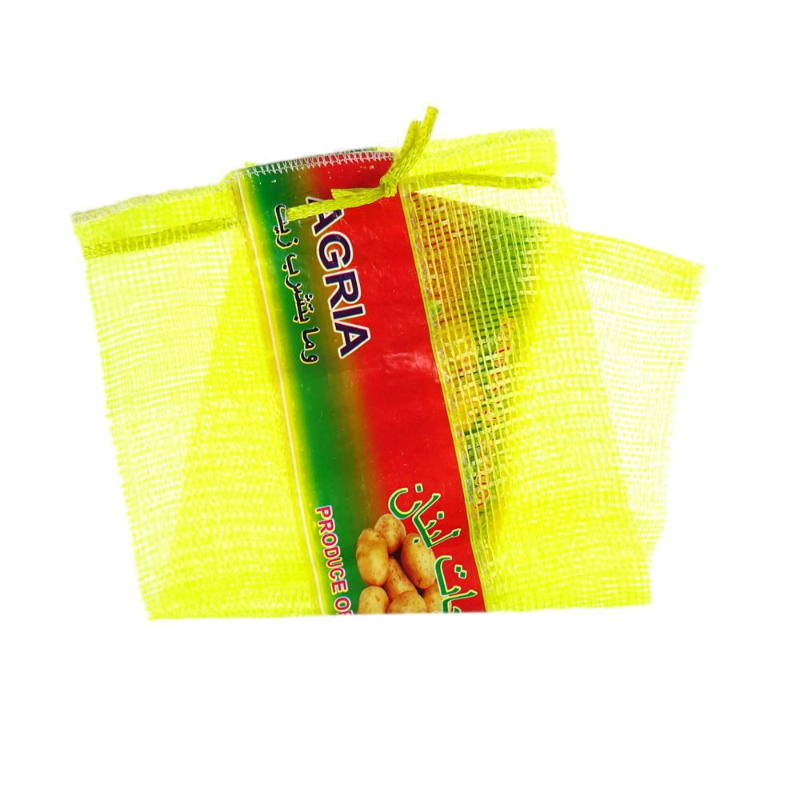
The selection of an appropriate vegetables bag is a technical decision that must be guided by the specific physiological characteristics of the produce it will contain. Different vegetables have vastly different respiration rates, sensitivity to ethylene, and susceptibility to physical damage, all of which dictate the ideal packaging parameters. A one-size-fits-all approach to vegetables bag selection is a recipe for increased waste and reduced quality. For high-respiring vegetables such as broccoli, asparagus, and mushrooms, the primary requirement is a vegetables bag with high gas permeability. Standard plastic films would lead to a rapid buildup of CO2 and depletion of O2, causing off-flavors and anaerobic decay. For these items, a micro-perforated film bag or a very open mesh bag is essential to facilitate rapid gas exchange and prevent the accumulation of respiratory heat and moisture. In contrast, root vegetables like potatoes, onions, and carrots have a much lower respiration rate but are highly susceptible to sprouting and rot in the presence of moisture and ethylene. The ideal vegetables bag for these products is one that provides excellent continuous ventilation, such as a Leno or Raschel mesh bag. This ventilation allows moisture to evaporate and dissipates ethylene, significantly extending storage life. The bag must also be strong enough to contain the considerable weight of these dense products. For leafy greens like lettuce, spinach, and kale, the challenge is moisture retention and protection from physical crushing. A vegetables bag for these items often involves a clear, perforated plastic film that maintains a high-humidity environment around the leaves to prevent wilting, while the perforations prevent condensation. The bag must also be rigid enough to protect the delicate leaves from being crushed under the weight of other bags. Ethylene-producing fruits and vegetables, such as ripe tomatoes or apples, must be carefully considered. If packaged, they require a vegetables bag that allows ethylene to escape, or they risk accelerating the ripening and spoilage of ethylene-sensitive items nearby, even if in separate bags within the same carton. Some advanced vegetables bags now incorporate ethylene-absorbing sachets or materials. Finally, for delicate berries or green beans, a vegetables bag that minimizes abrasion is key. A monofilament net bag or a soft, smooth-sided plastic bag can prevent the bruising and scuffing that dramatically reduces shelf appeal and leads to rapid deterioration. Understanding the science behind produce preservation is fundamental to our product development. We offer a wide range of vegetables bag technologies designed to meet these specific biological needs. To identify the optimal vegetables bag for your specific crop, please provide our technical team with the details of your product and supply chain.