 EN
EN

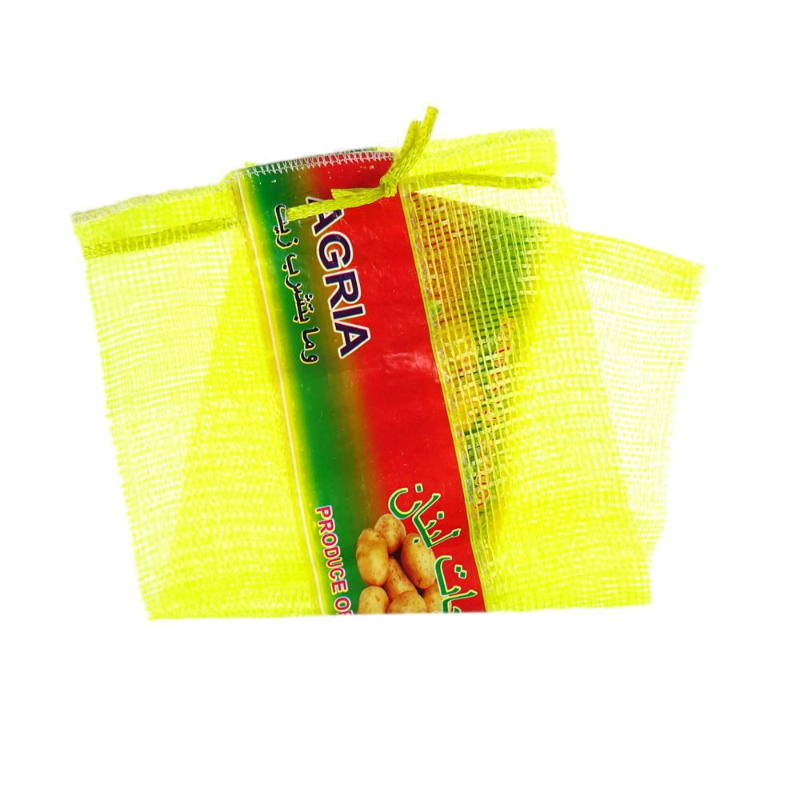
Onions, as a staple agricultural product worldwide, face a critical challenge during transportation: spoilage. This issue not only causes significant economic losses for farmers and distributors but also disrupts the stability of the global agricultural supply chain. However, the solution lies in a specialized packaging tool—onion mesh bags. Zaozhuang Jindalai Plastics Co., Ltd, with over 20 years of experience in manufacturing agricultural plastic packaging, has been dedicated to optimizing onion mesh bags to address this spoilage problem effectively. These bags, tailored for onion storage and transport, have become a game-changer in reducing product waste.
Why Onions Spoil Easily During Transport
Respiration and Moisture Accumulation: Onions continue to respire after harvest, releasing heat and moisture. If packaged in non-breathable materials, moisture accumulates inside the packaging, creating a humid environment that promotes mold growth and rot.
Physical Damage: Onions have a thin outer skin that is easily bruised or punctured during loading, unloading, and transit. Damaged skins break the natural protective barrier, making onions more susceptible to bacterial and fungal infections.
Temperature Sensitivity: Onions are sensitive to temperature fluctuations. Without proper ventilation, the heat generated by respiration cannot escape, leading to localized high temperatures that accelerate spoilage, especially in long-distance transport.
How Onion Mesh Bags Solve Spoilage Issues
Onion mesh bags, developed based on the characteristics of onion transport, address the above problems through targeted design, and Zaozhuang Jindalai Plastics Co., Ltd further enhances their performance by leveraging its expertise in mesh bag manufacturing.
Superior Breathability: The core advantage of onion mesh bags is their excellent ventilation. Made of structures like Leno mesh or Raschel mesh (both are specialized mesh types produced by Jindalai Plastics), the bags feature evenly distributed pores that allow air to circulate freely. This circulation dissipates heat from respiration and releases excess moisture, keeping the internal environment dry and cool—effectively inhibiting mold growth.
Enhanced Durability and Protection: Jindalai’s onion mesh bags are crafted from high-quality materials such as pp (polypropylene), the same material used in its pp woven bags and pp big bags. This material offers strong tensile strength and impact resistance, preventing the bags from tearing during transport and reducing the risk of onion skin damage. The mesh structure also provides a certain degree of flexibility, cushioning shocks from bumps and vibrations.
Customizable Specifications for Different Needs: Recognizing that onion varieties (e.g., yellow onions, red onions) and transport distances vary, Jindalai Plastics offers onion mesh bags in multiple specifications. For short-distance transport of small-batch onions, lightweight monofilament net bags are ideal; for long-distance sea or land transport of large quantities, thicker extruded net bags or knitted tubular net bags (both are Jindalai’s flagship mesh products) provide better load-bearing capacity. Additionally, the bags come in various colors to meet customer branding or market differentiation needs—without affecting their functional performance.
Real-World Application of Jindalai’s Onion Mesh Bags
A major agricultural distributor in Southeast Asia once faced a 15%-20% onion spoilage rate during long-distance transport. After switching to Jindalai’s customized onion mesh bags (Raschel mesh structure, medium thickness), the spoilage rate dropped to less than 5%. The distributor reported that the bags’ ventilation kept onions dry, and their durability withstood the rigors of cross-border transport. This case demonstrates how high-quality onion mesh bags directly improve the efficiency of the agricultural supply chain.
How to Choose the Right Onion Mesh Bag
When selecting onion mesh bags, consider the following factors to maximize their anti-spoilage effect:
Match the Mesh Type to Transport Scenarios: For short-distance, low-load transport, choose Leno mesh or monofilament net bags for cost-effectiveness; for long-distance, heavy-load transport, opt for Raschel mesh or extruded net bags for better durability.
Check Material Quality: Ensure the bags are made of food-grade, non-toxic pp material to avoid chemical contamination of onions—a standard strictly followed by Jindalai Plastics in all its products.
Consider Capacity and Size: Select bag sizes based on the weight of onion batches (e.g., 5kg, 10kg, 20kg) to prevent overpacking, which can cause onion crushing, or underpacking, which leads to unnecessary movement and friction.
Conclusion
Onion mesh bags are not just ordinary packaging; they are a critical tool for preserving onion quality and reducing transport losses. With over 20 years of experience, Zaozhuang Jindalai Plastics Co., Ltd has refined onion mesh bags into high-performance products that combine breathability, durability, and customization—meeting the diverse needs of global customers. For farmers, distributors, and retailers looking to solve onion spoilage issues, choosing the right onion mesh bag (such as those produced by Jindalai) is an investment that yields long-term economic benefits and supports a more sustainable agricultural supply chain.