 EN
EN

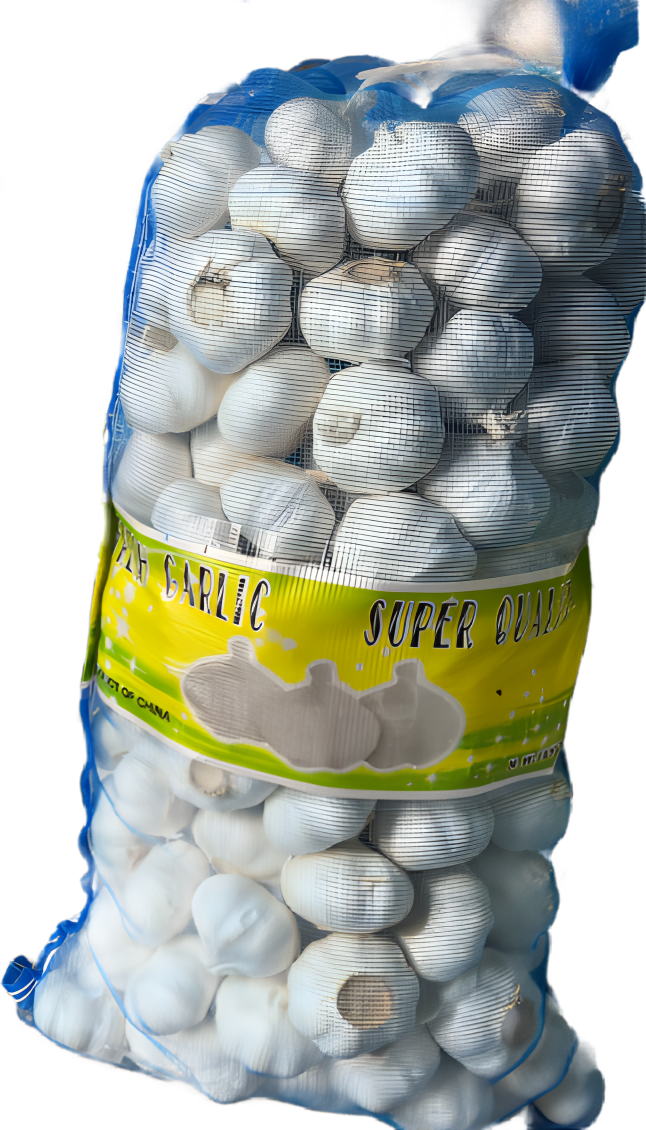
In the global agricultural supply chain, preserving the freshness of fruits and vegetables from harvest to consumers’ hands has always been a core challenge for farmers, distributors, and retailers. Poor packaging can lead to rapid decay, nutrient loss, and significant economic losses. Among various agricultural packaging solutions, the Leno Mesh Bag stands out as a cost-effective and efficient option. Zaozhuang Jindalai Plastics Co., Ltd, a leading manufacturer with over 20 years of experience in agricultural plastic packaging, has been optimizing the design and production of Leno Mesh Bags to address the fresh-keeping needs of different produce. This article will delve into the scientific principles behind how Leno Mesh Bags extend the shelf life of fruits and vegetables, and why they have become a preferred choice in the agricultural industry.
1. Excellent Breathability: Reducing Ethylene Accumulation
One of the key reasons Leno Mesh Bags keep produce fresh is their outstanding breathability, which is determined by their unique weaving structure. Unlike sealed plastic bags that trap air, Leno Mesh Bags are made of interlaced plastic threads, forming small, evenly distributed gaps. This structure allows air to circulate freely between the inside and outside of the bag.
Fruits and vegetables (such as tomatoes, apples, and green peppers) release ethylene gas during storage. Ethylene is a plant hormone that accelerates ripening and decay. The breathability of Leno Mesh Bags enables ethylene to escape quickly, preventing excessive accumulation inside the bag and slowing down the ripening process.
Adequate air circulation also helps maintain balanced oxygen and carbon dioxide levels. Without proper ventilation, produce would consume oxygen and release carbon dioxide, creating an anaerobic environment that promotes the growth of mold and bacteria. Leno Mesh Bags avoid this problem by ensuring continuous gas exchange.
2. Translucent Design: Controlling Light Exposure
Most Leno Mesh Bags have a translucent appearance, which is not just for aesthetic purposes but also plays a vital role in fresh-keeping. Different produce has varying sensitivity to light; for example, leafy greens (like spinach and lettuce) are prone to wilting and nutrient loss when exposed to strong light, while some fruits (like bananas) require moderate light to maintain quality.
The translucent material of Leno Mesh Bags filters out intense sunlight, reducing the damage caused by ultraviolet (UV) rays. UV rays can break down chlorophyll in produce, leading to yellowing and loss of freshness.
At the same time, the mesh structure allows a small amount of diffused light to enter the bag, which helps maintain the normal metabolic activities of produce without triggering excessive photosynthesis. This balance ensures that produce retains its color, texture, and nutritional value for a longer period.
3. Mechanical Protection: Preventing Physical Damage
Physical damage (such as bruising, crushing, or scratching) is a major cause of produce decay. Once the outer skin of fruits or vegetables is damaged, microorganisms can easily invade, leading to rapid rot. Leno Mesh Bags provide effective mechanical protection through their sturdy structure.
Zaozhuang Jindalai Plastics Co., Ltd uses high-quality polypropylene (PP) materials to produce Leno Mesh Bags, which have good tensile strength and impact resistance. The woven structure distributes the pressure evenly when the bag is stacked or transported, reducing the risk of crushing.
The mesh gaps also prevent produce from sticking together. When produce is packed in tight, non-breathable bags, moisture can accumulate between them, causing mold growth. Leno Mesh Bags keep each piece of produce relatively independent, minimizing friction and moisture buildup.
4. Moisture Regulation: Maintaining Optimal Humidity
Moisture control is another critical factor in produce fresh-keeping. Too much moisture can lead to mold growth, while too little moisture causes produce to wilt and lose weight. Leno Mesh Bags strike a balance between retaining necessary moisture and preventing excess humidity.
The breathable structure of Leno Mesh Bags allows excess moisture (released by produce through transpiration) to evaporate, avoiding the formation of a damp environment inside the bag. This is particularly important for produce with high water content, such as cucumbers and strawberries.
For produce that requires higher humidity (like carrots and potatoes), Leno Mesh Bags can be used in combination with a thin, moisture-retaining inner layer (a design option offered by Zaozhuang Jindalai Plastics Co., Ltd). This combination ensures that the produce stays hydrated without being exposed to excessive moisture.
Conclusion
The Leno Mesh Bag is not just a simple packaging product; it is a result of combining material science, agricultural physiology, and packaging engineering. Its ability to extend produce shelf life lies in its excellent breathability, rational light control, reliable mechanical protection, and effective moisture regulation. As a professional manufacturer with over 20 years of experience, Zaozhuang Jindalai Plastics Co., Ltd continues to optimize Leno Mesh Bags (along with other agricultural packaging products like Raschel mesh bags and PP woven bags) to meet the diverse needs of global customers. Whether for packaging vegetables, fruits, or grains, Leno Mesh Bags have proven to be a practical and efficient solution, contributing to reducing food waste and improving the efficiency of the agricultural supply chain.