 EN
EN

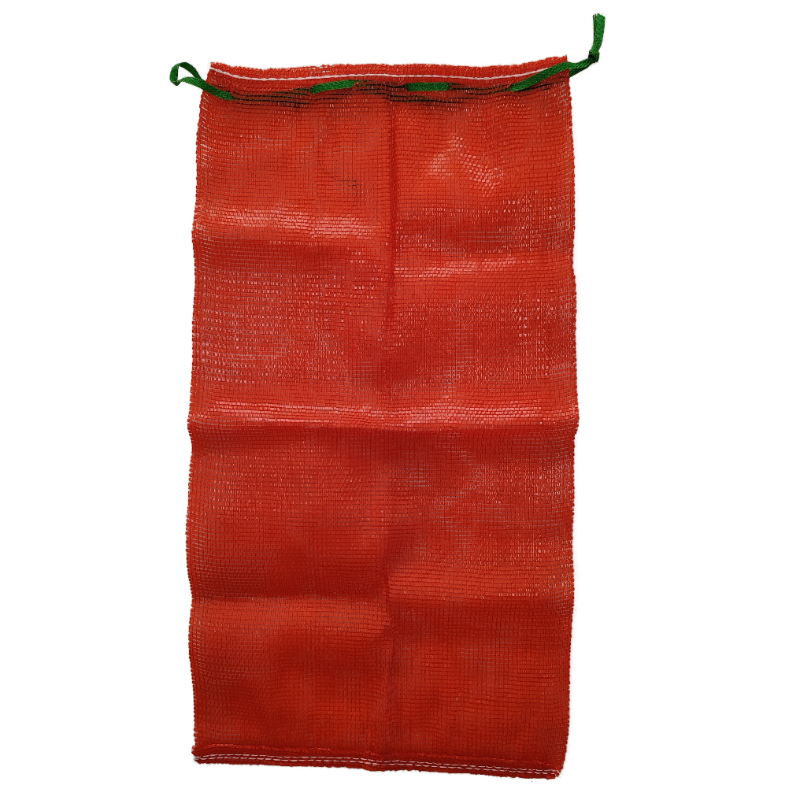
Key Features of PP Circular Leno Mesh Bags
Optimal Ventilation and Airflow
PP Circular Leno Mesh Bags are meticulously crafted to enhance ventilation and airflow, key factors in preventing spoilage and ensuring the freshness of onions during storage and transportation. The unique mesh structure facilitates consistent air circulation, which is essential for prolonging the shelf life of produce. In fact, studies indicate that proper air movement can extend the shelf life by up to 30%, making these bags indispensable for anyone in the onion packaging sector. Additionally, this ventilation feature is crucial in preventing moisture buildup, thus reducing the risk of mold and decay—a vital consideration for food supply chain businesses looking to optimize their operations.
Enhanced Durability for Heavy Loads
These bags are made from high-quality polypropylene, offering the necessary strength to support heavy loads, making them perfect for wholesale mesh bag requirements. PP bags possess a tensile strength that surpasses traditional packaging options, ensuring resilience and reliability during rigorous transportation without tearing. According to research, their durability allows for multiple reuses, significantly decreasing packaging costs for businesses and contributing to efficient logistics. It’s clear that PP Circular Leno Mesh Bags provide a robust solution that combines strength and cost-effectiveness, attracting those who seek durability in onion packaging.
Secure Drawstring Closures
PP Circular Leno Mesh Bags come equipped with secure drawstring closures, providing a reliable method to protect contents from spillage. This effective closure system enhances user convenience by allowing rapid and secure packing and unpacking of onions. A study from packaging experts highlighted the importance of drawstring closures, noting their role in reducing losses in the supply chain due to accidental opening or product spillage. By choosing bags with drawstring closures, businesses can ensure the efficient handling and transportation of onions, enhancing overall operational safety and reliability.
For more detailed information or to inquire further, you can explore our offerings for PP Circular Leno Mesh Bags which showcase these features, tailored for optimal onion packaging solutions.
PP vs. HDPE: Choosing the Right Material
Longevity of Polypropylene (PP)
Polypropylene (PP) bags stand out for their longevity, making them a favored choice for onion packaging. These bags resist UV degradation and adverse environmental factors, ensuring durability. Studies indicate that under standard conditions, PP bags can maintain their integrity for up to five years, which is a considerable improvement over other materials. This extended lifespan is not only economically beneficial by reducing the frequency of purchases but also supports sustainable practices through higher recyclability rates, aligning with modern environmental goals in packaging.
Flexibility of High-Density Polyethylene (HDPE)
High-Density Polyethylene (HDPE) bags offer significant flexibility, especially beneficial for specific loading and unloading scenarios. While less durable than PP, HDPE bags are effective for certain cases, notably where less demanding transport requirements are evident. They can adapt to various shapes and can be compactly stored, making them suitable for applications where space and weight efficiency are crucial. Businesses must assess their specific needs; in situations where flexibility is paramount, HDPE's attributes provide a practical solution for onion packaging.
Advantages Over Traditional Packaging Options
Superior Breathability vs. Raschel Mesh Bags
PP circular leno mesh bags outperform traditional Raschel mesh bags by providing enhanced breathability, which is crucial for perishable products like onions. Research reveals that traditional Raschel bags can trap moisture, leading to quicker spoilage, whereas PP bags allow for consistent airflow. This breathability aspect not only helps retain onion quality but also minimizes losses due to spoilage, translating to cost savings. Using PP mesh bags, businesses can reduce product waste and maintain freshness during transportation, confirming their advantage over Raschel mesh bags.
Cost Savings Compared to Jute or Cardboard
When comparing costs, PP mesh bags are significantly cheaper than jute or cardboard options, providing substantial savings for businesses involved in onion packing. A comparative industry analysis suggests that switching to PP can reduce packaging costs by up to 25%, allowing more budget for logistics or marketing. Additionally, the durability and reusability of PP bags lead to further cost savings over time due to lower replacement rates. Not only do these bags offer financial advantages, but their resistance to wear and tear ensures prolonged usability, making them a smart choice for cost-conscious businesses.
Sustainable Storage and Transport Practices
Maintaining Freshness During Shipping
Utilizing PP circular leno mesh bags during transportation ensures optimal conditions for freshness due to their breathable structure. This design prevents moisture buildup, which is crucial for maintaining the quality of perishable goods like onions. Numerous case studies highlight how such packaging sustains post-harvest quality effectively, extending the marketable lifespan of produce by up to 15%. By aligning with modern sustainability goals, these practices reduce waste and deliver higher-quality produce to consumers. The extended shelf life benefits retailers and wholesalers alike, making PP circular leno mesh bags a smart choice for onion packaging.
Reusability and Environmental Impact
PP mesh bags are crafted for multiple uses, significantly lowering the environmental burden compared to single-use plastic or paper models. Environmental studies indicate that reusing these bags can cut greenhouse gas emissions tied to production and disposal by as much as 30%. By implementing a system for bag return and reuse, businesses can further enhance sustainability while appealing to eco-conscious consumers. Such initiatives not only reduce the environmental footprint but also resonate with rising consumer demand for sustainable practices in packaging solutions.