 EN
EN

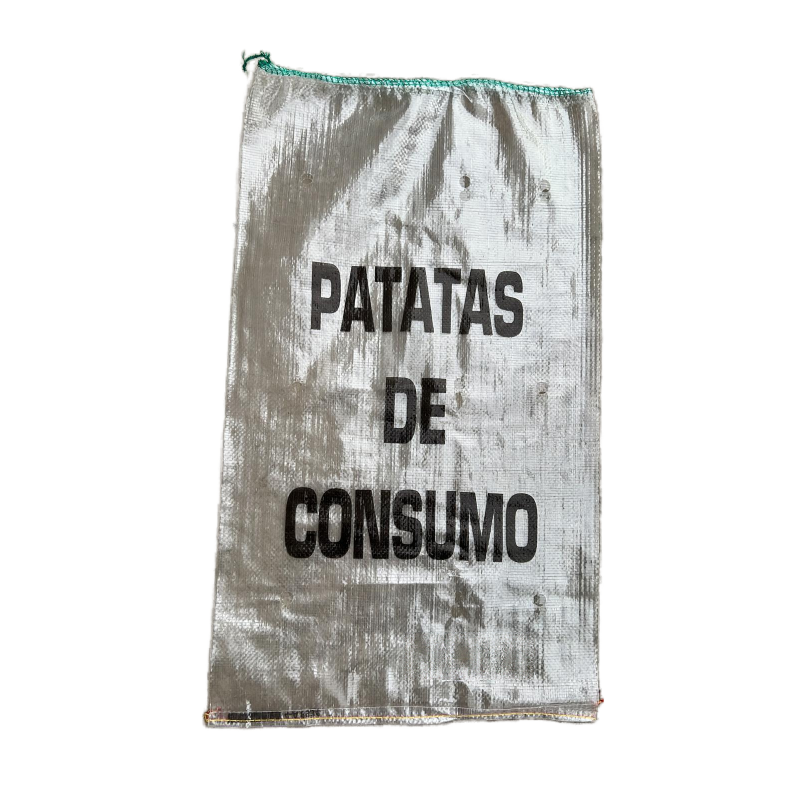
Types of 25 KG Potato Packaging Materials
Raschel Mesh Bags: Ventilation and Durability
Raschel mesh bags were made with breathability in mind, which is really important when it comes to keeping potatoes fresh. The mesh allows air to circulate properly so moisture doesn't build up inside, something that can cause potatoes to rot pretty quickly if left unchecked. These bags are constructed from high density polyethylene material, making them tough enough to handle rough handling during shipping without ripping or getting holes. Farmers have found this especially helpful because damaged packaging means lost product. What makes these bags stand out though is how they regulate both temperature and humidity naturally within their weave pattern. This helps keep potatoes tasting good for much longer periods than traditional storage methods would allow.
Learn more about Raschel Mesh Bags.
PP Woven Bags: Strength and Cost-Effectiveness
PP woven bags stand out because they can handle serious weight without tearing, which makes them great for packing potatoes that need to stay secure during transport. Farmers and suppliers love these bags since they don't break the bank and hold up against rain, dust, and other stuff that might damage the crop sitting inside. Plus, the fact that these bags aren't heavy themselves means less money spent on transportation when moving large quantities from farm to market. Most people in the business will tell you that switching to PP woven bags gives everyone involved a solid solution that doesn't drain resources while keeping those potatoes fresh until they reach consumers' tables.
Discover more about PP Woven Bags.
Leno Bags for Bulk Storage and Airflow
Leno bags have this distinctive mesh pattern that lets air flow through pretty freely while still protecting whatever's inside from getting crushed or damaged. The design works really well for keeping potatoes fresh because they need to breathe to avoid turning into mushy messes over time. Most suppliers stock these bags in different sizes too, so whether someone needs to store a small batch or handle large quantities at once, there's usually an option that fits. Farmers and warehouse managers tend to prefer Leno bags when moving or storing spuds since they help maintain quality without taking up too much space.
Explore Leno Bags for more options.
Jute and Recyclable Options: Eco-Friendly Solutions
Jute bags are becoming a go to solution for sustainability because they break down completely in nature, cutting down on all that plastic trash we see from regular packaging these days. Jute itself is pretty tough stuff which works great when moving around things like potatoes during harvest season, plus it has some built in protection against microbes naturally. More and more shoppers want their purchases wrapped in something that won't end up in landfills forever, so companies switching to reusable or compostable materials tend to get noticed in markets where green credentials matter. When businesses choose environmentally friendly packaging options, they show they care about planet health while still keeping products fresh and safe throughout shipping and storage processes.
Find out more about Eco-Friendly Packaging Options.
Key Factors in Choosing Potato Packaging
Ventilation Requirements for Freshness
Ventilation matters a lot when choosing how to package potatoes if we want them to stay fresh longer. Good airflow lets the spuds breathe properly so they don't get damp inside, which causes them to rot faster. The right amount of air circulation also keeps things from getting too hot inside the bag, helping preserve their texture and taste over time. When storing large quantities, farmers and distributors need to go for packaging materials that actually allow proper breathing room. Mesh bags made from raschel or leno weave work pretty well for this purpose, though many growers swear by these types after years of trial and error with different storage solutions.
Durability for Transport and Handling
When it comes to picking potato packaging, durability should be at the top of the list because these spuds need to survive all sorts of transportation and handling. Throughout their journey from farm to store, packages face plenty of challenges including rough treatment during loading/unloading and being stacked on pallets for long periods. This kind of stress really impacts how fresh the potatoes stay. Going with tough materials such as those PP woven bags makes a big difference in reducing losses. We've seen farms lose up to 15% of their crop just from damaged packaging over time. The right packaging keeps potatoes looking good on store shelves, which means happier customers who get what they paid for without surprises like bruised tubers hidden inside torn bags.
Compliance with Industry Standards (ISO, EU Directives)
Getting potato packaging up to speed with industry standards such as ISO certifications and EU regulations matters a lot when selling products domestically or overseas. These guidelines set minimum requirements for food safety and product quality that shoppers notice and appreciate. For many companies, meeting these regulatory requirements isn't just good practice but often mandatory if they want access to key markets abroad. That makes following packaging standards essential not only for legal reasons but also for building credibility in new territories where brand recognition counts heavily toward success.
Sustainable Packaging Solutions
Recyclable Paper and Wholesale Mesh Bags
Switching to recyclable paper and buying wholesale mesh bags represents progress toward greener ways of packaging potatoes. The good news is these alternatives do double duty they keep potatoes safe during shipping and resonate with shoppers who care about the planet, cutting down on waste since the materials can go back into circulation or get recycled again. Recyclable paper works great for keeping products intact when moving them around, and let's face it, nobody wants bruised spuds. For folks dealing with large quantities, wholesale mesh bags like raschel mesh varieties make financial sense without breaking the bank. What makes mesh bags so appealing? They hit that sweet spot where saving money meets doing right by the environment. When companies pick packaging that stands up to daily wear and tear yet still leaves a lighter footprint on Earth, everyone wins in the long run.
Reusing Materials: Innovations from Used Potato Chips Lines
Packaging innovation often comes from unexpected places like old potato chip manufacturing equipment. Companies are finding ways to take what would normally be discarded material and turn it into something useful for packaging products. The process saves money while also cutting down on waste going to landfills. These kinds of creative solutions fit right into what we call closed loop systems. Think about it this way: when potato processors start using their own leftover materials for packaging instead of buying new stuff, they're creating a circular economy within their own operations. This kind of thinking isn't just good for the planet either. More and more consumers want to know their purchases aren't contributing to environmental problems, so businesses that adopt these practices tend to see better customer loyalty over time.
Biodegradable and Compostable Alternatives
The rise of biodegradable and compostable packaging represents a real breakthrough when it comes to dealing with organic waste problems. Unlike regular plastic packaging that sits in landfills for decades, these new materials break down naturally over time, cutting down on trash mountains while helping protect our planet. Market research shows that more and more shoppers actually want to buy products wrapped in something they can toss into their backyard compost pile instead of sending to landfills. For food companies, switching to these greener options makes business sense too since customers increasingly look for eco-conscious brands when making purchases. We're seeing this change happen particularly fast in the potato chip sector where major snack manufacturers have started replacing traditional plastic bags with compostable alternatives as part of broader corporate sustainability initiatives aimed at shrinking their overall impact on the environment.
Best Practices for Storage and Transport
Optimal Temperature and Humidity Conditions
Keeping potatoes at just the right temperature and moisture level makes all the difference when it comes to how long they stay fresh during storage and shipping. Most potato growers find that keeping them around 7 to 10 degrees Celsius with about 95% humidity cuts down on rotting by roughly 30%. Farmers who have tried this method report fewer shriveled tubers and much less sprouting problems, which means better quality potatoes overall. When businesses stick to these storage guidelines, they actually see their products last longer on store shelves. This not only saves money from wasted stock but also keeps customers coming back because the potatoes still taste good even after weeks in transit.
Stacking Techniques for Logistics Efficiency
Getting the stacking right makes all the difference when it comes to moving potatoes efficiently through warehouses and onto trucks. When done properly, stacking saves valuable space inside transport vehicles so that more tubers can travel at once without overcrowding. The way boxes are arranged also helps protect against damage during long hauls because stable loads distribute weight evenly across the cargo area. Logistics managers who adopt good stacking methods typically see lower expenses while keeping their produce looking fresh since bruised potatoes mean wasted product and lost revenue. Plus, this kind of efficient handling supports greener operations overall as companies make better use of available resources throughout their distribution networks.
Monitoring Spoilage and Rot Prevention
Getting those advanced monitoring systems up and running makes all the difference when it comes to catching potato spoilage early on. The best ones keep an eye on everything from temps to moisture levels and even what gases are floating around in storage rooms, so problems get spotted before they become big issues. Most farms find that messing with air flow or setting up controlled atmosphere storage works wonders too for keeping things fresh longer. When companies actually pay attention to these details instead of just hoping for the best, they end up saving money because fewer potatoes go bad while sitting around waiting to be shipped out. And let's face it, nobody wants to eat mushy spuds anyway. Good quality control means happy customers and smoother operations across the board.