 EN
EN

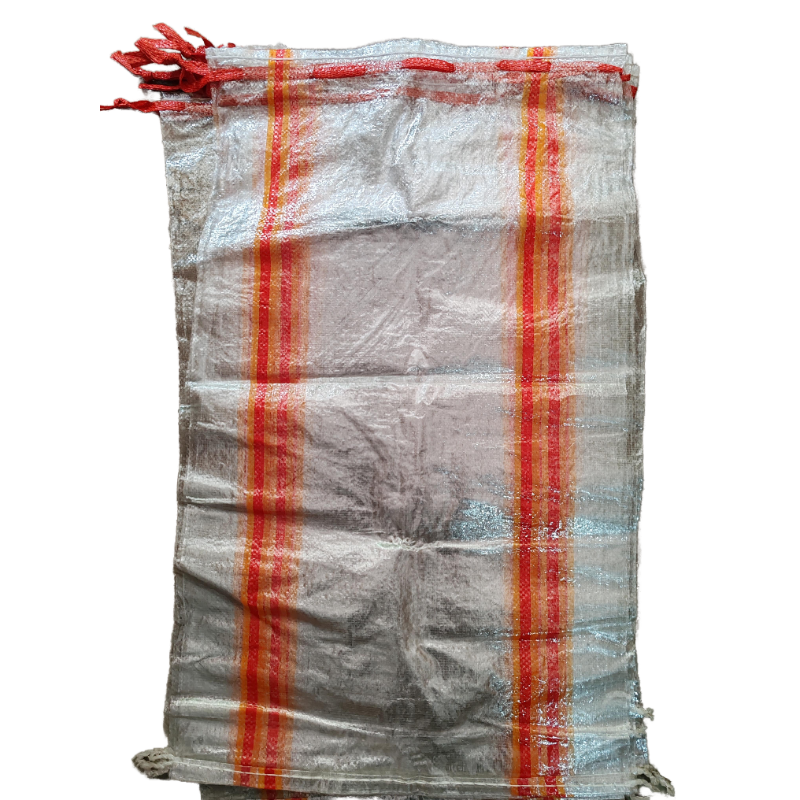
What Are Transparent PP Bags?
Material Composition and Manufacturing Process
Clear PP bags come from polypropylene, which is basically a plastic that's both see through and pretty tough stuff. Making them begins when small building blocks called propylene monomers get joined together in a chemical reaction, resulting in something strong but still bendy enough for all sorts of uses around town. Once made, the polypropylene gets broken down into little granules, heated up until molten, and pressed into thin layers or films. After that comes extrusion, which helps maintain consistent thickness across the entire surface while making sure those bags won't tear easily during handling. What many people don't realize is that polypropylene doesn't contain harmful substances, so it's actually considered safe for wrapping foods like snacks or frozen items, meeting strict guidelines set by authorities including the FDA. And here's another plus point worth mentioning the production process itself consumes significantly less energy compared to manufacturing alternatives like PET or PVC, which makes it a better choice for companies wanting to cut their environmental impact without sacrificing quality.
Differentiation from Other Plastic Bags (e.g., Cello Bags)
PP transparent bags stand apart from regular plastic bags like cellophane ones because of how they're made. PP bags just don't bend as easily and hold up better when exposed to different conditions outside. Cello bags on the other hand break more readily when compared side by side. Their firmness actually works well for storing things properly and keeping packages intact during transport. What's interesting about these PP bags is how clear they stay, so companies can put brand logos right on them without hiding what's inside the package. These materials handle heat much better than most alternatives too, plus they let fewer gases pass through which helps keep contents fresh longer. For anyone looking at packaging options across many industries, these characteristics make PP bags pretty popular. Marketers sometimes refer to them as plastic t shirt bags in campaigns, highlighting why customers might prefer them over other types for both lasting power and being able to see clearly what's packaged inside.
Key Benefits of Transparent PP Bags
Enhanced Visibility for Quality Assurance
Clear PP bags let people see right through them so shoppers and retailers can check out what's inside without having to open anything up first. This transparency really matters when it comes to making sure products are good quality and haven't been tampered with. When folks can actually see their stuff, they tend to trust the brand more and often think the product is worth more money too something that makes all the difference in tight markets where everyone's fighting for attention. Take supermarkets as a case in point. Those transparent plastic bags hanging on display racks let customers pick out ripe fruits or veggies at a glance instead of guessing based on labels alone. No one wants to buy something that looks wilted or bruised after all.
Durability and Moisture Resistance
PP bags are known for being tough and long lasting. They resist punctures and tears, so stuff stays protected when moving around or getting shipped somewhere. These plastic bags also keep out moisture, making them great for keeping food fresh, storing clothes without mildew problems, and protecting items that get damaged by dampness. Factory folks often talk about how these bags hold up under rough treatment, which is why they show up everywhere from warehouses to grocery stores. The fact that they don't break down easily means whatever goes inside stays in good condition longer, something that matters a lot for businesses dealing with perishable products or delicate materials.
Cost-Effective Protection for Bulk Storage
PP bags made from transparent polypropylene help lower storage expenses because they're so light yet hold plenty inside without making shipments too heavy. These bags stand up well when stacked on top of each other in warehouses, saving valuable floor space while keeping products safe during transport. Companies across various sectors report less damage to goods stored in these bags compared to alternatives, which means fewer losses over time. For food processors and retailers especially, this translates into real money saved at month's end. Many warehouse managers have switched to PP bags simply because they work better in practice than traditional options for managing inventory efficiently.
Lightweight Design for Logistics Efficiency
Transparent PP bags are pretty light on their feet, which makes them much easier to move around. Shipping costs drop significantly because they weigh less, and logistics just run smoother overall. Take e-commerce for instance where companies ship thousands of packages daily. Switching to lighter packaging materials cuts down on those freight bills quite a bit. What's more, when these clear plastic bags aren't being used, they take up minimal space. Warehouses love this feature since it means better organization and less clutter. Retailers benefit too as they can store more inventory without needing extra warehouse space. All told, the compact nature of these bags helps streamline operations from start to finish while saving money on both storage and transportation costs across the entire supply chain.
Applications Across Industries
Agricultural Uses: Raschel Mesh Bags for Produce
Farmers rely heavily on raschel mesh bags when it comes to moving and storing their fruits and veggies across the country. What makes these bags so good? Well, they let air flow through while still showing what's inside, which is exactly what many fresh products need to stay from going bad too quickly. Some tests back this up too. A bunch of different studies actually found that using mesh materials cuts down on rotting stuff and keeps things fresh longer because the air gets around better and stops water from building up inside. Plus, these bags bend but don't break easily, so when trucks hit bumps on the road or warehouses stack boxes high, the crops inside usually come out looking just as good as when they started their journey.
Retail Packaging: White PP Woven Bags for Branding
Many stores use white polypropylene woven bags to get their products noticed and build brand recognition. People like them because they work well and can be reused multiple times, which makes them pretty eco friendly. The plastic material lets shop owners slap their logos right onto the bags without much trouble. Customers tend to respond positively when they see branded packaging. Studies show that clean, clearly marked bags actually boost sales since they stand out better on store shelves. Retailers who focus on good design and smart marketing strategies find that these simple bags help strengthen their brand presence and draw in new shoppers looking for recognizable packaging.
Industrial Security: Sacos de Malla for Heavy-Duty Transport
Mesh bags, known as sacos de malla in Spanish, are really important in industrial environments where companies need to move heavy goods without issues. These bags are built tough enough to handle all sorts of rough handling during transport while keeping contents safe and cutting down on lost materials. What makes them work so well? Look at those reinforced seams and extra thick fabric that just won't tear easily even when loaded down with weight. Industry folks have been talking about this for years now, pointing out how much money companies save by switching to these durable transport solutions instead of cheaper alternatives that break down quickly. When less stuff gets damaged during shipping, it means fewer replacement costs and happier customers overall, which is why many warehouses and manufacturing plants rely on mesh bags for their toughest transport jobs day after day.
Sustainability and Market Trends
Recyclability of PP Materials
Polypropylene or PP is becoming increasingly important as a recyclable material that really helps cut down on plastic waste around the world. Some research shows that when communities implement proper recycling programs, they can recover quite a bit of this plastic, cutting back on environmental damage while also helping build what's called a circular economy. Many cities across different countries have started incorporating PP into their waste management systems lately. This trend seems to be making a real difference in reducing how much ends up in landfills and tackling some serious environmental problems that many experts worry about.
Rise of Plastic T-Shirt Bags PLA Alternatives
We're seeing a real uptick in the use of PLA materials instead of regular plastics these days. People are becoming more aware of what happens to their waste, so there's growing demand for greener packaging options across the board. Take those plastic t shirt bags for instance. Now we see versions made from plant based materials popping up everywhere. They work just fine for one time use but leave behind way less environmental damage than standard polypropylene bags. Industry experts predict this trend will only accelerate in stores big and small. As governments crack down harder on disposable plastics through new laws and fines, businesses have little choice but to switch to these alternative materials if they want to stay compliant while still meeting customer expectations.
Global Demand in E-Commerce and Wholesale Markets
E commerce platforms have exploded in popularity worldwide, which explains why there's been such a spike in demand for those lightweight transparent PP bags. Online sellers need something that won't break the bank while keeping their goods safe during shipping. Market studies show pretty clearly that when people shop online more often, they end up needing tougher packaging materials that look good too. Many warehouses now stock up on these polypropylene bags because they work so well for everything from clothing to electronics. Food manufacturers love them just as much as toy companies do, making PP bags a go to solution across practically every industry looking for smart packaging options.