 EN
EN

The Importance of Potato Packaging in Modern Agriculture
Preserving Freshness and Quality During Transit
Potato packaging plays a really important role in keeping these tubers fresh while they travel from farm to market. Good packaging protects against bruising, stops them from drying out too much, and keeps them safe when temperatures swing around. Research shows that proper packaging cuts down on spoilage by roughly 20 percent, which means less food going to waste and better profits for growers. Farmers often turn to materials such as PP Leno mesh bags because they let air circulate properly. This helps prevent moisture buildup inside the bag that would otherwise lead to rotting potatoes. The right packaging makes all the difference between reaching consumers with quality produce or ending up with a load of damaged goods.
Good potato packaging tech has become a must have for farmers and folks who move these tubers around if they want to keep their product top notch. When potatoes get shielded from things like moisture, dirt, and physical damage during transport, they stay in better condition longer. This matters a lot because nobody wants to see shriveled or bruised spuds hitting store shelves. For local grocery stores just as much as for those shipping potatoes overseas, smart packaging makes all the difference in today's food distribution system. Many businesses are finding that investing in proper packaging pays off handsomely when it comes to customer satisfaction and minimizing waste.
Meeting Retailer and Consumer Expectations
The way potatoes get packaged matters a lot for both stores and shoppers these days. Stores keep asking for better packaging options that keep the spuds fresh while looking good on store shelves. People want to see what they're buying these days, so clear bags or boxes that showcase the potatoes tend to catch attention at the grocery store. The numbers back this up too research shows eye-catching packaging can actually increase sales around 30 percent. That makes sense when we think about how important first impressions are when deciding what to put in our shopping carts.
The potato packaging industry needs to keep pace with changing consumer tastes if companies want to stay ahead of the competition. Good packaging must do double duty protecting the spuds while looking attractive on store shelves. When brands get this right, they maintain freshness longer which means fewer spoiled products, plus customers tend to grab what looks appealing. Companies that successfully meet these demands see stronger customer connections over time and naturally expand their share of the market as word spreads about their quality packaging solutions.
For anyone seeking to understand the dynamic intersection between product protection and consumer trends, acknowledging the critical role of innovative potato packaging solutions is essential in maintaining a sustainable and profitable agribusiness.
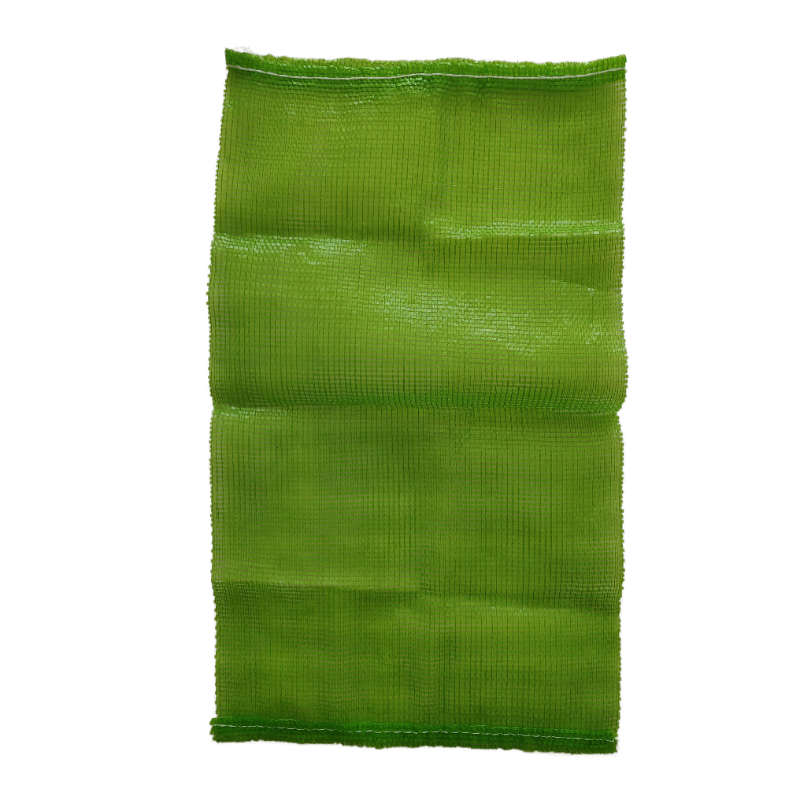
Light Green Tubular PP Leno Mesh Bags: Features and Benefits
Durability and Ventilation Advantages
PP Leno mesh bags have become pretty popular because they're really tough and don't tear easily when moving around. Farmers love them for transporting potatoes since they hold up well even under rough conditions, so fewer potatoes get bruised or damaged along the way. What makes these bags special is their breathable design that lets air circulate through. This airflow helps keep potatoes fresh longer after they're picked. Some studies show that using this kind of ventilated packaging actually keeps potatoes good for about 15% more time than regular storage methods. That means farmers can sell their crops at better prices while customers enjoy fresher tubers. Beyond just protecting against bumps and bruises during transport, the mesh allows proper ventilation inside storage areas too. Without enough airflow, potatoes tend to sweat and start rotting faster, especially in warm weather conditions.
Why Light Green Enhances Product Visibility
Choosing light green for PP Leno mesh bags really helps products stand out on store shelves and makes brands easier to spot among competitors. Studies show colors affect how people shop, and light green tends to make folks think about fresh stuff and good quality, so it naturally draws attention to what's inside those packages. What shoppers appreciate too is being able to peek at the actual product without opening anything, plus these bags protect against harmful UV rays something that matters a lot when talking about eco friendly options. People tend to gravitate toward packaging that looks nice and works well together, since both factors play into whether someone actually grabs the item off the shelf. We're seeing this whole movement toward clear, attractive packaging gain ground fast across grocery stores everywhere lately.
Comparing PP Leno Mesh to Other Potato Packaging Solutions
PP Leno vs. Raschel Mesh Bags
Looking at various packaging options for potatoes, PP Leno mesh bags really shine because they let air flow much better than Raschel mesh alternatives. The extra airflow helps stop moisture from collecting inside the bag, so the potatoes stay fresh longer before they start going bad. Both kinds of mesh bags are light on weight, but what makes PP Leno special is how strong they actually are. Their added durability means fewer tears happen when workers handle them or when trucks bounce down roads during transport. Farmers who ship their spuds across country tend to go with PP Leno bags most often since they know the potatoes will reach market looking good without needing extra layers of protection or complicated wrapping techniques along the way.
Cost Efficiency of Wholesale Mesh Bag Options
When farmers buy mesh bags wholesale, they save money on packaging costs for their big operations. Buying in bulk cuts down what they spend overall, which helps manage budgets better across the season. Of all the choices available, PP woven bags stand out because they last longer and don't need replacing as often. Some studies show farms can cut logistics expenses by around 15% when switching to these durable containers. Farmers find that PP woven bags work well without breaking the bank, so many see them as smart purchases when trying to get the most value from their packaging dollars while still maintaining good quality standards.
Innovations in Produce Packaging Equipment
Automated Systems for Efficient Bagging
The introduction of automated systems for packaging fruits and veggies has really changed things in the business world, making operations much faster while cutting down on what people used to spend on workers. Take potatoes for instance these machines can handle tons of spuds at once, so trucks get loaded up quick enough to hit those tight delivery windows before fresh markets close. When companies start bringing in all sorts of high tech gear into their facilities, mistakes made by humans drop off dramatically. Plus there's better protection against contamination risks since everything gets handled consistently from start to finish. What we're seeing here isn't just another gadget upgrade it marks something bigger happening across food processing plants everywhere as they move toward smarter ways of getting products packed without compromising on standards.
Sustainability Trends in Packaging Machinery
A lot of businesses working in packaging machinery have started putting green initiatives at the top of their agenda lately. They're spending money on new tech that cuts down on both waste and power usage during operations. When companies go green like this, they satisfy customers who want environmentally friendly options while staying within legal boundaries around emissions and disposal rules. This helps them stay competitive over time too. We're seeing more machines made from stuff that breaks down naturally now, which shows how serious the whole sector is about going green. Some manufacturers actually replaced plastic components with plant-based alternatives last year alone. Environmental concerns aren't just buzzwords anymore when it comes to wrapping fruits and vegetables either.
Sustainable Practices in Potato Packaging
Recyclability of PP Woven Bags
Polypropylene woven bags offer a greener option compared to those one-time plastic wraps we all know too well since they actually get recycled and reused quite easily. Farmers frequently rely on these durable sacks for transporting goods across fields and markets. Around a quarter of them end up back in circulation after their initial use, helping keep materials flowing through agricultural supply chains rather than piling up in landfills. Switching to these reusable packaging options cuts down waste substantially over time. Getting people educated on proper recycling methods matters a lot too when talking about PP woven bags. When folks grasp what happens to these bags throughout their entire life cycle from production to disposal, they tend to engage more seriously with sustainability efforts. This awareness naturally leads to better habits around handling recyclable materials in everyday situations.
Reducing Waste with Reusable Sacos de Malla
Farmers find sacos de malla to be tough and long lasting packaging options that cut down on waste quite a bit. The mesh bags can go through many cycles of use before needing replacement, which means less trash ends up in landfills while saving money on constant repackaging expenses across farms. When looking at the bigger picture, going reusable with items like these mesh sacks brings real financial advantages plus helps protect the environment since there's no need to keep manufacturing fresh plastic or paper products all the time. Plus, those old bags just sit around taking space otherwise. For potato growers specifically, switching to this kind of system makes sense both from wallet standpoint and ecological angle, especially when considering how much packaging gets thrown away after each harvest season.