 EN
EN

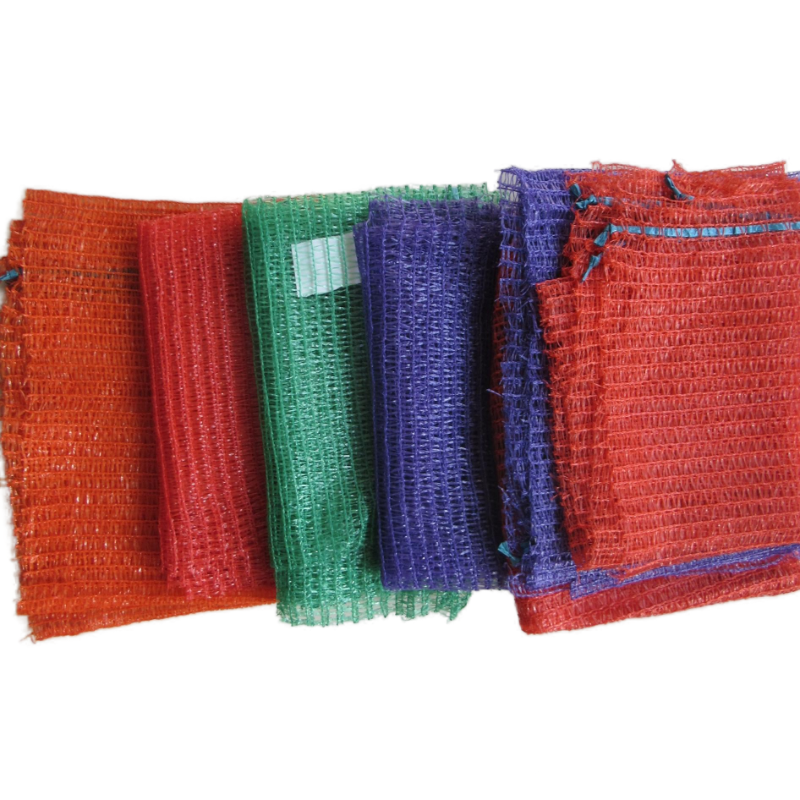
For businesses dealing with agricultural products, firewood, or bulk goods, selecting the right Mesh Sack is a critical decision that affects product safety, storage efficiency, and customer satisfaction. With a variety of Mesh Sack types available—each designed for specific uses—it’s easy to feel overwhelmed. But by focusing on key factors like product characteristics, usage scenarios, and quality standards, you can find the perfect fit. Drawing on over 20 years of experience from Zaozhuang Jindalai Plastics Co., Ltd.—a leading manufacturer of agricultural plastic packaging, including diverse Mesh Sack solutions—this guide will walk you through the essential steps to make an informed choice.
Step 1: Define Your Product’s Unique Needs
The first rule of choosing a Mesh Sack is to start with your product. Different goods have distinct requirements, and the right Mesh Sack should align with them. Here are three key product-related factors to consider.
Product Type and Sensitivity
When it comes to agricultural products, vegetables (like onions, potatoes) and fruits need Mesh Sacks that balance ventilation and protection. For example, leafy greens require better air circulation to prevent mold, while hardier root veggies need durability to withstand handling. Zaozhuang Jindalai Plastics offers specialized Mesh Sacks such as Leno Mesh Bags for onions and PE Monofilament Mesh Bags for garlic—each tailored to the unique needs of different produce. For firewood and bulk goods, heavy items like firewood demand Mesh Sacks with high tensile strength; a thick, woven Mesh Sack (such as PP Woven Mesh Sacks) can support 15kg to 25kg loads without tearing, ensuring safe transport and storage. For grain and rice, these products need Mesh Sacks that are moisture-resistant and pest-proof; food-grade Mesh Sacks (compliant with FDA and EU standards) prevent contamination while allowing slight ventilation to keep grains dry.
Packaging Volume and Weight
Mesh Sacks come in various sizes, from small 1kg retail packs to large 50kg bulk bags. For retail purposes, a lightweight, compact Mesh Sack (like a 30x40cm Leno Mesh Bag) is ideal for displaying products. For industrial transport, larger Mesh Sacks (such as 80x100cm PP Big Bags) are more efficient, reducing the number of packages needed and lowering logistics costs. Always match the Mesh Sack size to your product’s volume to avoid overpacking or wasting material.
Step 2: Evaluate Key Mesh Sack Characteristics
Not all Mesh Sacks are created equal. Their material, mesh density, and design directly impact performance. Here’s what to look for.
Material: Choose Based on Durability and Usage
Polypropylene (PP) is the most popular material for Mesh Sacks; it is lightweight, strong, and resistant to chemicals and UV rays. Zaozhuang Jindalai Plastics uses high-quality PP for its Leno Mesh Bags and PP Woven Bags, making them suitable for outdoor storage and long-distance transport. PP Mesh Sacks also retain their shape even when wet, unlike paper or cloth alternatives. Polyethylene (PE) Mesh Sacks (such as Monofilament Mesh Bags) are flexible and have excellent impact resistance, making them a great choice for delicate fruits like apples or pears as they prevent bruising while still allowing ventilation. For businesses prioritizing sustainability, recycled PP or PE Mesh Sacks are a viable option; Zaozhuang Jindalai Plastics offers eco-friendly Mesh Sacks made from recycled materials, which maintain the same durability as virgin plastic without compromising on quality.
Mesh Density: Balance Ventilation and Protection
Mesh density (measured by the number of holes per square inch) determines how much air flows through the Mesh Sack and how well it protects the product. Fine mesh, with 40-60 holes per square inch, is ideal for small, delicate items like cherry tomatoes or garlic cloves as it prevents products from falling out while still allowing air circulation. Medium mesh, with 20-30 holes per square inch, is suitable for most vegetables (onions, potatoes) and fruits (oranges, carrots) as it offers a balance of ventilation and protection, keeping products fresh without exposing them to damage. Coarse mesh, with 5-15 holes per square inch, is best for large, sturdy items like firewood, cabbages, or pumpkins; it provides maximum ventilation and is easy to handle, making it efficient for bulk packaging.
Design Features: Customize for Convenience
A Mesh Sack with a drawstring makes it easy to seal and open, preventing products from spilling during transport, and this is especially useful for small retail packs. Customizable Mesh Sacks (with printed logos or product information) enhance brand visibility; Zaozhuang Jindalai Plastics offers Mesh Sacks with band labels or printed designs, helping your products stand out on store shelves. Tubular Mesh Sacks (like Knitted Tubular Net Bags) are seamless, providing uniform strength and reducing the risk of tearing at seams, while seamed Mesh Sacks (such as L-Sewing PP Leno Mesh Bags) are more cost-effective for standard uses.
Step 3: Prioritize Quality and Compliance
A low-quality Mesh Sack can lead to product loss, customer complaints, and reputational damage. To ensure you’re getting a reliable product, here are two key points to focus on.
Check for Certifications
Look for Mesh Sacks that meet international quality standards. Zaozhuang Jindalai Plastics’ Mesh Sacks are ISO 9001:2015 certified, ensuring consistent quality control. They also undergo SGS testing (such as UV-aging resistance tests per ASTM G154-06 standards), proving their durability in harsh conditions. For food-related products, Mesh Sacks must be food-grade and compliant with local regulations (e.g., EU 10/2011 or FDA guidelines) to avoid contamination.
Test Durability and Performance
Before placing a large order, request samples to test the Mesh Sack’s strength. Check if it tears when lifted with the maximum intended weight, and see how it holds up to moisture or sunlight. Zaozhuang Jindalai Plastics provides free samples of its Mesh Sacks, allowing customers to verify performance before committing to a purchase.
Step 4: Partner with a Reliable Mesh Sack Manufacturer
Choosing the right Mesh Sack is easier when you work with an experienced manufacturer. Zaozhuang Jindalai Plastics Co., Ltd.—founded in 1999 with over 20 years of expertise—offers a one-stop solution for Mesh Sack needs. It provides customization services: from size and color to mesh density and branding, the company tailors Mesh Sacks to exact requirements, whether a pink Mesh Sack for garlic or a red one for onions. It also offers one-stop service, handling every step of production from plastic-tap drawing and weaving to cutting, sewing, and shipment, ensuring consistent quality and fast lead times. As an exporter, it has global expertise, understanding the unique needs of customers worldwide, and its Mesh Sacks comply with international standards, making them suitable for markets in Europe, North America, Asia, and beyond.
Conclusion: Choose the Right Mesh Sack for Long-Term Success
Selecting the right Mesh Sack isn’t just about packaging—it’s about protecting your products, satisfying customers, and optimizing costs. By defining your product’s needs, evaluating Mesh Sack characteristics, prioritizing quality, and partnering with a trusted manufacturer like Zaozhuang Jindalai Plastics, you can find a Mesh Sack that meets your goals. Whether you’re packaging vegetables, firewood, or grain, the right Mesh Sack will enhance your operations and help your business thrive.