 EN
EN

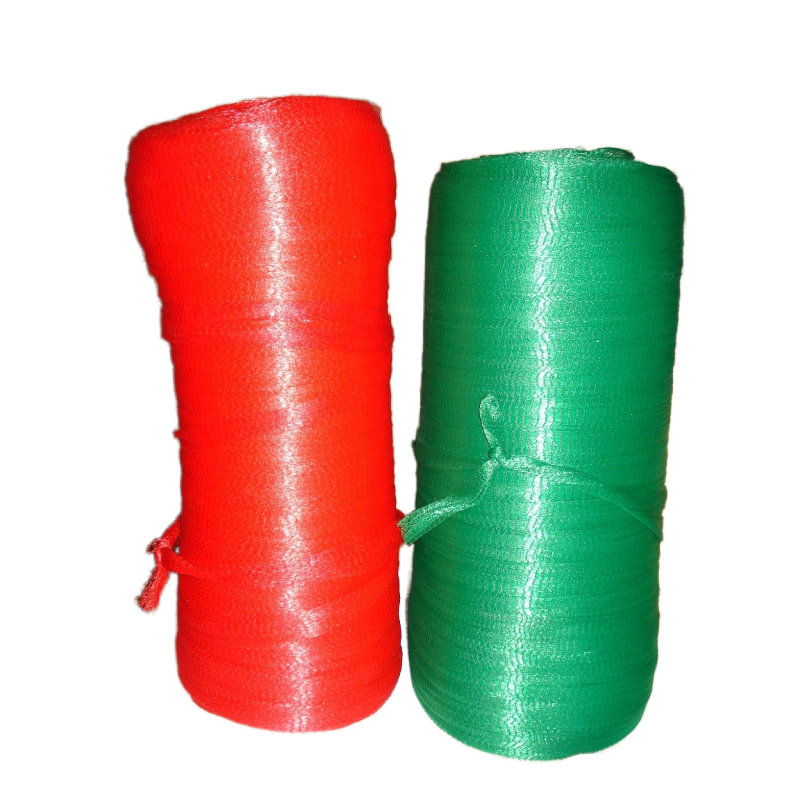
When it comes to packaging fresh produce, choosing the right solution is crucial for maintaining quality, extending shelf life, and ensuring safe transportation. Among the various packaging options available, Monofilament Net Bags have emerged as a top choice for farmers, distributors, and retailers worldwide. With over 20 years of experience in manufacturing plastic packaging for agricultural products, Zaozhuang Jindalai Plastics Co., Ltd understands the unique needs of fresh produce packaging—and Monofilament Net Bags stand out for their unmatched combination of functionality, durability, and versatility.
The Unique Structure of Monofilament Net Bags: A Game-Changer for Freshness
At the core of what makes Monofilament Net Bags ideal for fresh produce is their distinct structural design. Unlike traditional plastic bags that trap moisture and restrict air circulation, Monofilament Net Bags are crafted from single, continuous strands of high-quality plastic, woven into a mesh pattern with evenly spaced openings. These openings are not just a design feature—they play a critical role in preserving the freshness of fruits and vegetables.
Fresh produce, such as tomatoes, potatoes, onions, and apples, releases ethylene gas as part of the ripening process. When trapped in airtight packaging, this gas accumulates, accelerating over-ripening and spoilage. Monofilament Net Bags solve this problem by allowing constant air flow throughout the bag. The mesh structure enables ethylene gas to escape freely, while also letting fresh air circulate around each piece of produce. This balanced ventilation slows down the ripening process, keeping produce firmer, juicier, and fresher for longer periods—whether it’s in storage, during transportation, or on retail shelves.
Additionally, the monofilament strands used to make these bags are strong and resilient. Unlike thin, easily tearable plastic films, the single-strand construction of Monofilament Net Bags provides excellent tensile strength. This means the bags can hold heavy loads of produce—such as large sacks of potatoes or bunches of citrus—without stretching, tearing, or breaking. For farmers and distributors, this durability translates to fewer losses from damaged packaging and spilled produce, reducing waste and improving operational efficiency.
Versatility That Meets Diverse Fresh Produce Needs
Another key reason Monofilament Net Bags are ideal for fresh produce is their exceptional versatility. Fresh produce comes in a wide range of shapes, sizes, and textures—from small, delicate berries to large, robust root vegetables—and Monofilament Net Bags can be customized to suit nearly every type.
Zaozhuang Jindalai Plastics Co., Ltd offers Monofilament Net Bags in various specifications, including different mesh sizes, bag dimensions, and colors. For example, smaller mesh sizes are perfect for delicate produce like cherry tomatoes or strawberries, preventing them from falling out while still ensuring proper ventilation. Larger mesh sizes, on the other hand, work well for bulkier items like watermelons or pumpkins, allowing for maximum air circulation and easy visibility of the produce inside.
Color customization is another advantage of Monofilament Net Bags for fresh produce. Different colors can serve both functional and marketing purposes. For instance, light-colored bags (such as white or light green) reflect sunlight, helping to keep produce cool in warm environments—ideal for outdoor markets or long-haul transportation in hot climates. Darker colors, while less common for direct produce contact, can be used for secondary packaging to protect against light exposure for sensitive items. Additionally, branded or colored Monofilament Net Bags can help retailers and farmers stand out, as the bags serve as a subtle marketing tool that showcases the produce while reinforcing brand identity.
This versatility also extends to the types of fresh produce the bags can accommodate. Whether it’s leafy greens that need to stay crisp, root vegetables that require breathability to prevent rot, or tropical fruits that are sensitive to moisture, Monofilament Net Bags can be tailored to meet the specific needs of each product. This adaptability makes them a one-stop packaging solution for agricultural businesses of all sizes.
Safety and Sustainability: Meeting Global Standards for Fresh Produce
In today’s global market, safety and sustainability are top priorities for consumers, retailers, and regulatory bodies—and Monofilament Net Bags excel in both areas. Zaozhuang Jindalai Plastics Co., Ltd manufactures Monofilament Net Bags using food-grade, non-toxic plastic materials that comply with international safety standards, including those set by the FDA (Food and Drug Administration) and EU regulations. This ensures that the bags do not leach harmful chemicals into the produce, making them safe for direct contact with fruits and vegetables that are consumed raw or with minimal processing.
For businesses operating in international markets, this compliance is critical. Different countries and regions have strict guidelines for food packaging, and Monofilament Net Bags from Zaozhuang Jindalai Plastics Co., Ltd meet these diverse requirements, eliminating barriers to entry for exporters. Whether shipping produce to North America, Europe, Asia, or Africa, farmers and distributors can trust that their packaging will adhere to local safety standards, protecting both consumers and their brand reputation.
Sustainability is another area where Monofilament Net Bags shine. While plastic packaging is often criticized for its environmental impact, Monofilament Net Bags are designed to be reusable and recyclable. Their durable construction means they can be used multiple times—for example, consumers can reuse them to store produce at home, or farmers can repurpose them for secondary packaging. Additionally, the high-quality plastic used in Monofilament Net Bags is recyclable, meaning that at the end of their lifecycle, the bags can be processed into new plastic products, reducing the amount of waste sent to landfills.
For agricultural businesses looking to reduce their carbon footprint, Monofilament Net Bags also offer logistical sustainability benefits. Their lightweight design reduces the overall weight of shipments, which in turn lowers fuel consumption during transportation. This not only cuts down on greenhouse gas emissions but also reduces transportation costs—a win-win for both the environment and the bottom line.
Real-World Applications: Why Farmers and Retailers Choose Monofilament Net Bags
The benefits of Monofilament Net Bags are not just theoretical—they are proven in real-world agricultural operations. Farmers who use Monofilament Net Bags report significant improvements in produce quality and shelf life. For example, a potato farmer in Eastern Europe switched to Monofilament Net Bags and saw a 30% reduction in spoilage during storage, as the bags prevented moisture buildup and allowed ethylene gas to escape. Similarly, a citrus distributor in South America noted that their oranges stayed fresher for up to two weeks longer when packaged in Monofilament Net Bags, compared to traditional plastic bags.
Retailers also prefer Monofilament Net Bags for their consumer-friendly design. The mesh structure allows customers to see and inspect the produce before purchasing, which increases consumer confidence and reduces returns. Additionally, the handles (when added) make the bags easy for customers to carry, enhancing the overall shopping experience. For example, a grocery chain in North America introduced Monofilament Net Bags for apples and pears and saw a 15% increase in sales of these items, as customers appreciated the ability to check the quality of the fruit without opening the bag.
Zaozhuang Jindalai Plastics Co., Ltd has worked with countless agricultural businesses around the world to provide Monofilament Net Bags that meet their unique needs. From small-scale family farms to large multinational distributors, the company’s customizable Monofilament Net Bags have become a trusted solution for fresh produce packaging. With a focus on quality, durability, and sustainability, the company’s Monofilament Net Bags not only protect produce but also help businesses grow by improving efficiency and customer satisfaction.
Conclusion: Monofilament Net Bags—The Future of Fresh Produce Packaging
In a market where fresh produce quality and sustainability are more important than ever, Monofilament Net Bags offer a solution that checks all the boxes. Their unique mesh structure ensures optimal ventilation, preserving freshness and reducing spoilage. Their durability and versatility make them suitable for nearly every type of fresh produce, while their compliance with global safety standards and recyclable design meet the demands of both consumers and regulatory bodies.
For agricultural businesses looking to enhance their packaging strategy, Monofilament Net Bags are not just a choice—they are an investment in the quality of their produce, the efficiency of their operations, and the sustainability of their brand. With over 20 years of expertise in agricultural plastic packaging, Zaozhuang Jindalai Plastics Co., Ltd is committed to providing high-quality Monofilament Net Bags that help businesses thrive in the global fresh produce market. Whether you’re packaging vegetables, fruits, or other agricultural products, Monofilament Net Bags are the ideal choice for keeping your produce fresh, safe, and appealing—from farm to table.
Table of Contents
- The Unique Structure of Monofilament Net Bags: A Game-Changer for Freshness
- Versatility That Meets Diverse Fresh Produce Needs
- Safety and Sustainability: Meeting Global Standards for Fresh Produce
- Real-World Applications: Why Farmers and Retailers Choose Monofilament Net Bags
- Conclusion: Monofilament Net Bags—The Future of Fresh Produce Packaging