 EN
EN

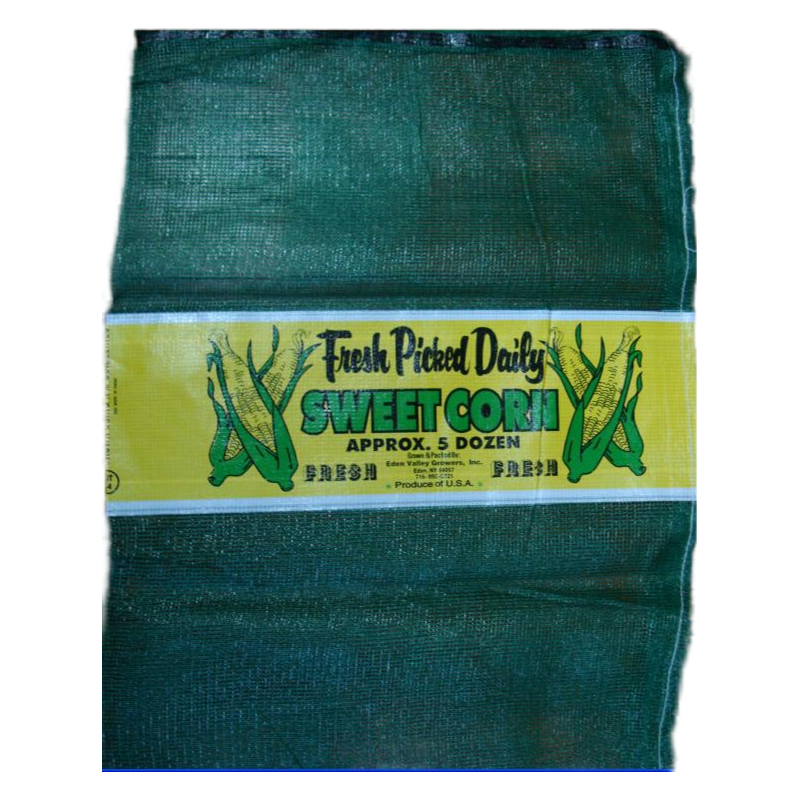
Environmental Sustainability: How Mesh Bags Reduce Plastic Waste
Replacing Single-Use Plastic with Reusable Mesh Bag Solutions
Mesh bags that can be reused again and again provide a real solution to our growing plastic problem. We're talking about over 500 billion plastic bags used globally every year, but sadly less than 10 percent actually get recycled according to OECD data from 2022. A good quality mesh bag will replace around 500 single use plastic bags throughout its life. People use them for shopping, storing fruits and veggies, and carrying bulk items too. Families who switch to these reusable options tend to keep about 15 to 20 pounds of plastic out of trash each year. Regular plastic just breaks down into tiny microplastics that stick around forever. But mesh bags made from recycled materials like rPET or even organic cotton hold up after hundreds of washes. Best part? They don't need any new oil products when they're manufactured, which makes them much better for the environment in the long run.
Comparative Environmental Impact: Mesh Bags vs. Plastic and Paper Alternatives
Lifecycle analysis reveals clear advantages for mesh bags when compared to common alternatives:
| Material | CO Footprint (per 100 uses) | Water Consumption | End-of-Life Impact |
|---|---|---|---|
| Single-use plastic | 2.1 kg | 10 L | 500+ year decomposition |
| Paper | 4.5 kg | 1,200 L | 6-month decomposition* |
| Recycled PET mesh | 0.8 kg | 45 L | Fully recyclable |
When we talk about uncoated paper, recycled PET mesh bags are changing the game by turning old soda bottles into something useful again. These bags cut down on new plastic needs by around 70% and produce about 30% fewer emissions compared to regular polyester according to Textile Exchange numbers from last year. Paper bags do break down quicker in nature, but making them requires way more water - roughly 120 times what goes into producing rPET mesh. Cotton mesh options don't contribute to microplastic problems at all, which is great news for our oceans. Still, if someone wants to really reduce their water footprint, they should look for organic or naturally dyed cotton varieties. To get the most out of these eco-friendly alternatives, folks should aim for either rPET bags or those certified by GOTS standards made from organic cotton. And remember, reuse counts too! Getting through at least 100 uses before tossing them makes all the difference in sustainability efforts.
Enhanced Produce Freshness Through Mesh Bag Breathability
The open-weave construction of mesh bags enables continuous airflow around fruits and vegetables—creating ideal conditions for freshness preservation. Unlike sealed plastic packaging, which traps moisture and accelerates spoilage, mesh allows natural evaporation while preventing condensation buildup that fosters mold and decay.
Optimal Airflow and Moisture Management for Longer Shelf Life
Mesh bags work their magic by letting air flow through them naturally, which helps control humidity levels and keeps excess moisture from building up on surfaces where bad bacteria love to grow. Research into agricultural packaging indicates these breathable designs can cut down mold problems by around 30 percent while keeping leafy greens and berries fresh looking for approximately 40% longer than traditional storage methods. What we're really talking about here goes beyond simple shelf life extension though it also means less wasted food sitting unused in home kitchens across the country.
Ethylene Gas Ventilation and Its Role in Delaying Ripening and Spoilage
When fruits start to ripen, they release ethylene, a natural plant hormone that builds up fast in closed spaces and causes fruits to soften and go bad too soon. The breathable mesh in these storage bags lets the ethylene escape instead of getting trapped. For fruits that keep ripening after picking (like avocados, tomatoes, apples, and bananas), this can slow down their metabolism quite a bit–maybe around a quarter to half as much activity compared to when they're stored in tight containers. What does this mean? These fruits stay firm, taste better, and retain most of their nutrients for much longer periods than if kept in regular plastic bags or containers.
Reduction of Food Waste and Preservation of Nutritional Quality
Mesh bags help cut down on food waste by tackling those big problems that cause fruits and veggies to spoil fast: too much moisture and all that ethylene gas building up. According to the United Nations Environment Programme report from last year, we're throwing away about 931 million tons of food every single year, and almost a quarter of that comes straight from fresh produce sections. What makes mesh packaging special is how it lets air circulate just right. This controlled airflow slows down oxidation processes without completely cutting off oxygen access, which means important heat sensitive nutrients like vitamin C and various B vitamins stay intact longer compared to when foods are packed in vacuum sealed bags or wrapped in plastic. For everyday shoppers, this translates into longer shelf life for their groceries. People can actually use what they buy before it goes bad, saving money at the store and reducing trash going into landfills, all while still getting all the nutritional value they paid for in the first place.
Long-Term Cost Savings and Practical Benefits of Reusable Mesh Bags
Durability, Washability, and Multi-Use Efficiency of High-Quality Mesh Bags
The best quality reusable mesh bags come with strong seams that won't tear easily, fabrics that stand up to wear and tear, and colors that stay vibrant even after many washes. These can last through hundreds of uses without losing their effectiveness. Plus, they're easy to clean in the washing machine which keeps them hygienic and saves money in the long run. People who stick with disposable options end up spending around $150 or more each year just replacing them. A single good mesh bag actually takes the place of about 500 single use ones, slashing packaging waste by roughly 80 percent. Companies that buy in bulk and set up return programs have seen their packaging expenses drop anywhere from 30 to 40 percent according to research from the Ellen MacArthur Foundation back in 2022. For anyone serious about reducing waste while saving cash, these mesh bags really deliver on both fronts making them an excellent choice for households and businesses alike.
FAQ
What are mesh bags made from?
Mesh bags are typically made from recycled materials like rPET or organic cotton. Some are certified by GOTS standards.
How do mesh bags help in reducing plastic waste?
Mesh bags replace single-use plastic bags; one high-quality mesh bag can replace approximately 500 plastic bags in its lifetime.
Do mesh bags maintain produce freshness?
Yes, mesh bags keep produce fresh by allowing airflow, reducing moisture buildup, and preventing ethylene gas accumulation that accelerates spoilage.
Are mesh bags a cost-effective solution?
Yes, they help save money by reducing the number of disposable bags and can last through hundreds of uses, offering long-term savings.
How environmentally friendly are mesh bags compared to paper bags?
Mesh bags have a lower carbon footprint and require less water in their production than paper bags, making them a more sustainable choice.