 EN
EN

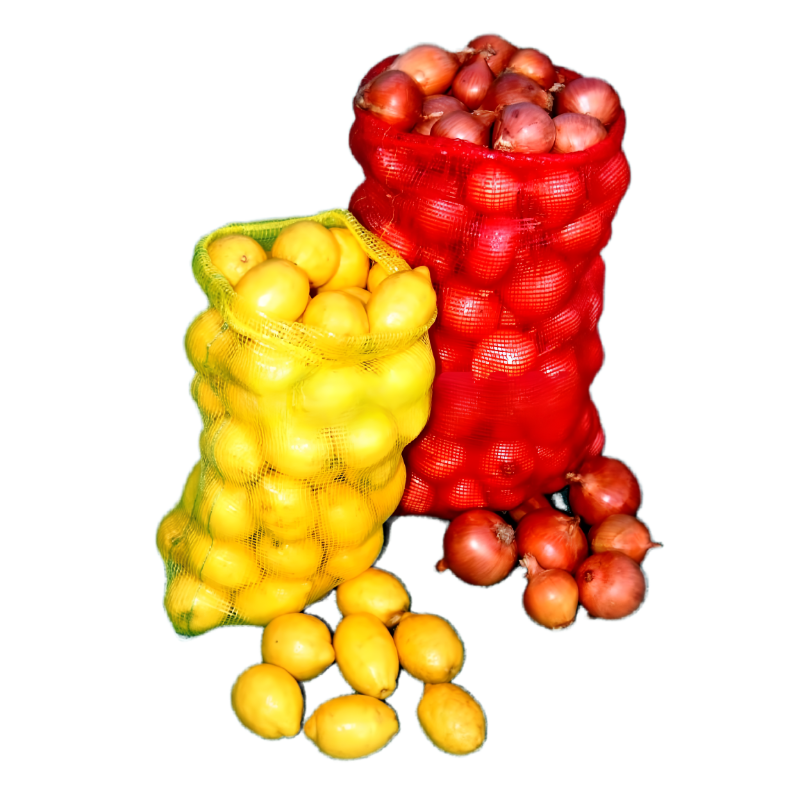
Superior Breathability: How PP Mesh Bags Extend Shelf Life of Fruits and Vegetables
Micro-perforated structure enabling continuous air exchange and condensation control
PP mesh bags with their tiny holes allow for constant airflow that brings in oxygen and lets out carbon dioxide while keeping the humidity level just right around fruits and vegetables. This kind of ventilation stops water from building up inside the bag which is one of the main reasons food goes bad, and tests show it cuts down on rot caused by condensation maybe around 25-30% better than regular sealed packaging does. When we talk about things that get ruined easily like lettuce or strawberries, these breathable bags stop mold from growing while still keeping them nice and fresh looking. Plus, because they let air through, the bags help protect against sudden changes in temperature when transporting goods, so delicate fruits don't get bruised as much and those ugly brown spots develop slower too.
Ethylene gas dispersion to slow ripening in climacteric produce (e.g., tomatoes, bananas, avocados)
Polypropylene mesh bags help reduce the build up of ethylene gas, which is basically nature's own ripening hormone coming from certain fruits and veggies. The open weave design lets this gas escape instead of getting trapped inside. What happens then? Well, studies show it actually slows down the metabolic processes by around 25% to maybe even 40%. That means produce doesn't get over ripe so fast, and keeps more of its nutrients intact too. Take broccoli and carrots for instance these are really sensitive to ethylene exposure. With PP mesh bags acting as a breathable shield, they stay greener longer and maintain better texture without going soft or discolored. Most grocery stores report seeing shelf life extended anywhere from three days up to seven days based on what kind of produce we're talking about. And when fresh produce lasts longer at stores, guess what happens to waste levels? They drop significantly across the board.
Sustainability Advantages of PP Mesh Bags: Reusability, Recyclability, and Waste Reduction
Lifecycle impact: 12+ reuses cut single-use plastic demand by 92% — validated by circular economy metrics
PP mesh bags actually make a real difference for the environment when they get reused multiple times. Made from tough polypropylene, these bags can handle around 12 full uses before needing replacement, which means we're looking at roughly 92% less demand for single-use plastics compared to throwaway options. Studies on their entire life cycle reveal something interesting too: once a bag has been used five times, each subsequent use cuts carbon emissions by about 85%. That happens because there's less need to extract new materials, manufacture products from scratch, transport goods across distances, and eventually deal with waste in landfills. All these benefits fit right into what people call circular economy thinking and definitely help improve how sustainable our fresh produce systems really are.
End-of-life compatibility: seamless integration into existing #5 polypropylene recycling infrastructure
Once these mesh bags can't be reused anymore, their value doesn't disappear because they're easily recyclable. They're made completely from polypropylene, which has the resin code #5, so most local recycling programs take them in without issue. About 8 out of 10 recycling centers across America accept these materials. There's no need for special handling when it comes time to recycle them. The process is pretty simple actually: just cut them up into small pieces, melt them down into pellets, then make new things like storage bins or parts for cars. This whole cycle keeps plastic waste out of landfills and cuts back on how much new plastic needs to be produced. Some estimates suggest we could reduce demand for fresh polymer materials by around 40% if more of these recycled materials get used in manufacturing.
Functional Performance: Strength, Visibility, and Adaptability Across Produce Categories
Polypropylene mesh bags bring together several useful features that make them great for different kinds of handling situations. These bags can handle quite a bit of stress too, with some models holding up under tension forces over 45 Newtons per square centimeter. That means they don't tear easily when packed full for shipping, which cuts down on product loss during transport by around 18% compared to regular plastic alternatives. The see-through weave lets workers check what's inside without opening the bag, something that helps stores maintain quality standards and speeds up stock checks behind the scenes. What makes these bags really stand out though is how adaptable they are. Farmers markets, grocery stores, and bulk food operations all find ways to use them for everything from loose fruits to vegetables and even small hardware items.
- Delicate items like berries use fine 2–4mm mesh to prevent bruising
- Bulky root vegetables rely on reinforced handles rated for 5kg+ loads
-
Irregular shapes, including asparagus and artichokes, are secured via stretchable knits
This cross-category adaptability eliminates the need for multiple packaging systems–streamlining operations from harvest to point of sale.
Real-World Usability: Cleaning, Handling, and Retail-to-Home Transition of PP Mesh Bags
Wash resilience: structural integrity maintained after 20+ machine washes (ISO 6330-compliant testing)
PP mesh bags maintain performance across repeated real-world cleaning cycles. ISO 6330-compliant testing confirms they retain full tensile strength and seam integrity after 20+ machine washes–ensuring consistent breathability and load-bearing capacity. This resilience translates to tangible benefits:
- Eliminates single-use packaging waste during grocery-to-home transport
- Supports convenient home cleaning using standard washing machines
- Preserves mesh openness for uninterrupted produce ventilation
- Cuts replacement costs by 87% versus disposable alternatives
Retailers report 92% customer reuse rates when bags withstand rigorous cleaning protocols–validating their practical role in scalable, circular packaging systems.
FAQs about PP Mesh Bags
-
How do PP mesh bags extend the shelf life of fruits and vegetables?
PP mesh bags allow continuous airflow and control condensation, reducing spoilage by up to 30% compared to sealed packaging. They also disperse ethylene gas to slow the ripening process, helping produce like tomatoes and bananas stay fresh longer.
-
Are PP mesh bags environmentally friendly?
Yes, PP mesh bags are reusable and recyclable. They can be reused over 12 times, reducing single-use plastic demand by 92%. Their lifecycle reduces carbon emissions and supports circular economy practices.
-
Can PP mesh bags be recycled?
Absolutely, they are made entirely of polypropylene, classified as resin code #5, which is widely accepted by recycling programs.
-
Are PP mesh bags suitable for all types of produce?
Yes, they are highly adaptable. Different mesh sizes and configurations make them suitable for delicate items like berries, bulky vegetables, and irregular shapes such as asparagus.
-
How durable are PP mesh bags?
They maintain structural integrity after 20+ machine washes, making them durable for repeated use. This durability reduces replacement costs significantly compared to disposable options.
Table of Contents
- Superior Breathability: How PP Mesh Bags Extend Shelf Life of Fruits and Vegetables
- Sustainability Advantages of PP Mesh Bags: Reusability, Recyclability, and Waste Reduction
- Functional Performance: Strength, Visibility, and Adaptability Across Produce Categories
- Real-World Usability: Cleaning, Handling, and Retail-to-Home Transition of PP Mesh Bags
- FAQs about PP Mesh Bags