 EN
EN

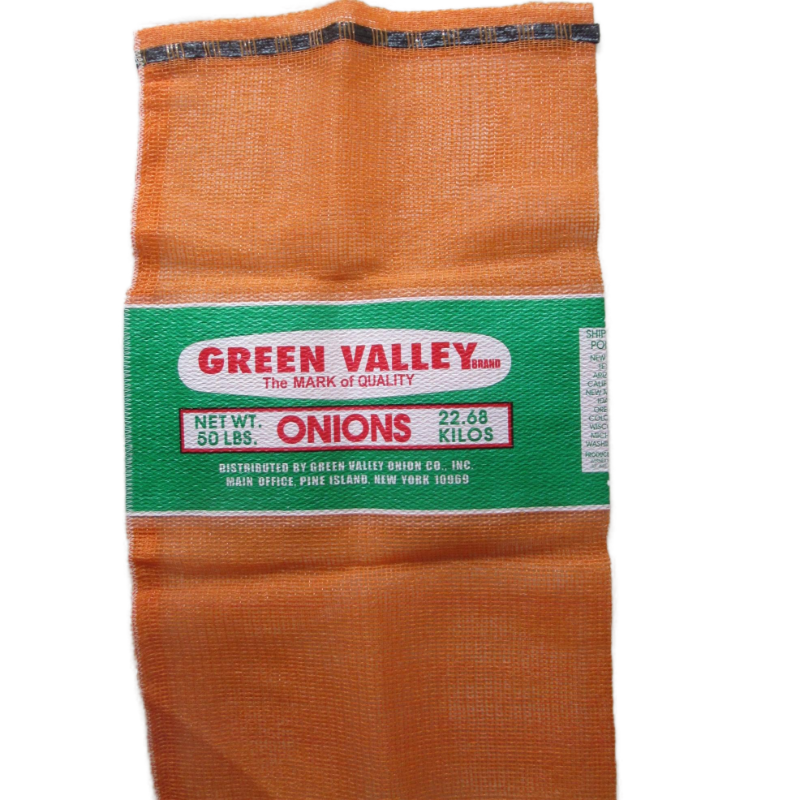
Why Leno Mesh Bags Are the Optimal Choice for Firewood Storage and Transport
The Structural Advantage: How Leno Weave Enhances Strength and Airflow
The special interlocking design of leno weave joins warp threads around weft yarns in a way that creates a strong, stable structure. This makes the fabric resistant to stretching or warping when holding firewood weights between 50 and 70 kilograms. Standard weaving methods don't distribute stress as well through the material, which is why leno weave can reduce tearing risks by roughly 40 percent compared to other options. What's really important too is that all the holes stay the same size throughout, allowing air to move consistently through the pile. Tests done in actual conditions show that wood kept inside leno mesh bags dries out about 15% faster than wood stored in regular containers. This means not only safer transportation but also better prepared fuel for burning purposes.
PP vs. HDPE Leno Mesh: Matching Material Properties to Firewood Handling Needs
When deciding between polypropylene (PP) and high density polyethylene (HDPE), several factors come into play including local weather patterns, how often items need to be moved around, and where they'll be stored long term. Polypropylene stands out because it's really flexible and naturally resists UV damage from sunlight. Containers made from PP can sit outside for about three years straight without breaking down, even without any special additives mixed in during manufacturing. Plus, since PP weighs roughly 25 percent less than HDPE counterparts, workers find them much easier to lift and carry around warehouses or loading docks. Another nice feature is that PP has some slight wicking properties which means water tends to evaporate off surfaces quicker compared to other plastics. On the flip side, HDPE plastic is stronger overall and maintains its shape better when temperatures drop below freezing point. This makes HDPE containers ideal for places like refrigerated storage facilities or outdoor equipment housed in cold climates where regular plastics might start to sag or deform under their own weight over time.
| Property | PP | HDPE |
|---|---|---|
| Flexibility | High (resists cracking) | Moderate (stiffer handle) |
| UV Resistance | Excellent (3+ year lifespan) | Good (requires additives) |
| Weight | Lighter (ease of handling) | Heavier (max load support) |
For most residential and seasonal use, PP strikes the ideal balance of durability, lightness, and weather resilience. HDPE remains the preferred choice where freeze-thaw cycling or heavy-duty commercial handling is routine.
Critical Selection Criteria for a High-Performance Leno Mesh Bag
Burst Strength, Seam Reinforcement, and Load Ratings (50–70 kg) Explained
The burst strength of a bag, measured in kilopascals, tells us how well it can handle the pressure from those awkward, jagged pieces of firewood we all deal with. If we want to avoid seams giving way when loading, unloading, or stacking, look for bags that are specifically rated to hold between 50 and 70 kilograms of weight sitting still. The reinforced lock stitching on seams isn't just nice to have it's absolutely essential. These stitches help hold down the stress points and spread the force over several threads instead of concentrating it in one spot where the bag might pop. When comparing materials, PP based leno mesh actually does better than HDPE when dealing with sudden impacts. This is because PP has better tension recovery properties, meaning it can take about 30 percent more shock before getting permanently damaged. That makes a real difference in everyday use.
| Material | Avg. Burst Strength (kPa) | Max Load Capacity |
|---|---|---|
| PP | 180–220 | 65–70 kg |
| HDPE | 150–180 | 50–60 kg |
Sizing Strategy: Dimensions That Support Stackability, Portability, and Full Cord Efficiency
Firewood storage bags around 90x120 cm work best because they fit standard 1.2 meter logs and let people stack them nicely without everything toppling over. The size creates good airflow between the logs which helps prevent mold when wood sits outside for weeks or months. Most folks find these dimensions manageable too. Want something comfortable? Look for bags with double layer straps on the sides. They take about 40% less pressure off shoulders compared to regular ones, though actual results might vary depending on how much wood someone carries at once. Don't go for tiny bags either. Stuffing too many logs into small containers squishes the mesh fabric together, blocks proper ventilation, and puts extra stress on the stitching points. That means wetter wood plus possible leaks down the road. Just make sure whatever bag gets chosen matches what kind of measurements are being used locally for firewood sales and deliveries so nothing gets wasted during transport or ends up sitting improperly stacked somewhere.
Balancing Breathability and Weather Resistance in Outdoor Firewood Use
Mesh Openness and Air Exchange Rate: Preventing Moisture Buildup and Mold Growth
Leno mesh bags work best when they have just the right amount of open space in the weave, around 35 to 45 percent. This lets plenty of air through without making the bag too flimsy or letting in unwanted dirt and debris. When firewood dries in these bags, it loses moisture much faster than if stored in regular containers. Tests showed wood can lose nearly 70% of its moisture content this way, which makes sense since there's so much better airflow. Plus, all that extra ventilation stops mold from growing as easily either. A study published in the Journal of Wood Science back in 2022 confirmed these benefits. The actual size of those openings matters quite a bit too for how well everything works overall.
| Mesh Opening Size | Airflow Efficiency | Debris Exclusion |
|---|---|---|
| 6–8 mm | High | Moderate |
| 4–5 mm | Moderate | High |
In humid or rainy climates, 6–8 mm openings accelerate drying; in arid regions, tighter 4–5 mm weaves help retain natural wood oils and slow excessive desiccation.
UV-Stabilized PP Leno Mesh: Long-Term Durability in Sun, Rain, and Freeze-Thaw Cycles
Polypropylene leno mesh treated with UV stabilizers lasts much longer when storing firewood outdoors compared to other materials. The special UV protection at the molecular level works better against sun damage than regular HDPE, even when they add stabilizers. Tests show it keeps around 90% of its original strength after over 1,200 hours under intense UV light according to AAMA standards from 2015. This material handles extreme temperatures really well too, staying strong and flexible whether it's freezing cold at -30 degrees Celsius or hot as 50 degrees Celsius. Winter doesn't make it brittle and summer heat won't soften it up. Since polypropylene naturally repels water, almost none gets absorbed, so there's no risk of those annoying freeze-thaw problems that plague natural fibers or cheaper synthetic options. When made with lockstitched seams, these meshes typically last five years or more in the field, which means about double what unstabilized versions manage before needing replacement.
Frequently Asked Questions (FAQ)
1. Why is leno weave superior for firewood storage?
Leno weave is designed to resist stretching and tearing, distribute weight evenly, and maintain uniform hole sizes, which facilitate optimal airflow, accelerating the drying process of firewood.
2. What are the key differences between PP and HDPE leno mesh bags?
PP leno mesh bags are more flexible, lighter, and have excellent UV resistance, while HDPE bags offer better strength and shape retention in cold conditions.
3. How do leno mesh bags prevent moisture and mold growth?
With a balanced mesh openness of 35-45%, leno mesh bags allow effective air exchange, significantly reducing moisture buildup and the risk of mold growth.
4. What does UV stabilization in PP leno mesh achieve?
UV stabilization enhances the longevity and durability of PP leno mesh bags, protecting them from sun damage and maintaining their structural integrity across extreme temperature cycles.
5. What are the optimal dimensions for leno mesh bags used for firewood?
Dimensions around 90x120 cm provide the ideal space for securely stacking and storing standard 1.2 meter logs while allowing ample airflow to prevent mold.