 EN
EN

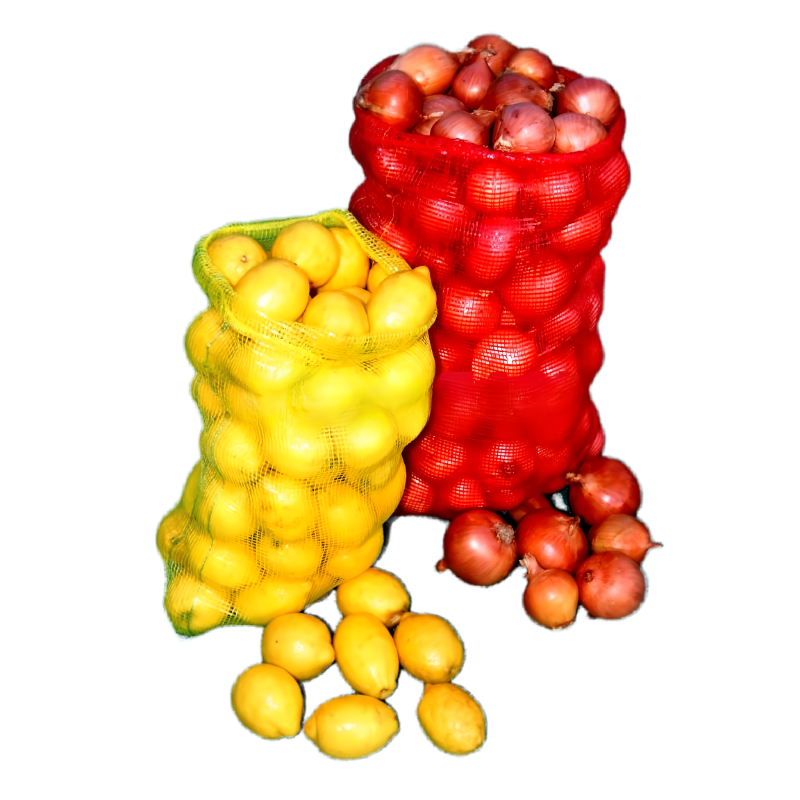
Why Onion Mesh Bags Are Superior to Plastic and Paper for Storage
The Science of Air Circulation and Its Role in Preventing Sprouting and Decay
After being harvested, onions keep breathing out moisture along with ethylene gas. When there's not enough fresh air circulating around them, all those gases build up over time and this speeds things up bad for the onions they start sprouting and going rotten faster than normal. Mesh bags work wonders because they let air flow all around the onions from every direction. This helps get rid of that pesky ethylene while keeping just the right amount of oxygen available. Studies show that this can actually slow down how fast the onions use up their energy reserves by somewhere around 40 percent when compared to putting them in closed containers. Plastic bags are totally different story though they lock in both the gases and moisture, basically creating little greenhouses inside where the onions will sprout way too soon. Paper options aren't much better either since they don't really let much air through and tend to squish against the onion bulbs. This creates tiny pockets of dampness where mold and rot can spread quickly. The special breathable design of mesh bags keeps everything nice and dry during storage, which means onions stay fresh looking good for several extra weeks without any problems.
Moisture Management: How Onion Mesh Bags Inhibit Mold, Rot, and Condensation
When the air gets too humid (over 70%), it becomes a breeding ground for fungi and bacteria that cause rot. Mesh materials work differently though. They manage moisture naturally because of their weave pattern. As humidity increases, these fabrics let excess vapor escape instead of letting it collect on surfaces like onion skins where mold tends to start growing. This is especially important in places where temperatures fluctuate a lot, such as garages or basement storerooms, since sudden changes can create condensation problems. Research after harvest has found that plastic containers actually hold about three times more moisture compared to mesh alternatives. Paper bags might seem good at first glance since they soak up liquid, but they get saturated fast and end up making everything around them wetter. The best option appears to be high quality polypropylene mesh which repels water rather than holding onto it. Farmers report seeing spoilage drop between 25% to 30% when switching from regular packaging to this breathable material.
How Onion Mesh Bag Design Enhances Ventilation and Shelf Life
Material, Weave Density, and Structural Integrity of Premium Onion Mesh Bags
The best onion mesh bags are made from food grade polypropylene because it doesn't absorb moisture, holds up well when stretched, and won't react with anything inside. These bags have an 8 by 10 strand weave per square inch which actually forms tiny channels throughout the fabric. What does this mean? Fresh air can move through continuously while keeping dirt and other stuff out. Onions need to breathe properly to stay fresh, and these mesh bags allow that without falling apart even when loaded down with around 25 to 30 pounds worth of produce. The special Raschel knitting technique makes them extra strong. Compared to regular plastics, the open design cuts down on internal dampness by about forty percent, making it much harder for mold to grow. Industry experts know that good airflow means drier surfaces, and that translates into fewer spoiled onions over time.
USDA-Backed Evidence: Extended Shelf Life with Onion Mesh Bags vs. Alternatives
Tests conducted by the USDA indicate that onions kept in mesh bags stay fresh about twice as long compared to when stored in plastic or paper containers. Mesh-stored onions typically last around 6 to 8 months, whereas plastic or paper options only manage about 3 to 4 months before going bad. According to research from 2023, there are actually two main reasons behind this difference. First, mesh allows better dispersion of ethylene gas which builds up inside sealed containers, cutting down on concentrations by roughly 70%. Second, mesh maintains optimal humidity levels between 65% and 70%, something other materials struggle with. Plastic packaging tends to speed up rot because it traps moisture against the onions, creating ideal conditions for bacteria growth. Paper bags aren't much better either since they break down over time and eventually block air flow as they get damp and soggy. Looking at all the numbers collected, it's pretty clear that proper ventilation makes a huge difference in how long onions will keep. That's why mesh remains the top choice based on actual testing for anyone wanting to store onions for extended periods without them turning into mush.
Proper Use and Handling of Onion Mesh Bags for Maximum Freshness
Pre-Storage Curing, Ideal Temperature/Humidity Conditions, and Inspection Routines
Onions need proper curing before putting them away for storage. After harvesting, lay them out in a cool spot with good air circulation for about two to three weeks. The necks will start to shrink and the outer layers will become loose and crinkly when they're ready. For storage conditions, aim for temperatures between freezing point and around 40 degrees Fahrenheit, with humidity levels somewhere between 65 and 70 percent. If it gets too damp, mold will grow; if too dry, the onions just shrivel up. Weekly checks are important too. Take out any onions that have started to sprout or feel soft right away. Look inside the storage bags for signs of moisture buildup and throw away any bulbs with visible mold or dark patches. Regular maintenance makes all the difference in keeping your onion supply fresh through winter months.
Optimal Loading, Hanging, and Space-Saving Storage Techniques Using Onion Mesh Bags
Load no more than 10—15 pounds per bag to preserve airflow and prevent compression. Hang bags vertically using reinforced grommets, spacing them at least 6 inches apart to ensure full 360° ventilation. For space-efficient stacking:
- Place bags horizontally in slatted-sided crates
- Alternate bag orientations to maintain air channels
- Elevate crates at least 4 inches off floors to avoid ground moisture
Proper hanging reduces decay by 27% compared to floor storage, according to USDA 2023 findings.
FAQ
Why are onion mesh bags preferred over plastic bags for storage?
Onion mesh bags allow for better air circulation, reducing ethylene gas buildup and moisture, which helps prevent sprouting and rotting.
How do onion mesh bags help with moisture management?
The mesh design allows excess humidity to escape, preventing condensation and mold growth.
What is the significance of the mesh bag's weave density?
The dense weave allows continuous airflow inside the bag, helping onions stay fresh and preventing mold growth.
How does using onion mesh bags affect shelf life?
Mesh bags nearly double the shelf life of onions by promoting better air circulation and maintaining optimal humidity levels.
What is the recommended way to store onions in mesh bags?
Store cured onions in mesh bags at temperatures between freezing and 40°F with humidity levels of 65% to 70%. Additionally, hang mesh bags vertically for optimal ventilation.