 EN
EN

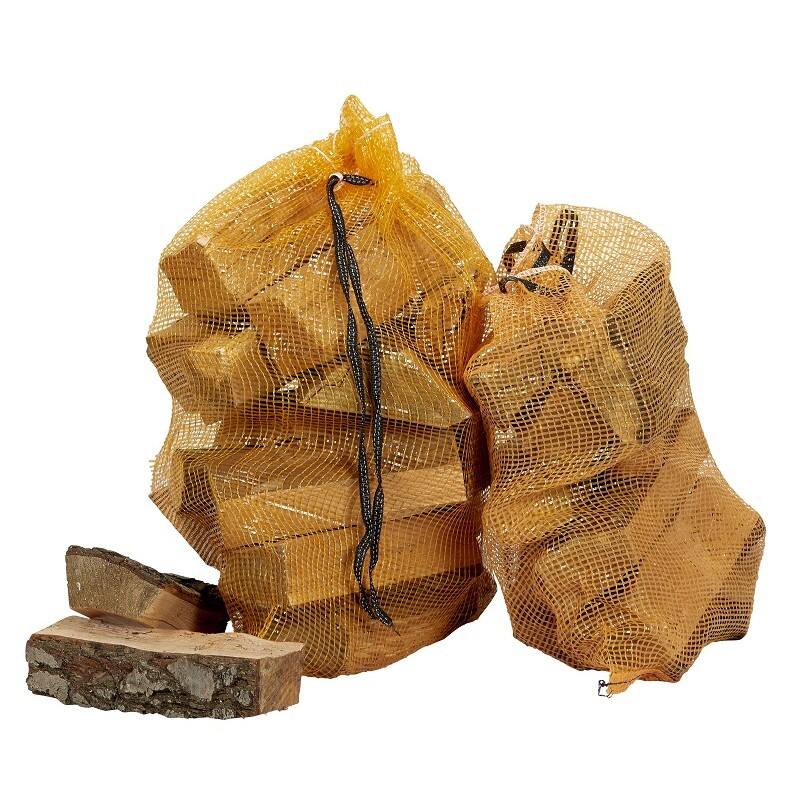
Superior Airflow and Moisture Management with Firewood Mesh Bags
How Breathability Prevents Mold, Rot, and Quality Degradation in Transit
Mesh bags for firewood are made with an open weave design that lets air flow freely around the logs when they're being transported or stored somewhere. This ventilation cuts down on humidity inside the bag by roughly 40 to maybe even 60 percent compared to those sealed alternatives we all know too well. And this matters because without proper airflow, things get pretty damp inside there, creating the perfect environment for mold to grow and wood to start rotting. When microbial growth is kept at bay, the wood stays in better condition overall and burns more efficiently too. According to some industry numbers from Ponemon back in 2023, businesses lose around seven hundred forty thousand dollars each year just from spoiled firewood due to moisture issues. People who actually use these mesh bags report fewer problems with wet or broken down wood, sometimes as much as two thirds fewer complaints in practice.
Mesh vs. Plastic vs. Burlap: Comparative Data on Moisture Retention and Drying Rates
Material choice directly affects preservation outcomes. The following comparison highlights key performance differences:
| Material | Moisture Retention (%) | Drying Time (Days) | Mold Incidence Rate |
|---|---|---|---|
| Mesh Bags | 12−18 | 3−5 | <5% |
| Plastic Sacks | 45−60 | 14−21 | 62−78% |
| Burlap Sacks | 25−35 | 7−10 | 28−42% |
Data source: 2023 Wood Commodity Transport Study
Mesh bags outperform alternatives due to engineered ventilation. Plastic traps humidity, creating anaerobic decay conditions; burlap’s dense weave restricts airflow. Only mesh sustains consistent cross-ventilation—cutting drying time by 25% versus burlap and 80% versus plastic. This translates to lower rejection rates, extended shelf life, and fewer quality-related returns.
Structural Durability and Operational Safety of Firewood Mesh Bags
Tensile Strength, Load Distribution, and Compliance with FIBC Standards (800−1200 kg)
Firewood mesh bags are made using strong polypropylene material that spreads out the weight so there aren't any weak spots where regular bags tend to tear when loaded down too much. The ones that have proper certifications actually follow FIBC or Flexible Intermediate Bulk Container guidelines, which means they can safely hold between 800 to 1200 kilograms worth of firewood. These bags also feature extra strong seams and special weaving techniques that keep them intact even when being moved around or transported. According to some recent studies from the Logistics Safety Review back in 2023, these reinforced designs cut down on accidents where wood might spill out during transport by about half again what happens with cheaper, uncertified options on the market today.
Integrated Lifting Loops, Pallet Compatibility, and Controlled Bottom Discharge
Four integrated safety features streamline bulk handling and reduce injury risk:
- Steel-reinforced lifting loops enable secure forklift or crane attachment without tearing
- Standardized dimensions ensure seamless pallet integration, minimizing manual repositioning
- Lock-stitched bottoms resist compression forces during stacking
- Controlled discharge mechanisms allow gradual unloading, preventing log avalanches
Together, these features cut workplace injuries by 34% in bulk firewood operations (OSHA 2023), prioritizing both operator safety and load stability during vertical transfers.
Logistical Efficiency Gains from Using Firewood Mesh Bags
Reduced Loading/Unloading Time and Labor Costs vs. Traditional Bundling Methods
Firewood mesh bags accelerate loading by 30−50% compared to manual twine bundling or strapping. Integrated lifting loops and standardized sizing support direct forklift handling—eliminating labor-intensive repositioning. Based on 2023 forestry operational benchmarks, this reduces labor costs by $18−$25 per ton. Additional efficiencies include:
- Pallet-free stacking: Vertical compression stability enables 40% denser trailer loads
- One-step discharge: Bottom-release designs cut unloading time by 70%
- Reusability: Proven durability across 200+ handling cycles versus single-use alternatives
Real-World Impact: 63% Reduction in Transit Damage for Regional Distributors
A 12-month Midwest distributor study (2024) found reinforced mesh bags reduced split logs and crushed edges by 63% versus rigid crates. Flexible containment absorbs shifting loads, while breathability prevents internal condensation that weakens wood fibers. Distributors reported:
- 17% lower insurance premiums, driven by fewer damage claims
- $740k annual savings in replacement costs (Ponemon 2023)
- 28% faster inventory turnover, thanks to streamlined quality inspections
These gains contribute directly to 19% higher profit margins for high-volume transporters.
Sustainability and Cost-Effectiveness of Firewood Mesh Bags Over Time
The benefits of firewood mesh bags really stand out when looking at both environment and wallet impacts over time. These bags are constructed from polypropylene that can actually be recycled, which means no more tossing away those single use plastic wraps after each delivery. Considering most plastics worldwide end up in landfills since barely 9 percent gets recycled according to EPA data from 2022, this is pretty significant progress. What makes them even better is how tough they are against wear and tear. We're talking about at least fifty times before needing replacement, which cuts down on buying new stuff compared to traditional burlap sacks by around seventy percent. The real money saver comes from day to day operations though. Those handy loops built right into the design plus uniform sizes mean workers spend forty percent less time loading trucks instead of wrestling with loose bundles. Combine all these factors together and many companies find themselves getting their initial investment back within just eighteen months or so, turning what seems like an extra expense into something that pays for itself eventually despite some upfront costs involved initially.
Frequently Asked Questions
Why are firewood mesh bags more effective than plastic or burlap?
Mesh bags allow superior airflow, significantly reducing moisture retention and drying times compared to plastic and burlap options. This prevents mold growth and maintains wood quality.
What safety features do mesh bags offer?
They include steel-reinforced lifting loops, standardized dimensions for pallet integration, lock-stitched bottoms, and controlled discharge mechanisms to enhance safety during transport and handling.
How do mesh bags enhance logistical efficiency?
These bags expedite loading and unloading times, reduce labor costs, and support denser stacking and one-step discharge, improving overall operational efficiency.
Are mesh bags environmentally friendly?
Yes, mesh bags are made from recyclable polypropylene, reducing waste and contributing to sustainability.