 EN
EN

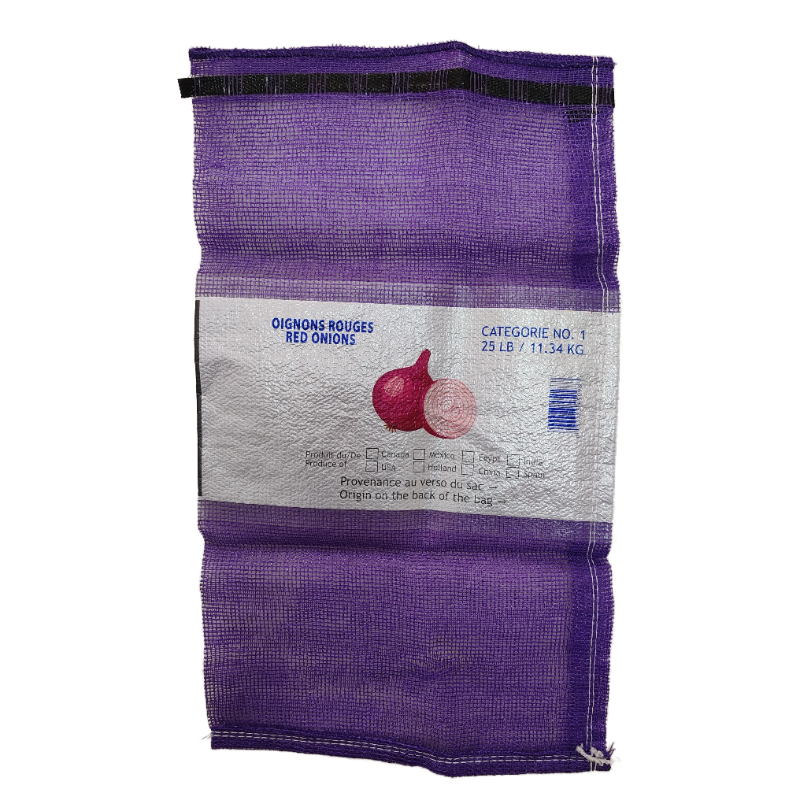
Why Sacos Malla Deliver Unmatched Durability for Grain Storage
Polypropylene Weave Technology: Tensile Strength and UV Resistance Explained
Sacos malla are made using high density polypropylene (PP) weaving tech which gives them real strength when storing and moving grains around. These synthetic fibers lock together to create something pretty tough that can handle weights between 50 to 60 kilograms without ripping apart. That kind of strength matters a lot when dealing with large quantities of agricultural products. Regular natural fibers just cant compete because they soak up moisture so easily. Plus, PP comes with those UV inhibitors already built in, so it doesnt start breaking down after sitting out in the sun for too long. This means these bags stay strong even when left outside for months at a time, lasting about three to five extra years over old fashioned jute or burlap sacks. And there's another thing worth mentioning too the open knit pattern actually cuts down on friction when stacking bags on top of each other. This helps keep seams from failing, which accounts for roughly seventeen percent of all grain losses we see with regular packaging options.
Real-World Impact: 22% Reduction in Post-Harvest Loss Among Colombian Coffee Cooperatives
Coffee growers in Colombia saw their post harvest losses drop by around 22% last year when they switched from old fashioned burlap sacks to these new mesh sacos malla bags. The traditional bags held onto too much moisture, causing mold problems that ruined about 30% of the beans sitting in storage. Farmers noticed something else too those reinforced seams on the new bags held up much better during the tough mountain transports where regular sacks would often burst open, sometimes as many as 15% of them getting damaged along the way. All this extra durability meant real money savings for the growers. On average, each ton of coffee kept about $740 in revenue intact according to research from Ponemon Institute back in 2023. Plus, since these mesh bags could be reused multiple times, waste went down by nearly half.
How Sacos Malla Enable Natural Grain Preservation Through Controlled Ventilation
The Humidity Challenge: Why Traditional Bags Promote Mold and Spoilage
Regular woven polypropylene bags basically cut off air movement, so they trap moisture inside and create these little pockets where humidity gets way too high. We're talking about levels that often go past 14%, which is actually the point where mold starts growing and those harmful toxins begin developing. When air can't circulate properly, things spoil much faster. Studies show that in places with lots of humidity, farmers lose around 30% of their grain every year because of this problem. Sacos Malla solves this issue with its special mesh design that lets air flow through continuously. This stops condensation from forming and reduces the chances of chemical breakdown happening inside the bag. Coffee growers in Colombia saw their losses drop by 22% after switching to these breathable sacks. Better ventilation isn't just good for keeping food safe longer, it also helps protect what farmers earn from their hard work in the fields.
Mesh Geometry Science: Optimizing Airflow While Blocking Pests and Debris
Sacos malla employ precision-engineered mesh geometry to simultaneously optimize ventilation, pest exclusion, and debris filtration:
- Convection-driven ventilation dissipates heat and humidity via strategically placed pores that encourage directional airflow
- Pest exclusion is achieved through apertures <0.8 mm—small enough to block common grain pests like Sitophilus oryzae
- Debris filtration maintains grain purity during transport and stacking without impeding breathability
| Design Feature | Traditional Bags | Sacos Malla |
|---|---|---|
| Airflow Rate | 5—7 m³/hr/m² | 18—22 m³/hr/m² |
| Moisture Reduction (48 hrs) | <3% | >9% |
| Pest Penetration Rate | 15—20% | <2% |
This balanced design leverages PP’s inherent UV resistance and tensile strength while enabling thermal regulation—curbing temperature spikes that trigger enzymatic spoilage—all without compromising load-bearing capacity under multi-ton stacking conditions.
Balancing Performance and Practicality: Addressing Limitations of Sacos Malla
Fine-Grain Leakage: When Mesh Openings Compromise Integrity for Millet and Sorghum
Sacos malla work great for medium to large grain crops but struggle with finer seeds such as millet which measures around 1.5 to 2.5 mm and sorghum at approximately 2 to 3 mm. When moving or stacking these smaller grains, they tend to slip right through regular mesh openings causing noticeable losses and potential contamination issues. If we tighten the weave to stop this leakage, we lose one of the main benefits of sacos malla altogether - the free airflow that keeps moisture levels under control. According to those working in agricultural engineering, solving this problem requires something beyond simply making the mesh tighter. They need real structural changes that maintain proper ventilation while still keeping those tiny seeds contained during transportation and storage.
Innovation Spotlight: Hybrid Sacos Malla with Internal PP Liners for Leak-Proof Breathability
The hybrid sacos malla tackle the problem of fine grain leakage with their dual layer construction. The outer layer is made from woven polypropylene mesh that gives good structural strength and protects against UV damage. Inside there's a micro-perforated polypropylene liner that keeps everything contained. These laser cut holes are smaller than half a millimeter, so they stop even tiny grains like millet from escaping, yet still allow for vapor transmission rates over 450 grams per square meter per day. What makes these bags really effective is that they maintain proper air circulation throughout, which helps prevent mold growth as traditional breathable packaging does. Field tests by independent researchers showed almost no grain loss when transporting millet, with vibrations mimicking real world conditions. There was also about a quarter less spoilage due to humidity compared to completely sealed containers. This kind of innovation means sacos malla work well not just for certain grains but across all types of cereal crops.
FAQ
What is sacos malla?
Sacos Malla are mesh bags made from high-density polypropylene designed for storing and transporting grains like coffee and cereal crops while allowing controlled ventilation to reduce spoilage.
Why are sacos malla effective for grain storage?
Sacos Malla boast high tensile strength and UV resistance due to their polypropylene weave, reducing the risk of tearing while maintaining durability in various weather conditions.
Can sacos malla be used to transport all types of grains?
While sacos malla work well for medium to large grains, smaller grains like millet might require hybrid sacos malla, which include an internal PP liner to prevent leakage.
How do sacos malla help in reducing grain spoilage?
Sacos malla allow for continuous airflow through their mesh design, minimizing moisture build-up and the chances of mold formation inside the bags.