 EN
EN

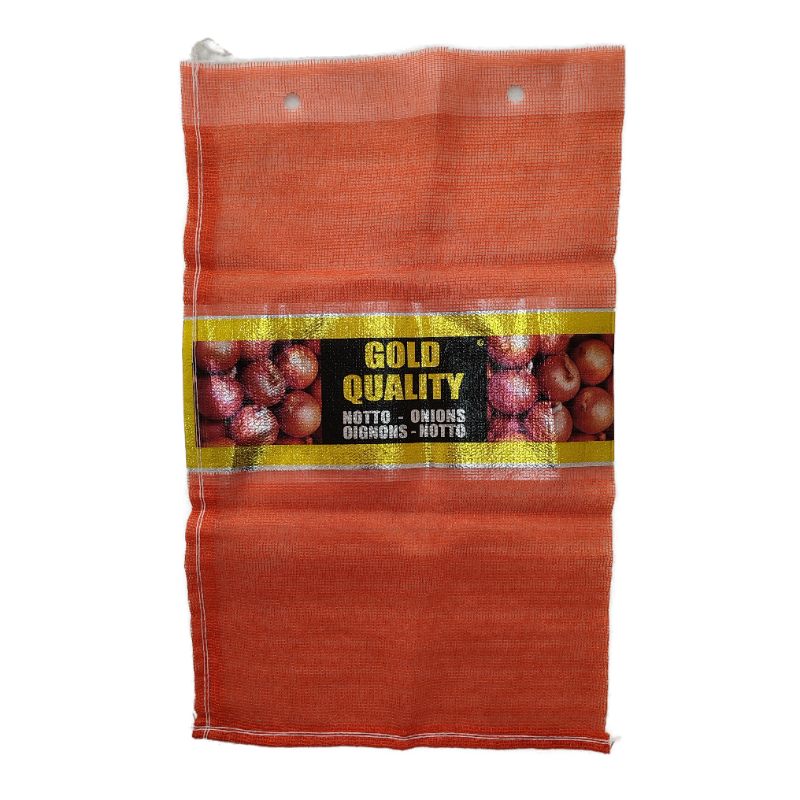
Superior Breathability and Freshness Preservation with PP Mesh Bags
How Air Circulation Extends Shelf Life by Preventing Mold and Decay
Polypropylene mesh bags have an open weave design that lets air circulate freely around fruits and vegetables, which helps stop moisture from building up. About 45 percent of fresh food goes bad because of dampness getting trapped, creating the perfect environment for microbes to grow. That's why good ventilation matters so much in stopping rot. Solid packaging creates dark, moist spots where mold loves to grow, but mesh prevents those conditions entirely. Research indicates that storing food in breathable containers cuts down on decay by around 30% when compared to tightly sealed options. Plus, these mesh bags allow produce to breathe naturally without making surfaces wet, something regular plastic just can't do.
Ethylene Management: How PP Mesh Bags Slow Ripening Without Trapping Gas
Most fruits and veggies give off ethylene gas as they mature, which speeds up ripening but can actually damage produce when it builds up too much. Regular plastic wrap just locks all that gas inside, making things go bad faster than they should. That's where PP mesh bags come in handy. The weave lets some of the ethylene escape while still keeping air circulating around the food. For stuff sensitive to ethylene like spinach or kale, this simple trick can keep them fresh looking and tasting good for an extra three to five days compared to regular packaging methods. And best part? The bags stay strong enough to protect what's inside during transport and storage.
Balanced Humidity Control: Minimizing Condensation While Avoiding Desiccation
Keeping the right amount of moisture in the air around fruits and veggies, somewhere between 85 to 95 percent humidity, stops two main ways food goes bad: when things get too wet and start rotting from condensation, or when they dry out and become wilted. These special PP mesh bags work really well because they soak up extra moisture but don't let much escape back into the environment. Tests done by third parties found that fruits kept in these mesh containers stay crunchier for longer compared to those stored in plastic packaging, about 12 percent better actually. The way air moves through these bags is carefully controlled so it helps slow down the loss of internal moisture without creating puddles on the surface, which means the produce stays fresh looking and firm for much longer no matter what kind of fruit or vegetable we're talking about.
Food-Safe, High-Strength Construction of PP Mesh Bags
FDA- and EU-Compliant Food-Grade Polypropylene: Zero Leachables, Full Traceability
Polypropylene mesh bags get made using resins that meet both FDA regulations under 21 CFR 177.1520 as well as EU standards set out in Regulation (EC) No. 10/2011. These standards help ensure chemicals don't migrate into fruits and vegetables even after long periods of contact. Independent labs have actually tested these materials extensively, running over fifty different cycles and finding absolutely no traces of harmful substances like heavy metals or phthalates. Each batch comes with its own unique QR code, which allows tracking back through every step of production right down to where the original polymer came from. And speaking of safety standards, recent tests conducted by the Produce Safety Lab in 2023 showed something concerning - they detected plasticizers in about one out of every eight regular plastic bags they examined. So when we talk about going beyond basic requirements, our approach definitely stands out in comparison.
Proven Load Capacity and Tear Resistance: Supporting >50 kg in Bulk Handling and Transport
Testing according to ASTM D5034 shows these materials can handle loads over 50 kg, which is roughly what 200 apples would weigh, all without any seams giving way. What makes this possible? The special knitted mesh spreads out pressure so it doesn't concentrate anywhere, making it tough against punctures from things like stems, husks, or even rough warehouse floors. Regular woven options just don't compare because polypropylene has a unique molecular makeup that keeps it flexible whether it's freezing cold at –10°C or quite warm at 50°C. This means farmers can safely stack and move root vegetables and melons without worrying about damage during transport. Recent tests conducted at University of AgriTech in 2024 found that this kind of durability actually cuts down on spillage losses by around 17%. And speaking of durability, these materials hold up incredibly well too. They've been put through more than 30 industrial washing cycles and still perform exactly as they did when new.
Produce-Specific Performance Across Key Categories
Fruits and veggies need different storage setups, and PP mesh bags actually work pretty well across categories without needing lots of different packaging options. Take root veggies like potatoes and onions for instance. The mesh lets air circulate so they don't get too damp, which is important because these guys keep breathing after harvest. Stone fruits are another story altogether. Peaches especially tend to soften quickly when ethylene builds up, but the mesh slows this process down while keeping those delicate skins from drying out. Leafy greens last longer too, about 30% less spoilage from condensation compared to plastic bags according to some research from Postharvest Biology in 2023. And let's not forget about heavier stuff like melons. These bags hold up against serious weight, staying intact even when stacked with over 50kg pressure on them during transport.
Operational Efficiency and Sustainability Advantages of Reusable PP Mesh Bags
Real-Time Visual Inspection and Streamlined Inventory Tracking via Translucent Design
With its see-through open weave design, workers can quickly check what's inside without having to actually open the bags when doing their regular quality checks or when auditors come around. This saves a lot of time spent handling products, maybe as much as 40 percent according to some reports, and makes it easier to spot things like what kind of fruit is in there, how many pieces, and whether any are starting to go bad with mold spots or bruises showing through. Retailers that switched to these transparent bags noticed their stock moved out about 30% quicker than before, which means less food ends up getting thrown away. The big plus is that unlike those dark plastic bags that trap moisture, these let air circulate so rotten areas don't hide underneath where nobody can see them developing.
Lifecycle Economics: Wash-and-Reuse Durability vs. Single-Use Plastic Waste Reduction
PP mesh bags can handle well over 200 industrial washes without losing their shape or strength. Independent tests have shown these bags only lose about 5% of their tensile strength even after being used 50 times with loads up to 50 kg. Looking at the whole life cycle tells us something interesting too. Each time we use one of these reusable bags instead of disposable ones, we're basically keeping around 1,100 single use plastic bags out of landfills. Some recent studies on waste reduction point to pretty impressive numbers when companies switch to reusables. We see roughly an 80% drop in carbon emissions related to packaging and almost 80% less plastic waste moving through our supply chains. And what happens when these bags finally reach the end of their useful life? Well, polypropylene is completely recyclable. The material retains all its value and fits right into existing recycling systems without any issues.
FAQs about PP Mesh Bags
What are PP mesh bags used for?
PP mesh bags are used for storing and preserving fruits and vegetables. They are designed to enhance air circulation and slow down the ripening process by managing ethylene gas emissions.
How do PP mesh bags help in preserving the freshness of produce?
PP mesh bags offer superior breathability which helps in preventing moisture buildup. They manage ethylene emissions by allowing gas to escape, thereby extending the shelf life of produce without trapping unwanted condensation.
Are PP mesh bags safe for food storage?
Yes, PP mesh bags are made using food-grade polypropylene and comply with both FDA and EU safety standards. They have been extensively tested to ensure no harmful chemicals leach into the produce.
Can PP mesh bags be reused?
PP mesh bags are highly durable and are designed to be reused. They can withstand over 200 industrial washes without losing their shape or strength, greatly reducing single-use plastic waste.