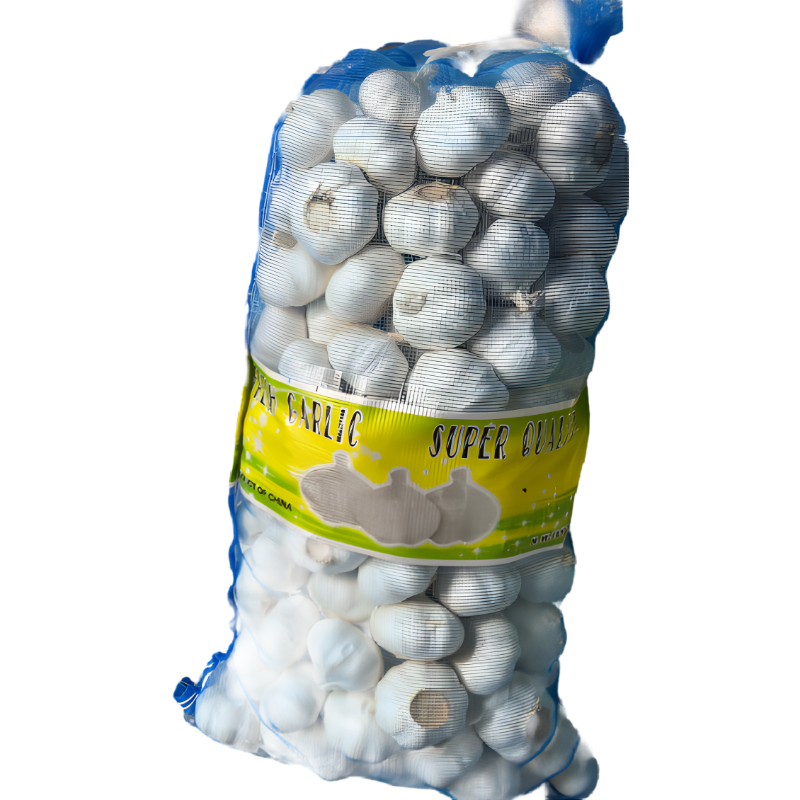
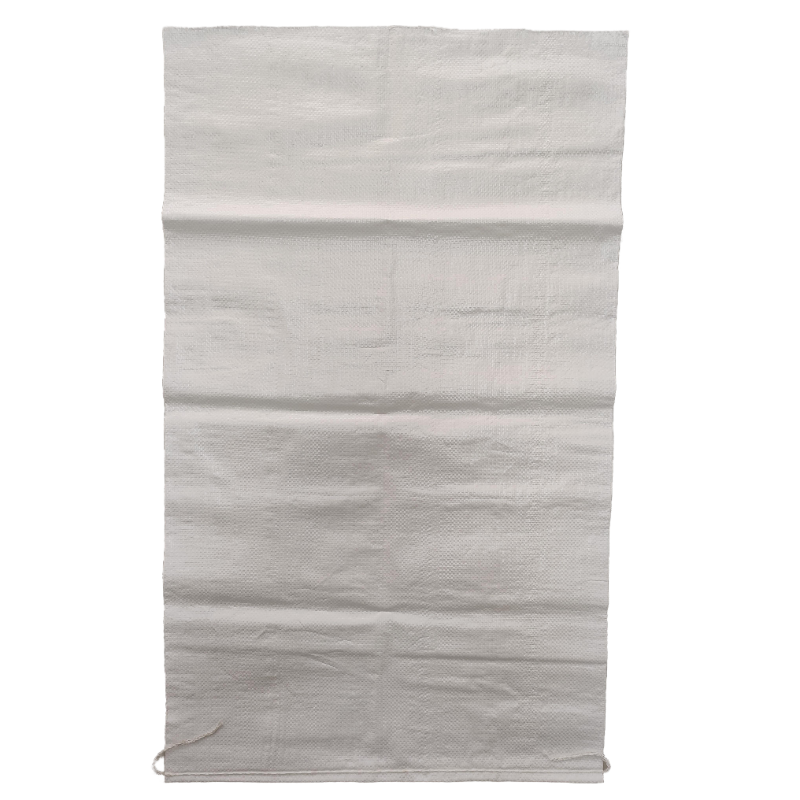
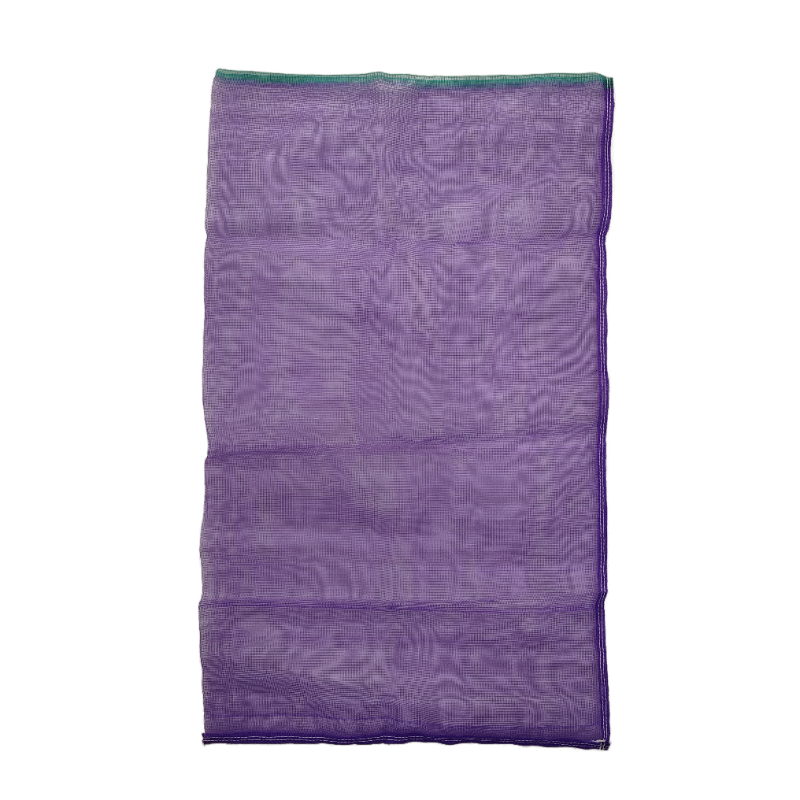
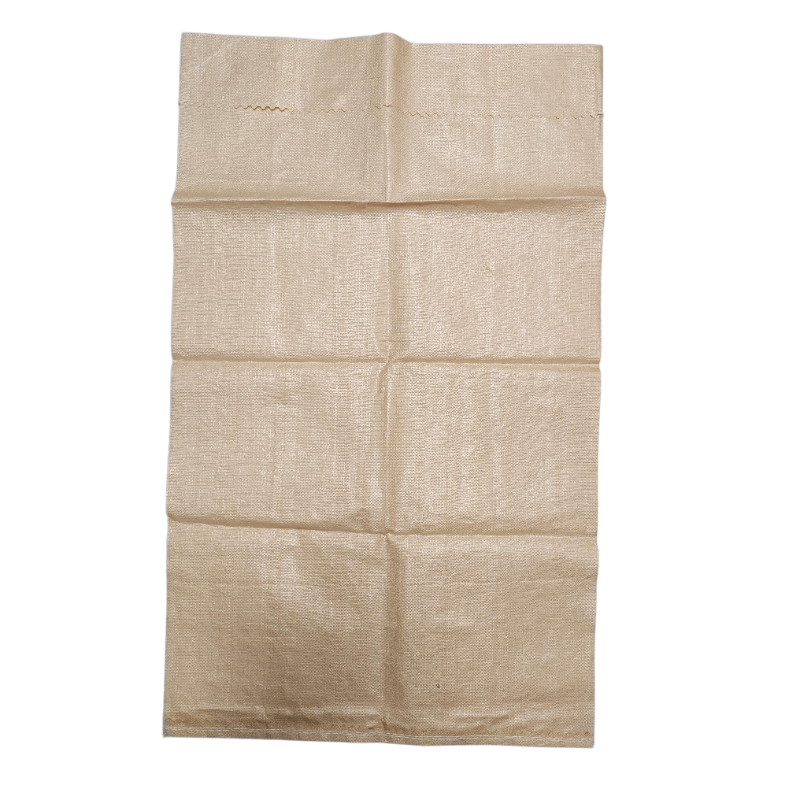
The future of the vegetables bag is poised for transformative change, driven by advancements in material science, digital technology, and sustainability imperatives. The next generation of vegetables bags will be smarter, greener, and even more functionally integrated into the supply chain. A major area of innovation is in advanced polymers. Beyond today's biodegradable and compostable plastics, research is focused on bio-based polymers derived from non-food sources like seaweed, agricultural waste, or even captured carbon dioxide. The goal is a vegetables bag with the performance of conventional plastic but with a dramatically reduced environmental footprint and a truly circular end-of-life. Another frontier is active and intelligent packaging. Future vegetables bags may incorporate built-in, non-migrating antimicrobial agents to actively fight spoilage microbes on the produce surface. Intelligent sensors printed directly onto the bag could monitor temperature abuse or spoilage gases like ethylene or ammonia, providing a visible color-change indicator to signal freshness or warn of spoilage to distributors and consumers. The integration of digital technology will deepen. QR codes will evolve into digital watermarks or NFC (Near Field Communication) chips embedded in the vegetables bag. These could store a wealth of data about the product's journey and be read automatically by cameras in retail stores for instant inventory management and dynamic pricing, or by consumers' smartphones for an enhanced interactive experience. The concept of the vegetables bag as a reusable or returnable asset is also gaining traction. Durable, woven PP bags could be designed for multiple trips between packers and retailers within a closed-loop system. This would require standardization and logistics partnerships but could significantly reduce single-use packaging waste. Personalization and on-demand manufacturing represent another future trend. With advances in digital printing, it may become economically feasible to produce very small batches of custom-printed vegetables bags, allowing for hyper-targeted marketing or regional promotions without the need for massive minimum order quantities. Finally, the drive for light-weighting will continue, using stronger polymers and smarter designs to further reduce the amount of material in each vegetables bag without compromising performance, thereby lowering resource use and transportation emissions. At Zaozhuang Jindalai Plastics Co., Ltd., we are actively investing in R&D and collaborating with technology partners to stay at the forefront of these innovations. Our commitment is to not only meet the current needs of the market but to anticipate and shape the future of the vegetables bag. To learn more about our vision for the future and our ongoing development projects, we welcome your inquiry.