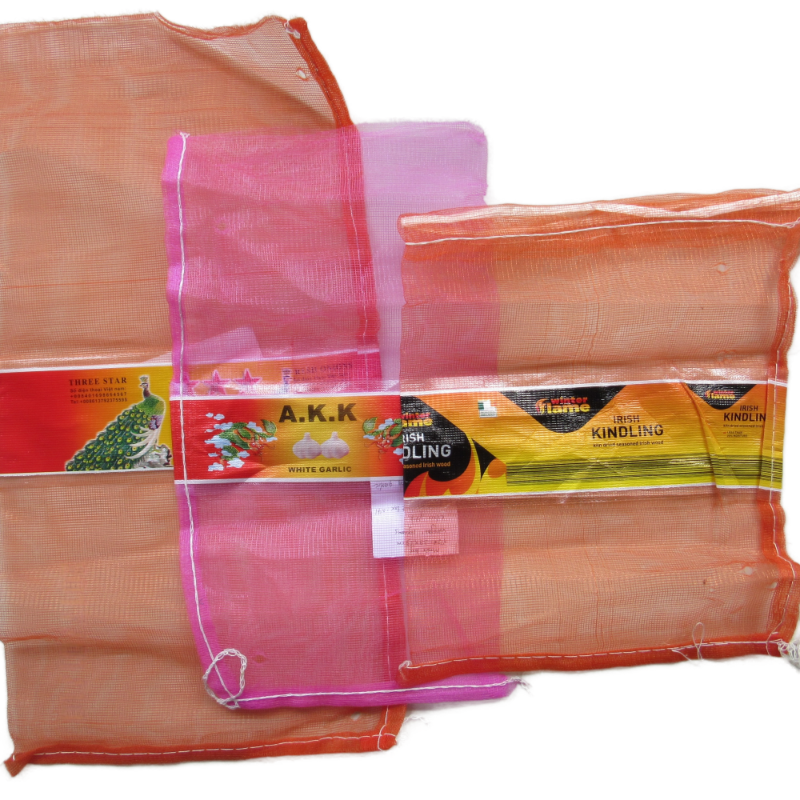
The regulatory landscape governing the production and composition of a vegetables bag is complex and varies by region, encompassing food safety, material composition, and environmental mandates. Compliance is not optional; it is a fundamental requirement for market access and consumer trust. As a manufacturer serving a global clientele, we maintain a proactive stance on regulatory adherence. The foremost concern is food contact compliance. The polymers and additives used in a vegetables bag must be approved for direct contact with food in the target market. In the United States, this means compliance with the U.S. Food and Drug Administration (FDA) regulations, typically under Title 21 of the Code of Federal Regulations. Materials must meet specific thresholds for extractables and must be manufactured under GMP. In the European Union, regulation (EC) No 1935/2004 provides the framework, and compliance often requires a Declaration of Compliance (DoC) for the materials. Similar stringent regulations exist in Canada, Australia, Japan, and other major markets. The printing inks used on a custom vegetables bag are also subject to regulation. They must be formulated from ingredients that are safe and must not migrate from the bag into the food, especially under typical storage conditions. We use only low-migration, compliant inks from reputable suppliers. Beyond food safety, environmental regulations are increasingly impactful. The European Union's REACH regulation (Registration, Evaluation, Authorisation and Restriction of Chemicals) restricts the use of certain hazardous substances. We ensure our vegetables bags are free from substances of very high concern (SVHCs) above the threshold limits. Regulations regarding plastic packaging waste, such as Extended Producer Responsibility (EPR) schemes, are also becoming common. These policies make producers financially responsible for the collection and recycling of their packaging. We monitor these developments to advise our clients on the compliance of our products in different jurisdictions. For claims such as "recyclable," "biodegradable," or "compostable," specific legal standards must be met. A vegetables bag cannot be marketed as "compostable" unless it meets a recognized standard like ASTM D6400 or EN 13432 and is certified by a third party. We provide accurate and verified information for any environmental claims associated with our products. Navigating this complex regulatory environment requires dedicated expertise. Our quality assurance and regulatory affairs teams are tasked with continuously monitoring global standards and ensuring that our vegetables bags are manufactured in full compliance. This provides our clients with the confidence that the packaging they purchase will meet the legal requirements of their market. For specific regulatory questions pertaining to your target market, please contact us for detailed documentation and certificates of compliance for our vegetables bags.