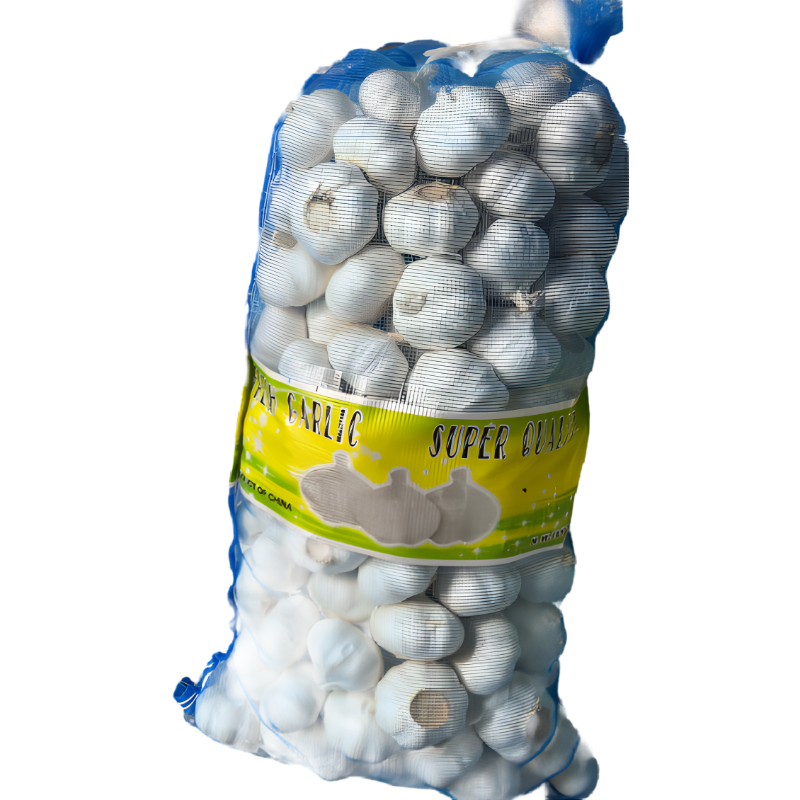
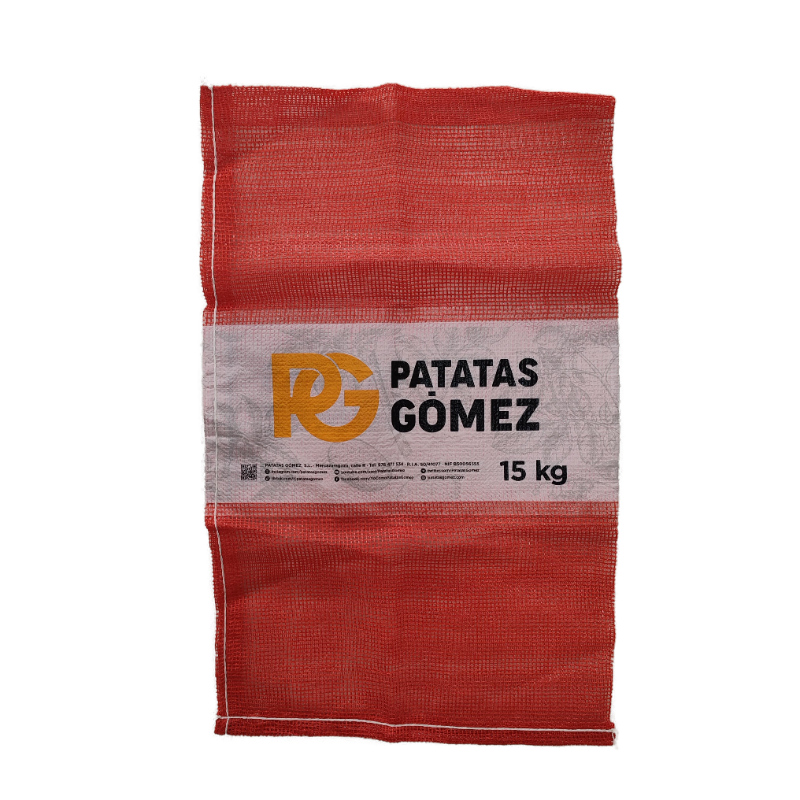
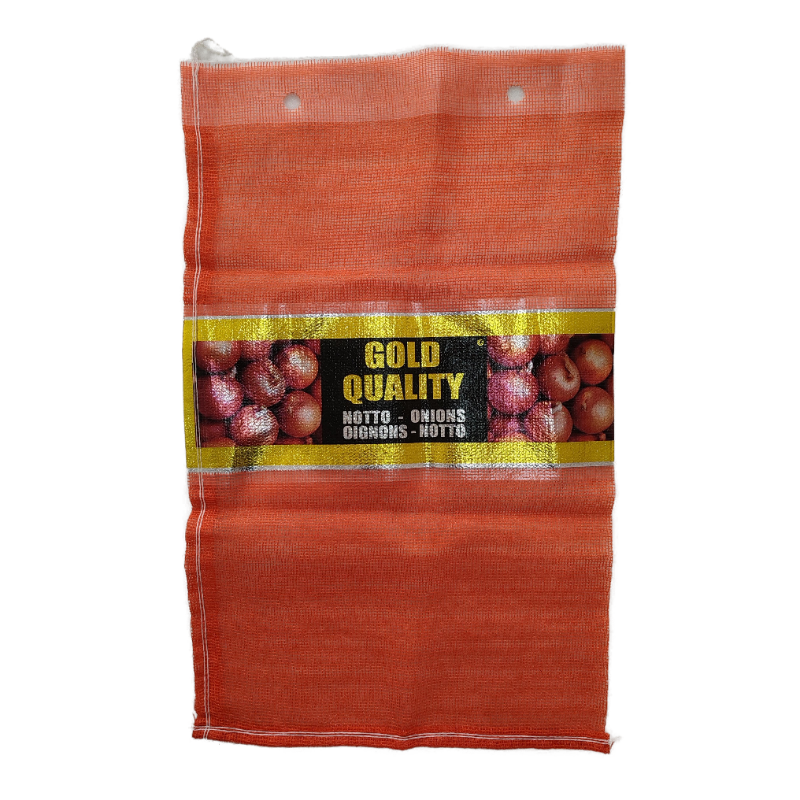
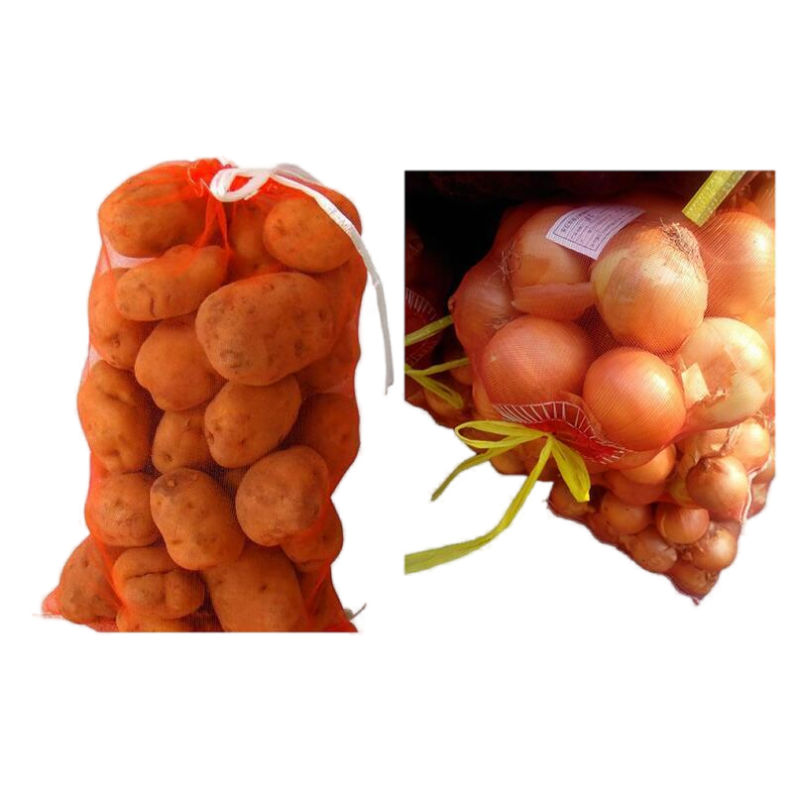
The design and functionality of a vegetables bag have a direct and measurable impact on the consumer experience, influencing purchasing decisions, satisfaction, and likelihood of repurchase. The moment a consumer interacts with a vegetables bag in a store, a series of subconscious judgments are made about the product inside. A clean, well-designed, and sturdy vegetables bag conveys a message of quality and care. Consumers associate the condition of the packaging with the freshness of the contents. A vegetables bag that is torn, dirty, or poorly printed suggests negligence and raises concerns about the quality and safety of the produce. Conversely, a pristine, professionally presented vegetables bag inspires confidence and justifies a higher price point. Ease of use is a critical factor. A vegetables bag that is easy to open, perhaps with a perforated tear-strip or a easy-to-grip opening, creates a positive first interaction. Bags that are frustrating to open can damage the produce as the consumer struggles to get inside, and they create a negative impression of the brand. The re-closability of a vegetables bag is a highly valued feature. Vegetables are often used incrementally. A bag with a integrated ziplock seal or a sturdy tie allows the consumer to reseal the package, keeping the remaining contents fresh and protected in the refrigerator. This functionality adds significant practical value and is a strong selling point. The informational content on the vegetables bag enhances the user experience. Clear labeling of the product type, variety, weight, and country of origin is expected. Beyond that, providing useful information such as recipes, storage tips, or a website for more information adds value and engages the consumer beyond the basic transaction. The size and portioning of the vegetables bag are also important. Offering bags in a range of sizes caters to different household needs, from single-person households to large families. A bag that contains a logical quantity for typical usage reduces food waste at the consumer level. The handle of the vegetables bag, if present, must be comfortable to carry. A thin, sharp handle can dig into the hand, especially with a heavy bag of potatoes or onions. A wide, flat, or soft-handle design improves comfort and is a detail that consumers notice and appreciate. In essence, the vegetables bag is a key interface in the consumer journey. Its design should be human-centered, focusing on convenience, information, and aesthetics. By optimizing the consumer experience through superior vegetables bag design, brands can foster loyalty and drive repeat business. We specialize in creating vegetables bags that not only protect produce but also delight and serve the end-user. To discuss consumer-focused design features for your vegetables bags, please contact us.