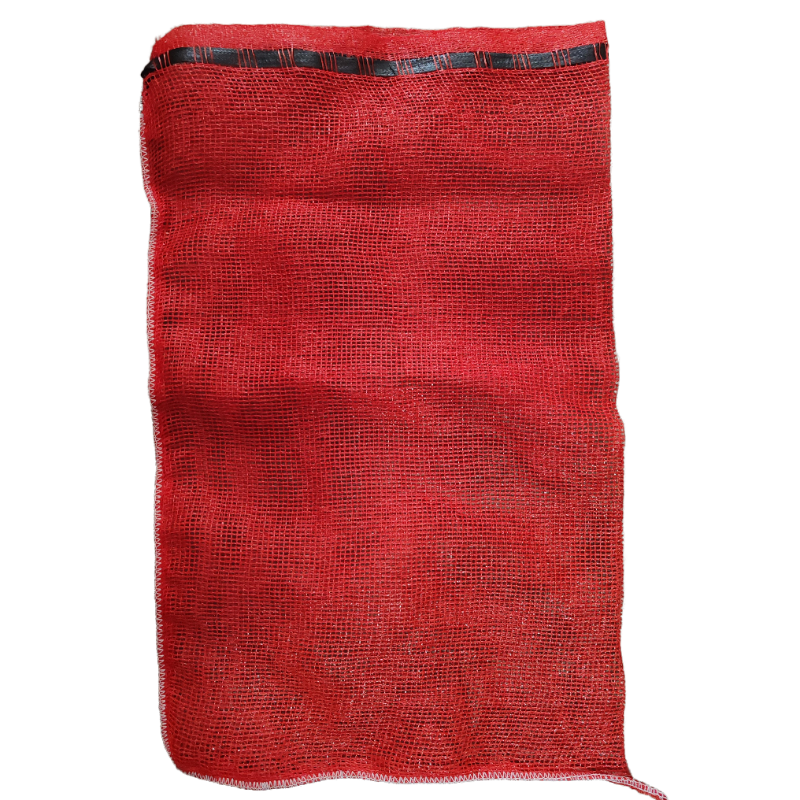
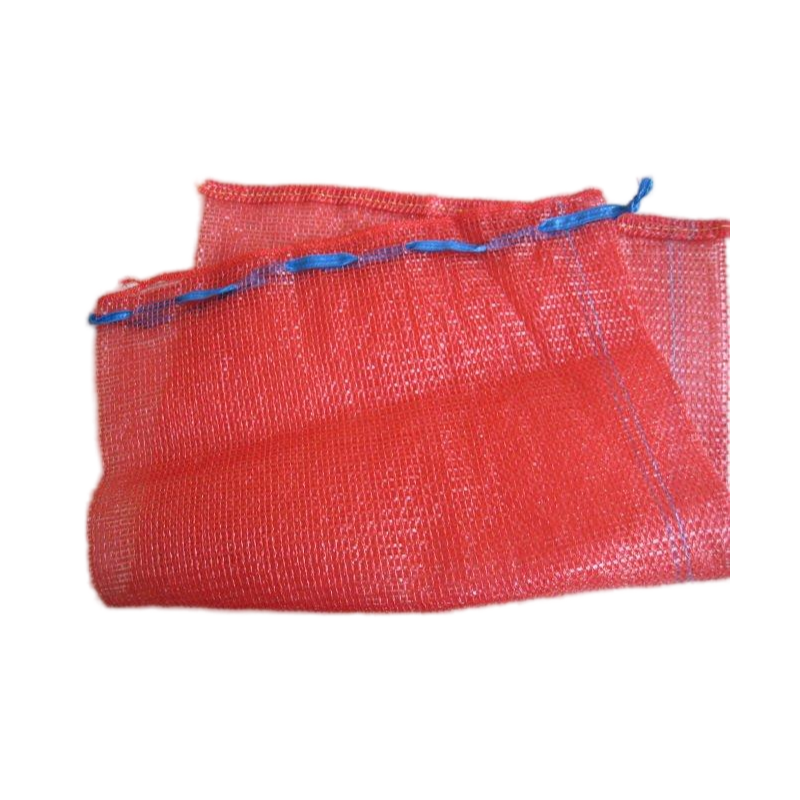
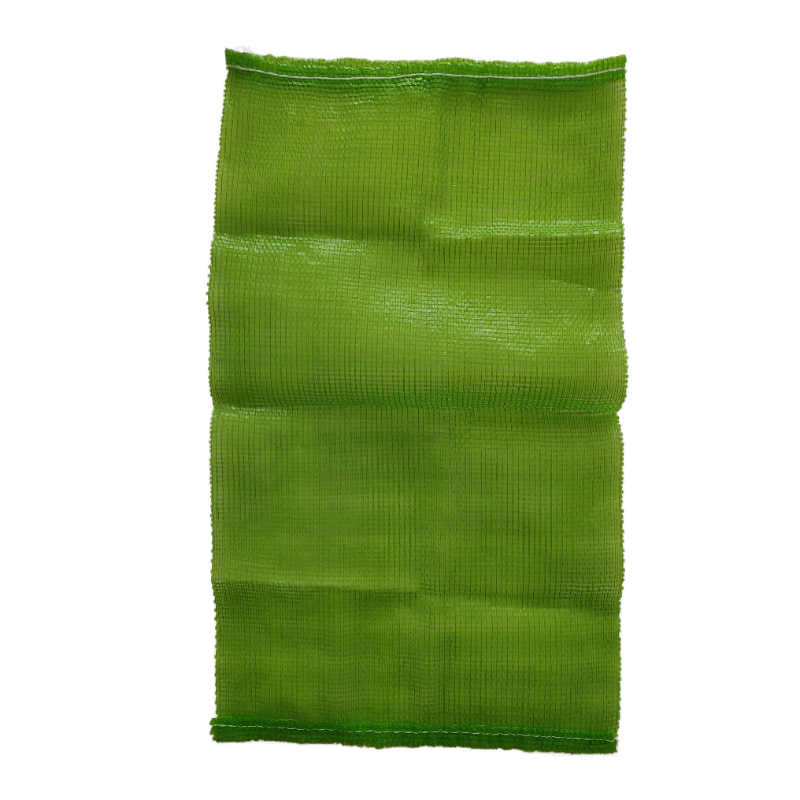
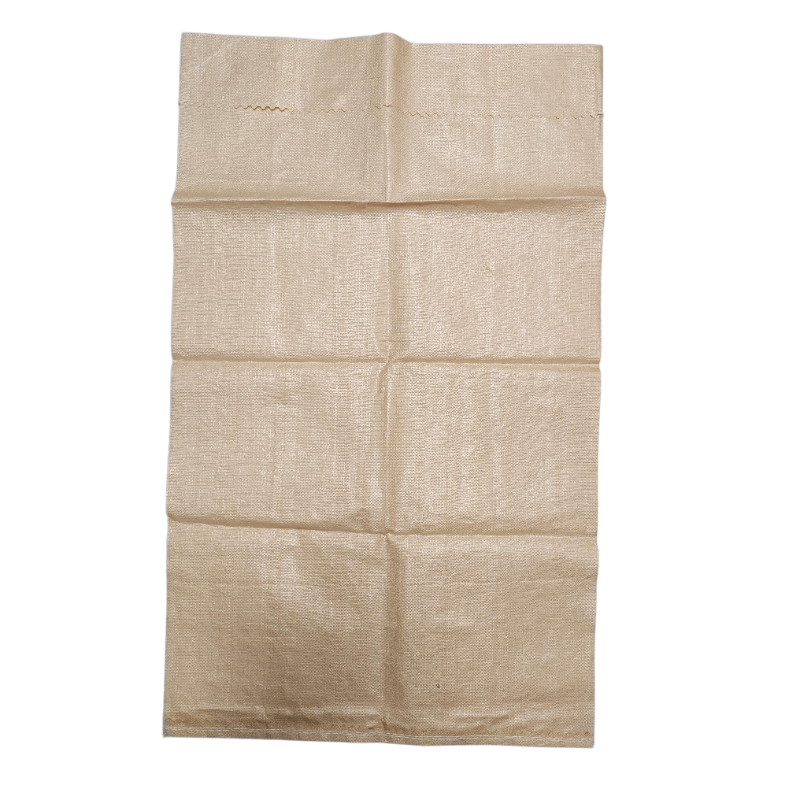
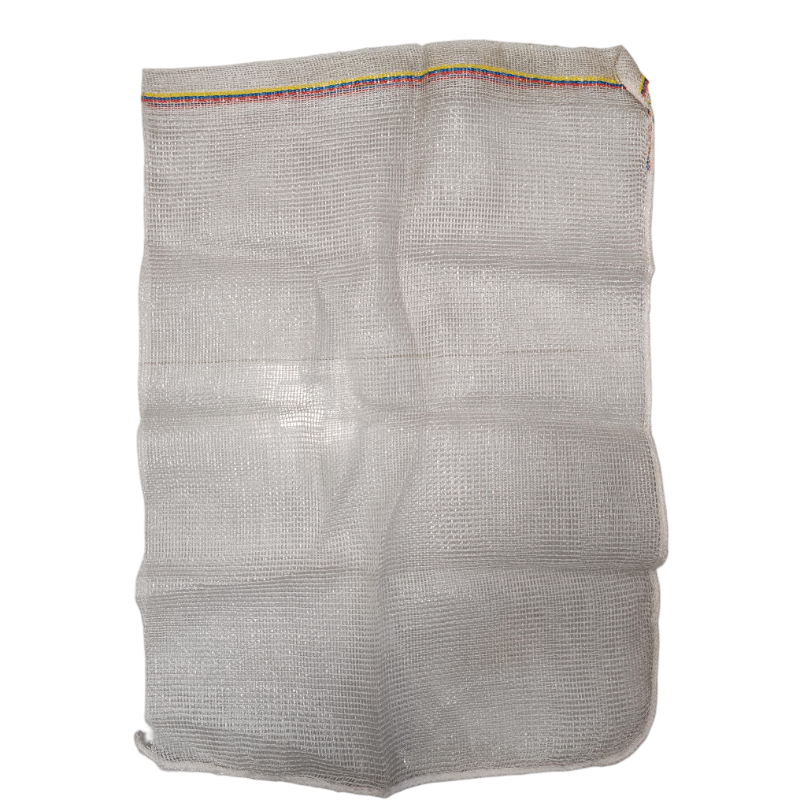
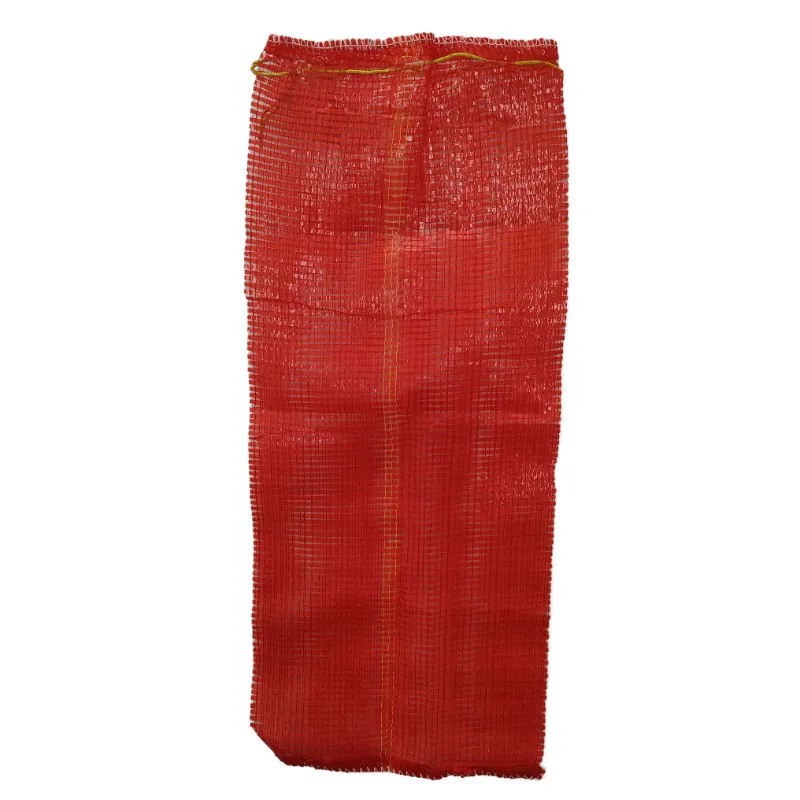
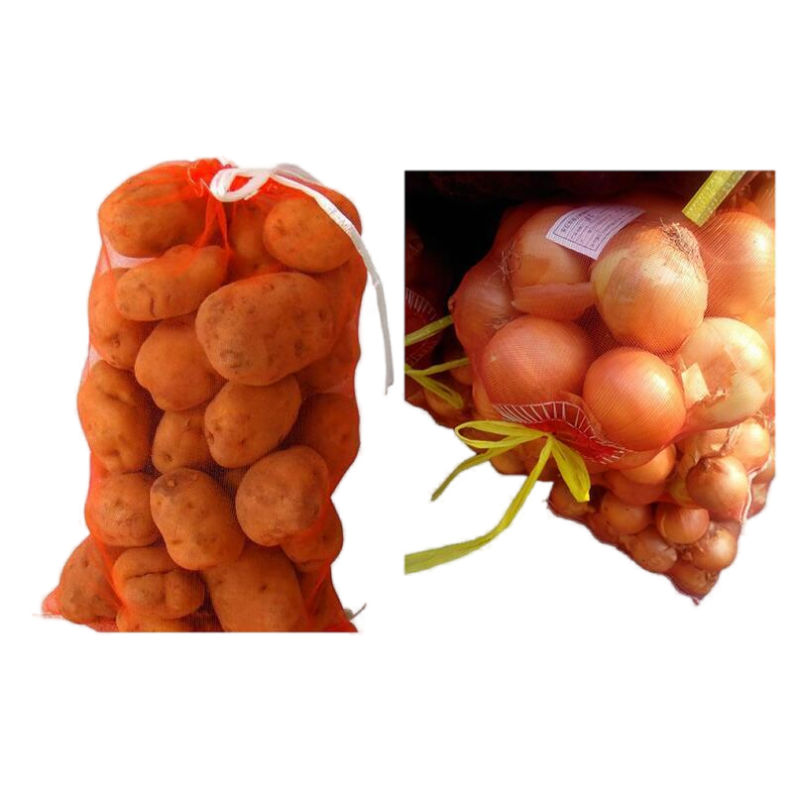
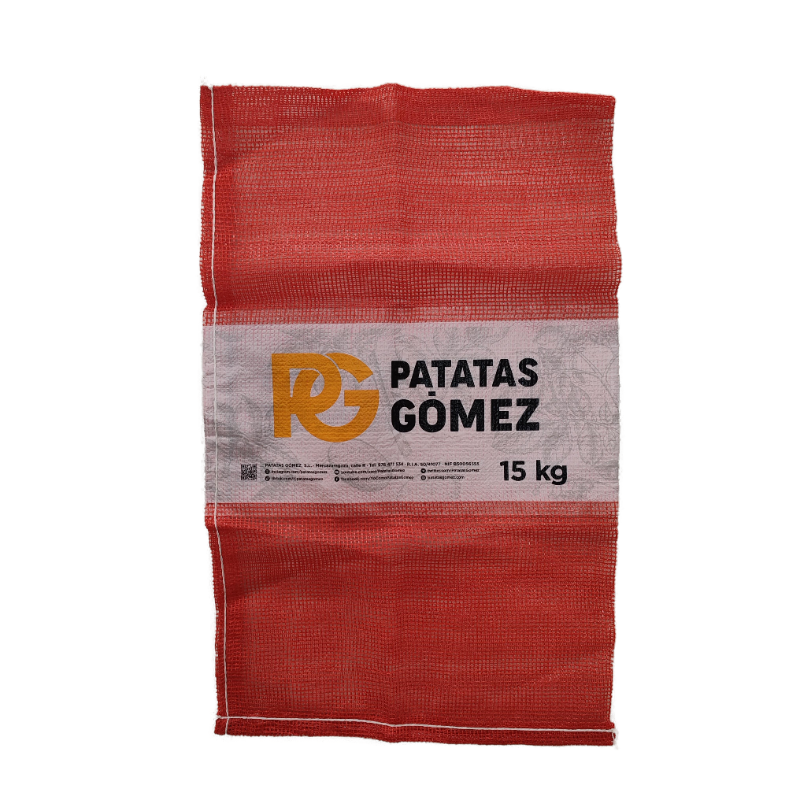
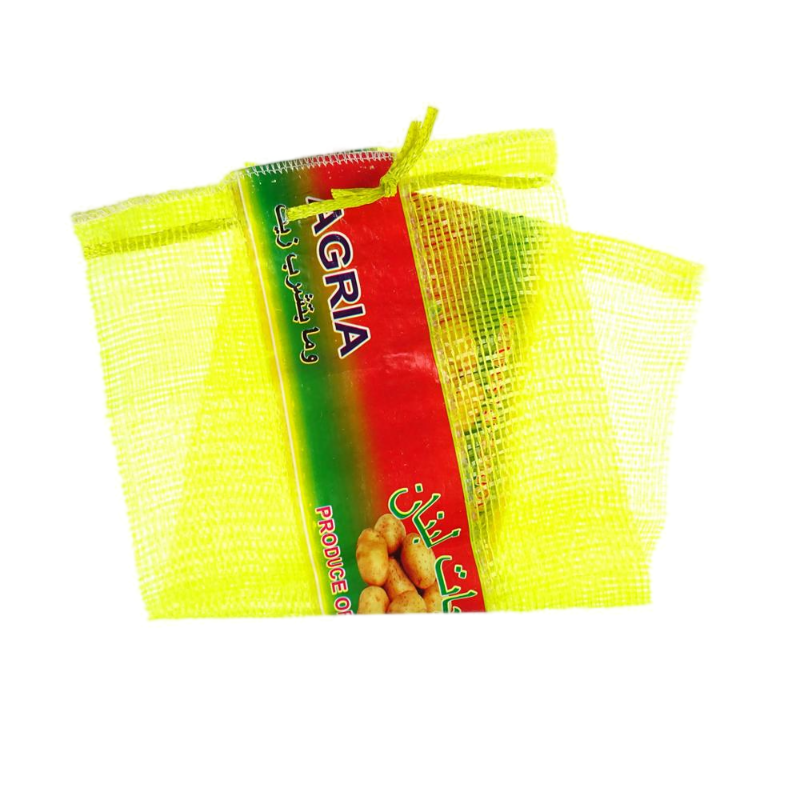
The thermal properties of a vegetables bag play a crucial role in its performance, particularly when the produce moves through the cold chain. Understanding how the bag interacts with temperature is essential for preventing condensation, maintaining strength, and ensuring proper ventilation under refrigeration. A primary concern is the prevention of condensation inside the vegetables bag. When a bag of warm produce is placed into a cold environment, the moisture in the warm air inside the bag condenses on the inner surface of the cooler plastic. This free water on the vegetables creates an ideal environment for the growth of mold and bacteria, leading to rapid spoilage. A vegetables bag designed for the cold chain must facilitate the gradual equalization of temperature or allow moisture vapor to escape. Mesh bags are highly effective here, as their open structure prevents any significant buildup of condensation. For film bags, micro-perforations are used to allow moisture-laden air to escape, thereby keeping the produce surface dry. The material's behavior at low temperatures is another critical factor. Some plastics become brittle and lose their impact resistance when chilled. A vegetables bag that is flexible at room temperature might shatter like glass if dropped from a height in a cold storage facility. The polymers we select for our cold-chain vegetables bags, such as certain types of polyethylene, are chosen for their ability to retain flexibility and toughness at temperatures as low as 0°C (32°F) or even lower. This ensures that the bag's durability is maintained throughout the refrigerated logistics process. The thermal conductivity of the bag material also affects the rate of cooling. A thin-gauge plastic vegetables bag will offer little resistance to heat transfer, allowing the produce to cool quickly once placed in a refrigerated space. This is desirable for rapid pre-cooling processes. Conversely, a very thick or insulated bag would slow down cooling, which is generally not desired for most fresh vegetables. In controlled atmosphere (CA) storage, the temperature is precisely managed, and the vegetables bag must perform consistently within this narrow temperature range. The gas transmission rates of the bag material are temperature-dependent; as temperature decreases, the permeability of most plastics also decreases. This factor must be accounted for when designing MAP (Modified Atmosphere Packaging) for cold chain products, as the equilibrium atmosphere inside the bag will be different at 5°C than at 15°C. The thermal performance of a vegetables bag is a sophisticated aspect of its design. We engineer our bags to perform predictably across the temperature ranges they will encounter, ensuring they protect rather than harm the produce they are designed to hold. For technical guidance on selecting a vegetables bag for specific cold chain requirements, our experts are available to assist you.