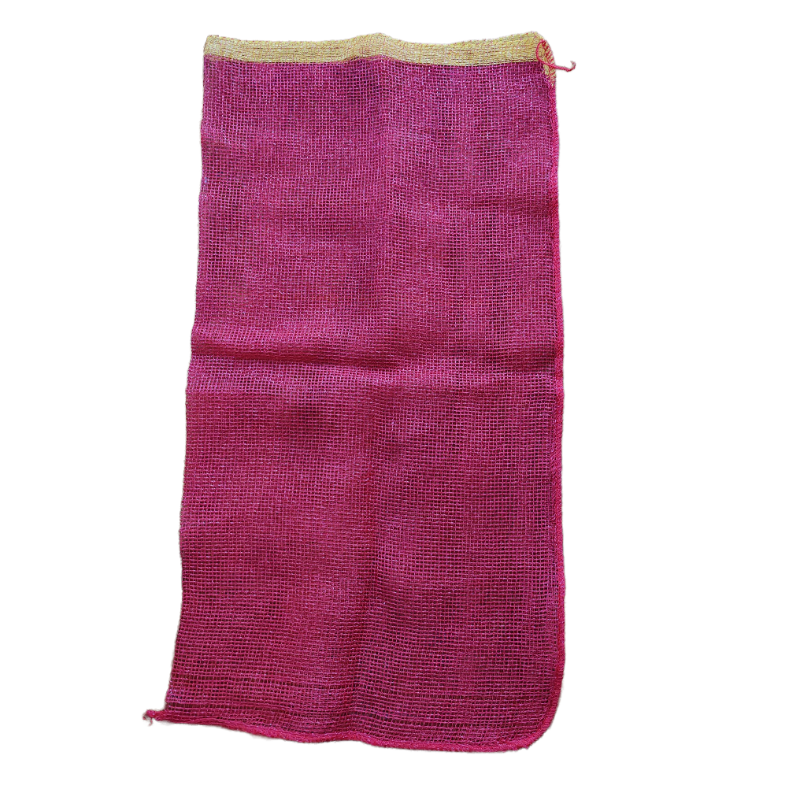
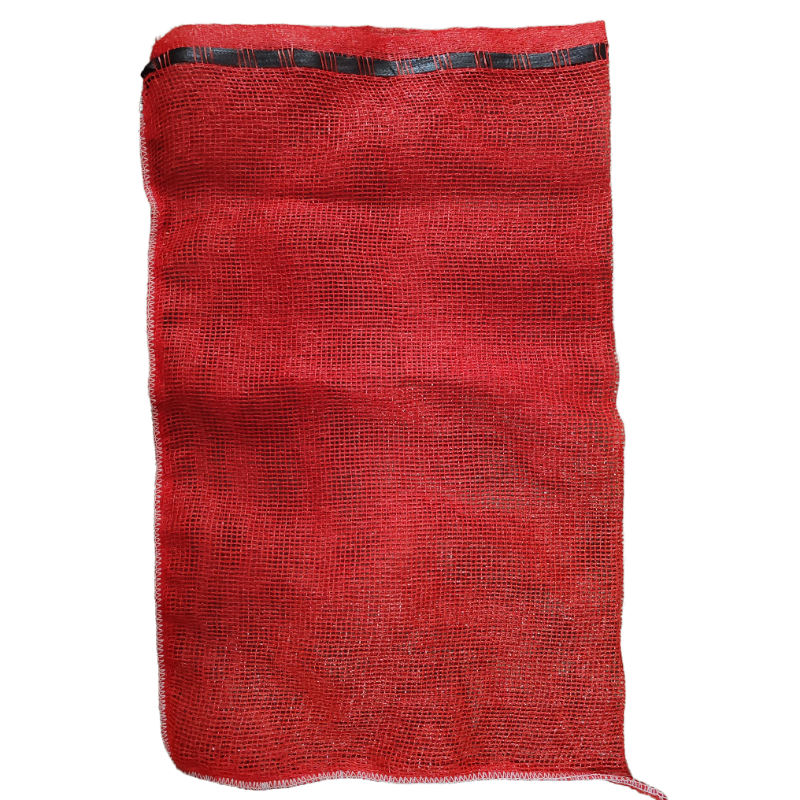
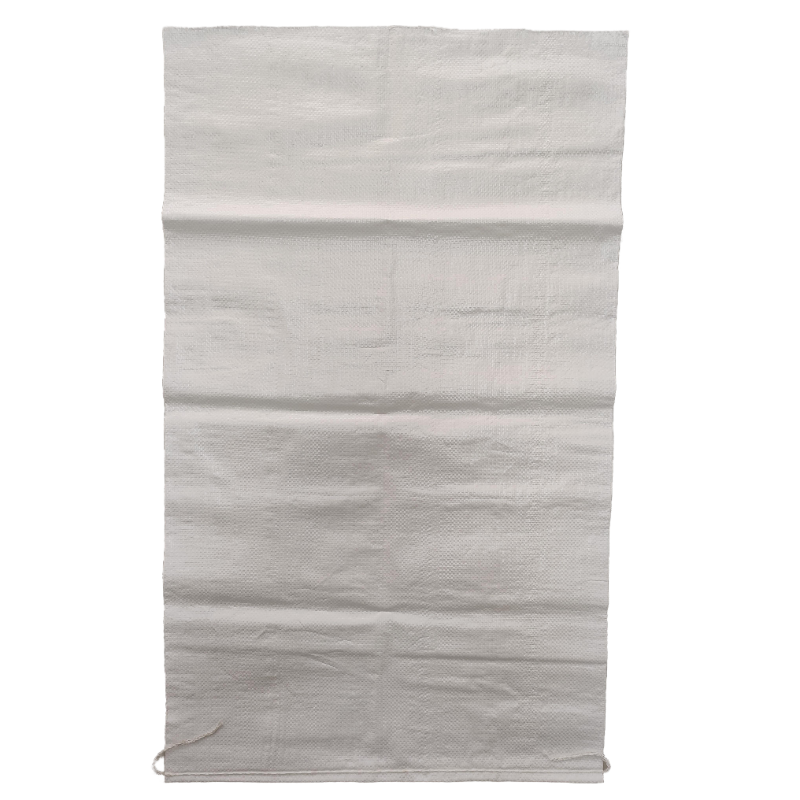
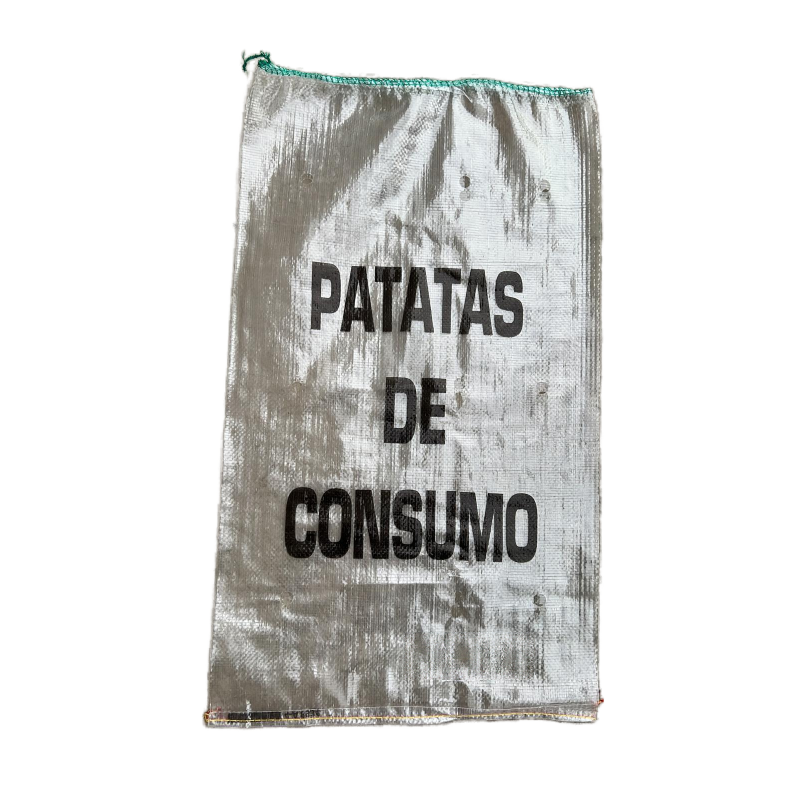
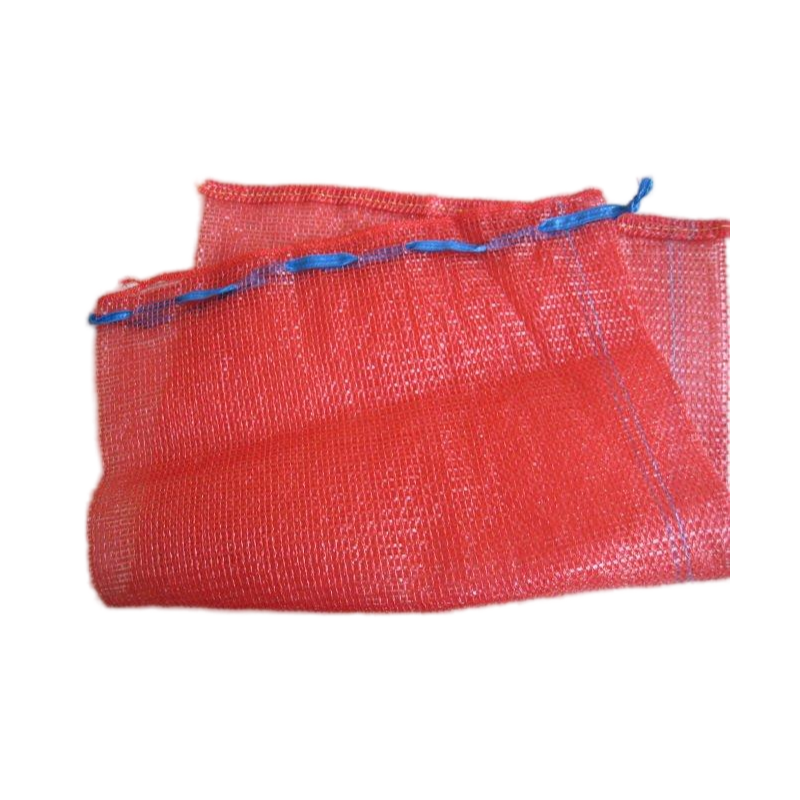
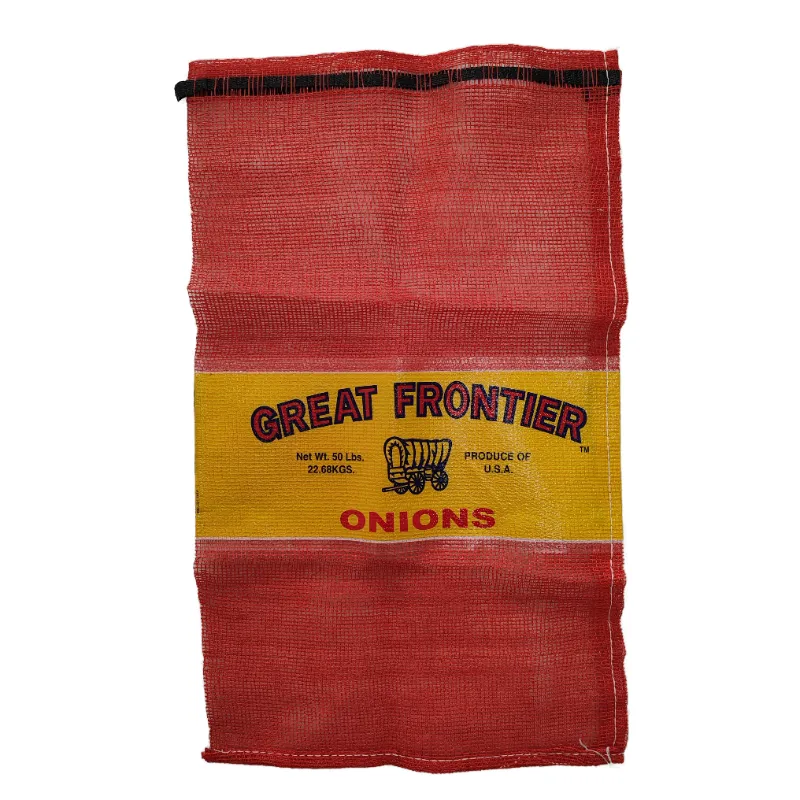
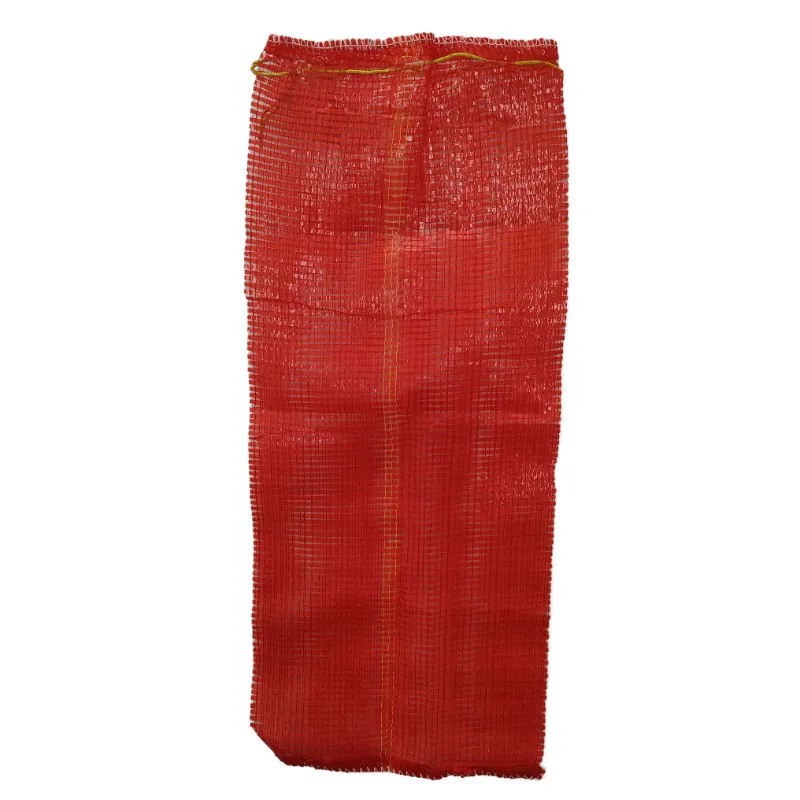
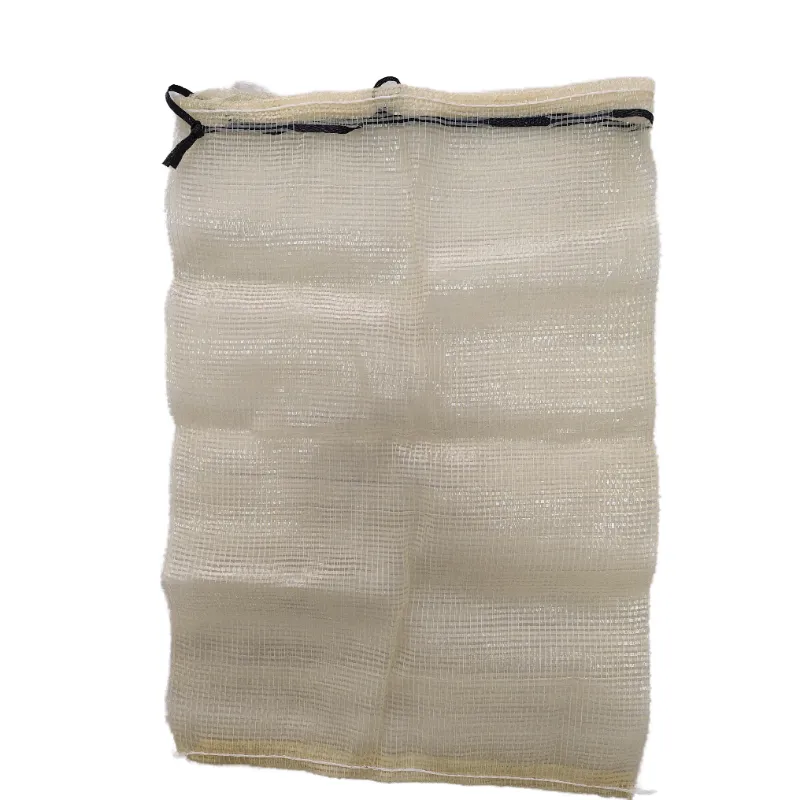
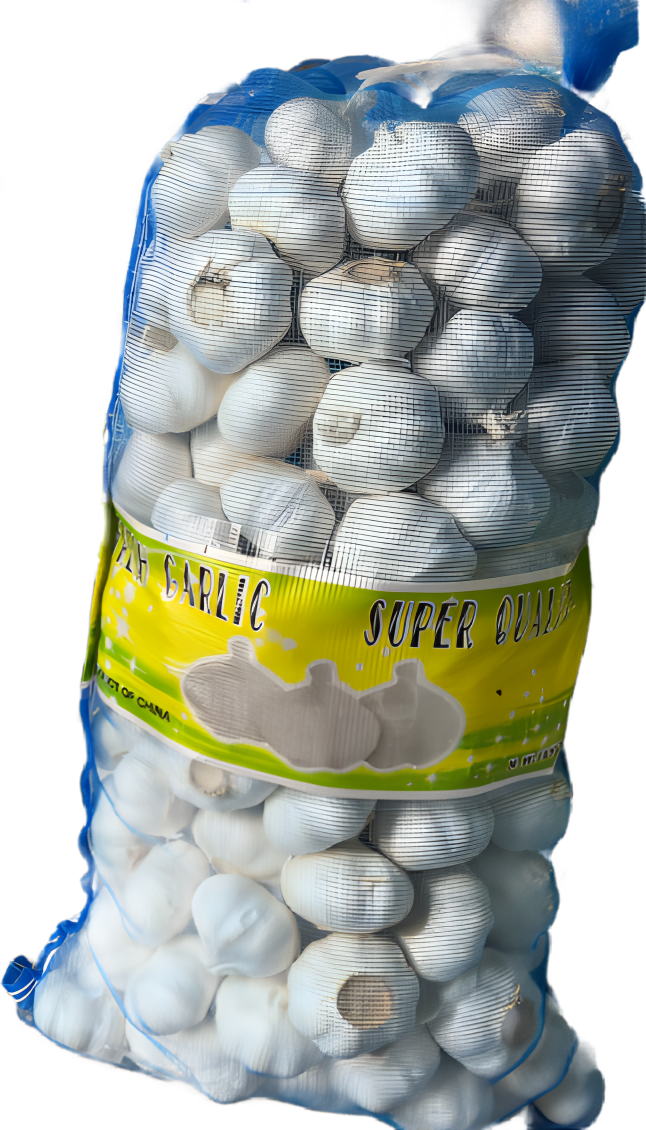
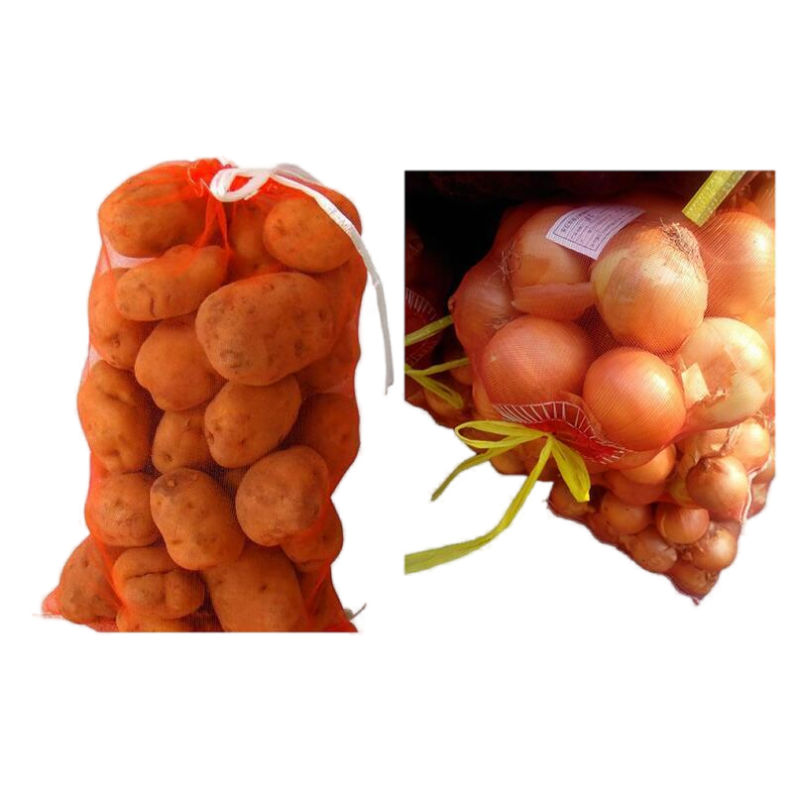
The production of a vegetables bag is a sophisticated process that blends raw material science with precision manufacturing. At Zaozhuang Jindalai Plastics Co., Ltd., the journey begins with the selection of polymer resins. We use primarily food-grade polyethylene (PE) and polypropylene (PP), which are chosen for their clarity, strength, and compliance with international food safety standards. These resins are often compounded with additives to enhance specific properties in the finished vegetables bag, such as anti-static agents to repel dust, or UV inhibitors for products that may be stored in lighted environments. For mesh vegetables bags, the process diverges. Leno mesh bags are produced on specialized looms that create a stable, open weave by twisting two warp threads around a weft thread. This construction is inherently resistant to runs and tears, making it exceptionally durable for its weight. Raschel mesh bags, on the other hand, are knitted on a different type of loom, resulting in a denser, more elastic fabric that offers high resistance to impact and snagging. Both types provide the excellent ventilation required for many vegetable varieties. For extruded net vegetables bags, the process involves forcing molten polymer through a circular die with numerous small holes, creating a continuous tube of netting. This tube is then stretched, cooled, and cut into individual bag lengths. This method produces a very resilient and flexible vegetables bag that is ideal for items like firewood or bulky root vegetables. The monofilament net vegetables bag is made from single strands of plastic fiber woven together, creating a smooth, soft texture that is ideal for protecting delicate produce from abrasion. Once the base bag is formed, finishing operations are critical. Sealing the bottom of the bag is typically achieved through heat sealing, which creates a strong, consistent bond that is crucial for load-bearing integrity. For some bag types, sewing with reinforced thread is the preferred method. The top of the vegetables bag may be left open, or it can be fitted with a drawstring or plastic tie for closure. Quality control is embedded throughout the manufacturing process. The thickness of the plastic film, the gauge of the mesh strands, the strength of the seals, and the accuracy of the printing are all continuously monitored. This ensures that every vegetables bag that leaves our facility meets the precise performance standards our clients depend on for their businesses. The capability for customization is a cornerstone of our production. We can adjust the size, color, handle type, and printing of the vegetables bag to create a tailored solution for any client's unique packaging line and market needs. This flexibility allows us to serve everyone from small local farms to multinational agricultural corporations. The intricate manufacturing behind a vegetables bag is what transforms simple plastic into a highly engineered protective system. We are proud of our manufacturing expertise and invite you to learn more about how we can produce the perfect vegetables bag for you.