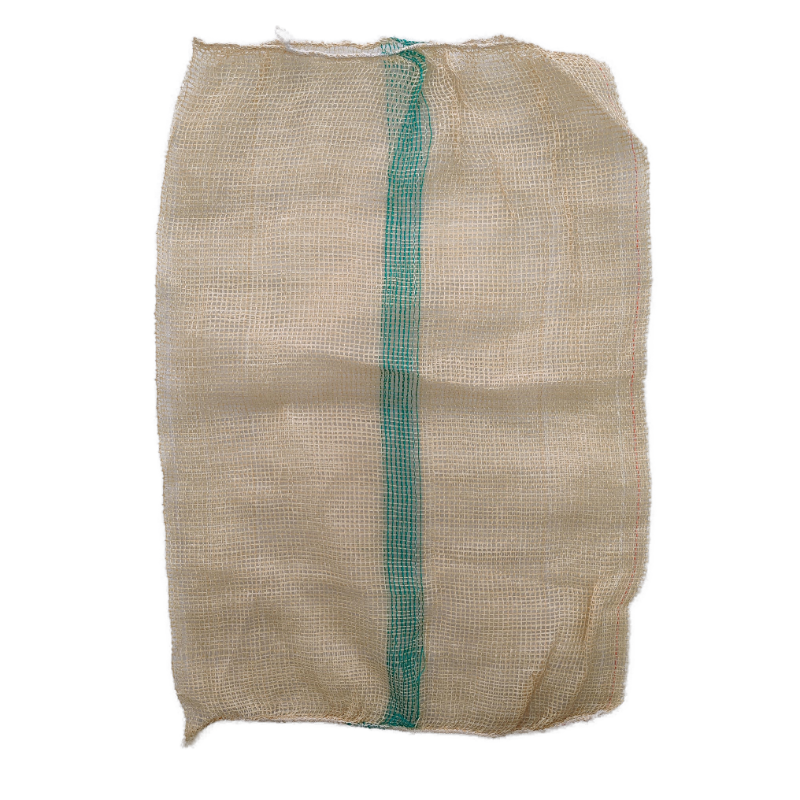
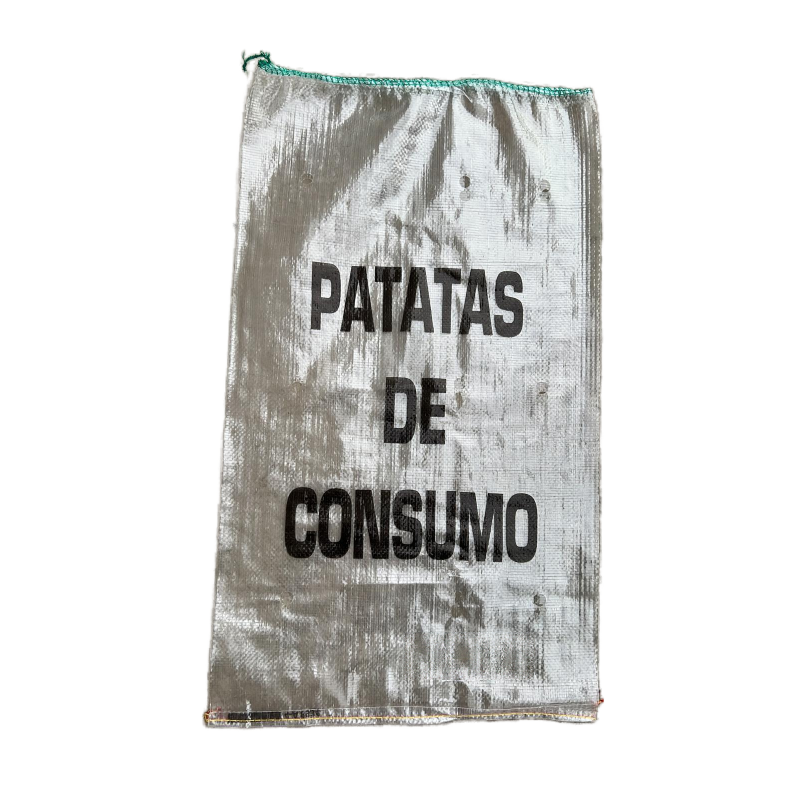
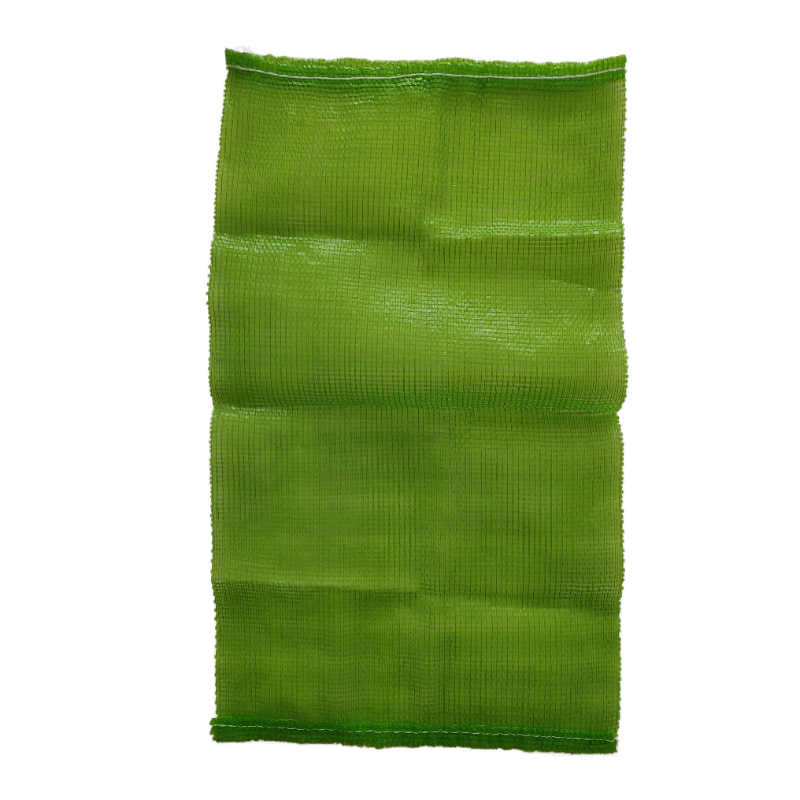
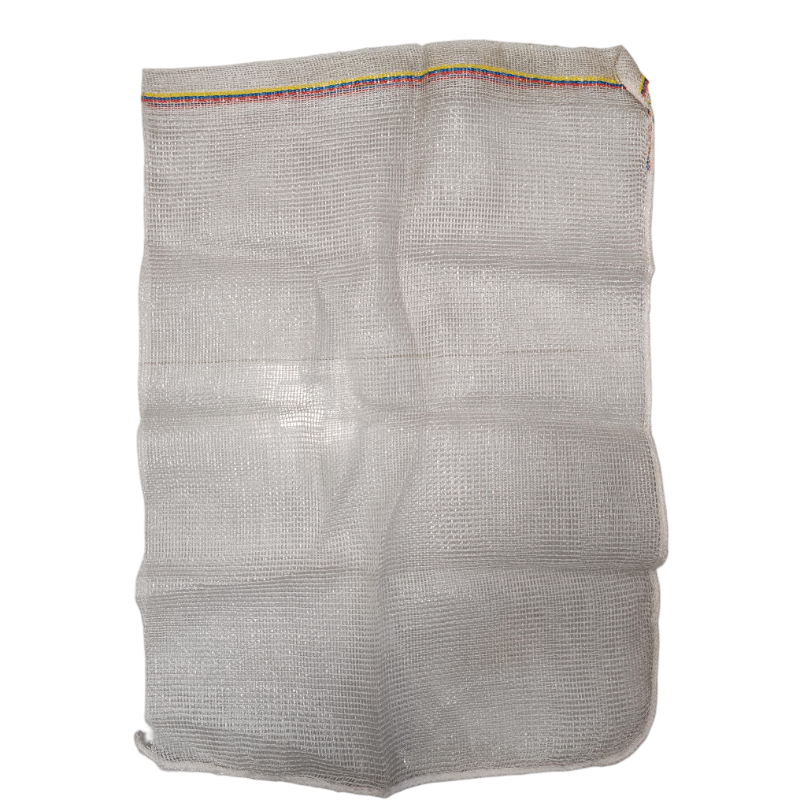
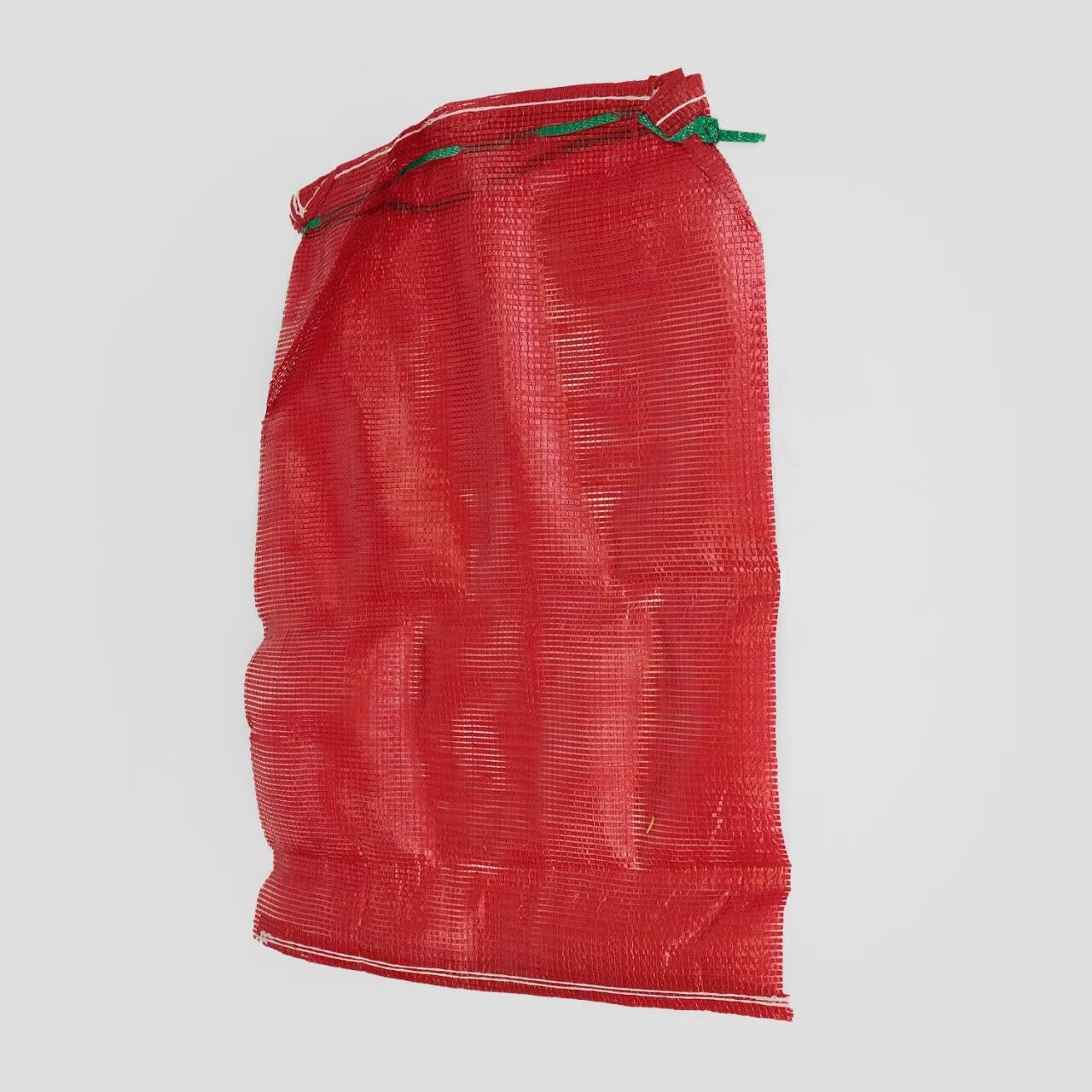
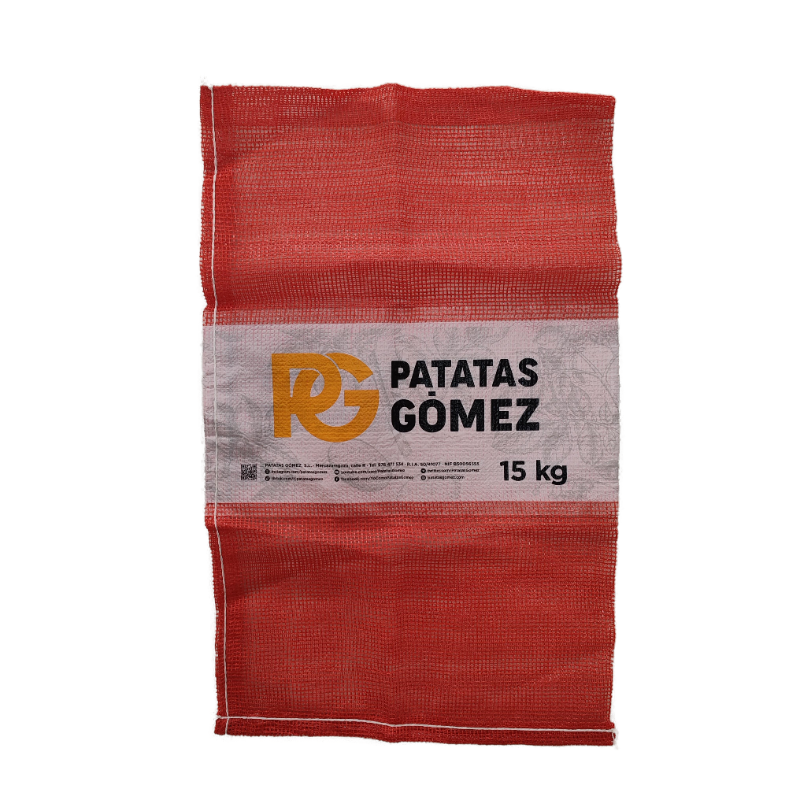
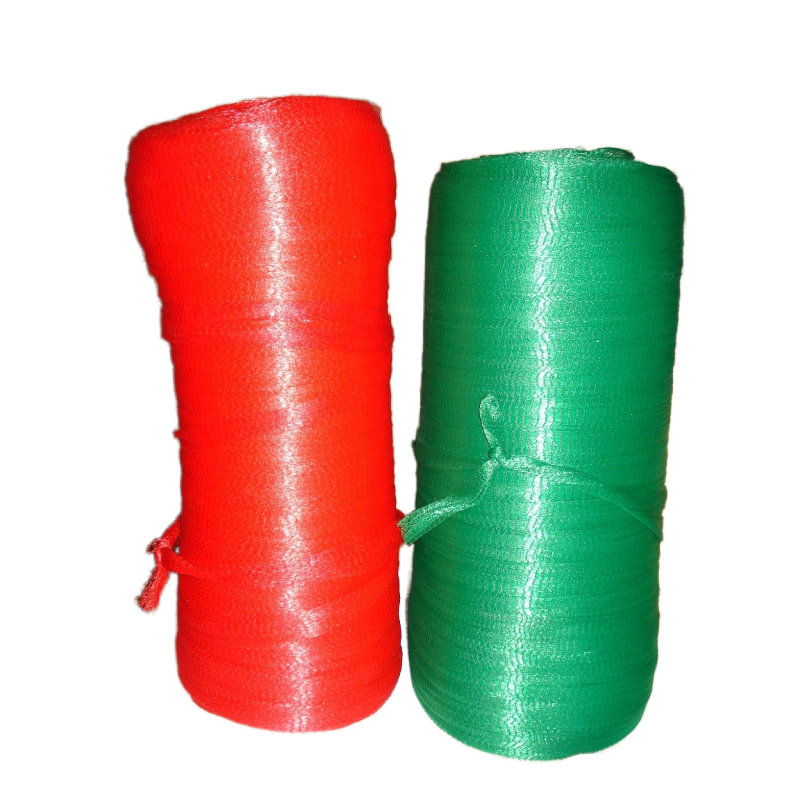
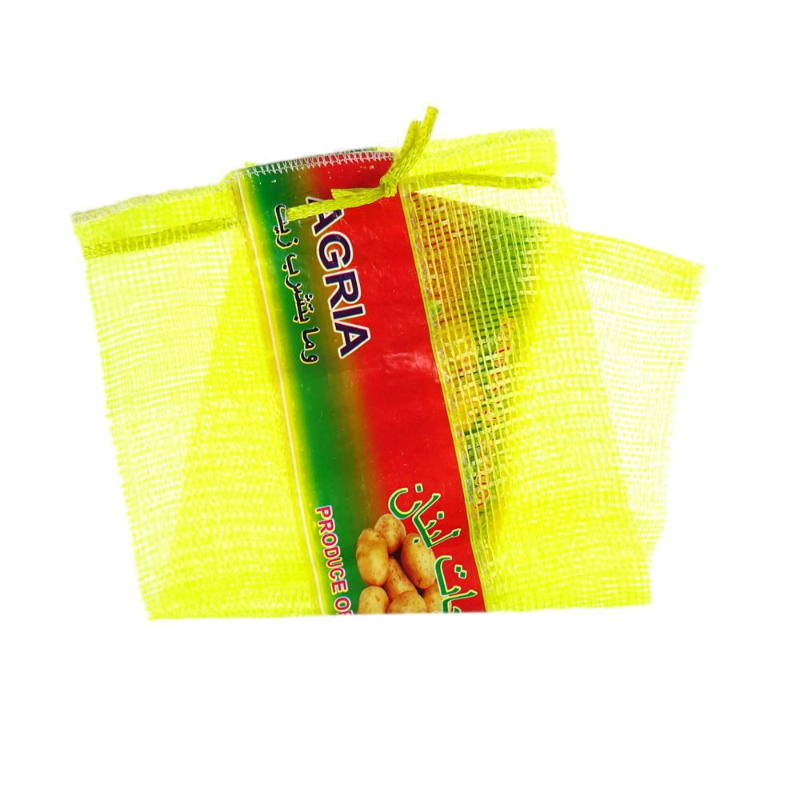
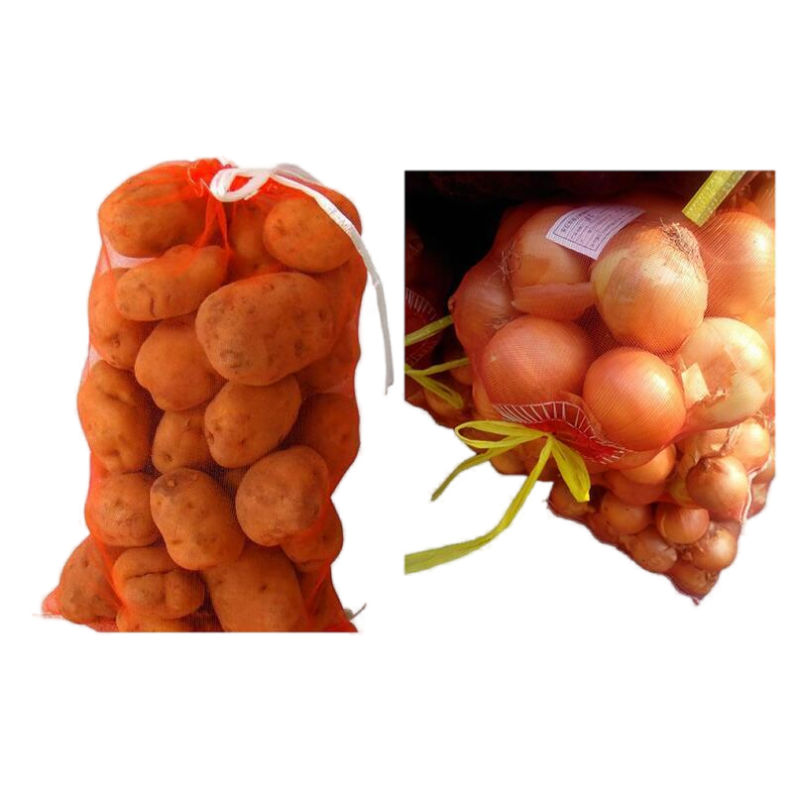
The environmental profile of the modern vegetables bag is an area of intense focus and innovation. As a responsible manufacturer, Zaozhuang Jindalai Plastics Co., Ltd. is committed to developing solutions that balance functionality with environmental stewardship. The conversation begins with material efficiency. Our engineering principles dictate using the minimal amount of material necessary to achieve the required performance for a vegetables bag. This lightweighting reduces the consumption of raw resources and lowers the carbon footprint associated with transportation, as more bags can be shipped per truckload. A significant advancement in the sustainability of vegetables bags is the incorporation of recycled content. We offer products made from post-industrial recycled (PIR) polyolefins, which divert plastic waste from landfills and reduce the reliance on virgin fossil fuels. These recycled-content vegetables bags undergo the same rigorous testing to ensure they meet our strength and safety standards, providing an eco-conscious option without compromising performance. Furthermore, we are actively developing and sourcing materials for biodegradable and compostable vegetables bags. It is important to distinguish between these terms for our clients. A biodegradable vegetables bag is designed to break down naturally in specific environments over time. A compostable vegetables bag, however, is certified to break down into non-toxic organic matter in an industrial composting facility, leaving no harmful residues. These options are ideal for closed-loop systems where the end-of-life disposal pathway is controlled, such as municipal composting programs that accept packaging. The durability and reusability of a vegetables bag also contribute to its environmental footprint. A more durable bag can often be reused by consumers or within the supply chain for multiple trips, which amplifies its utility and reduces the need for single-use packaging. Encouraging this reuse model is a key part of a circular economy approach. The end-of-life scenario for a standard polyolefin vegetables bag is also being addressed through growing recycling infrastructures globally. PE and PP are widely recyclable polymers, and as recycling technologies and collection systems improve, the potential for these bags to be transformed into new products increases. We advise our clients on the recyclability of our products and support initiatives that promote responsible disposal and recycling. Choosing a vegetables bag from a manufacturer with a strong environmental policy is a decision that supports corporate sustainability goals. It demonstrates to stakeholders and consumers a commitment to reducing environmental impact. We provide transparent information about the lifecycle of our products to help you make informed choices that align with your brand's values. For detailed information on our sustainable vegetables bag options, including recycled content and compostable varieties, please contact us for a dedicated consultation.