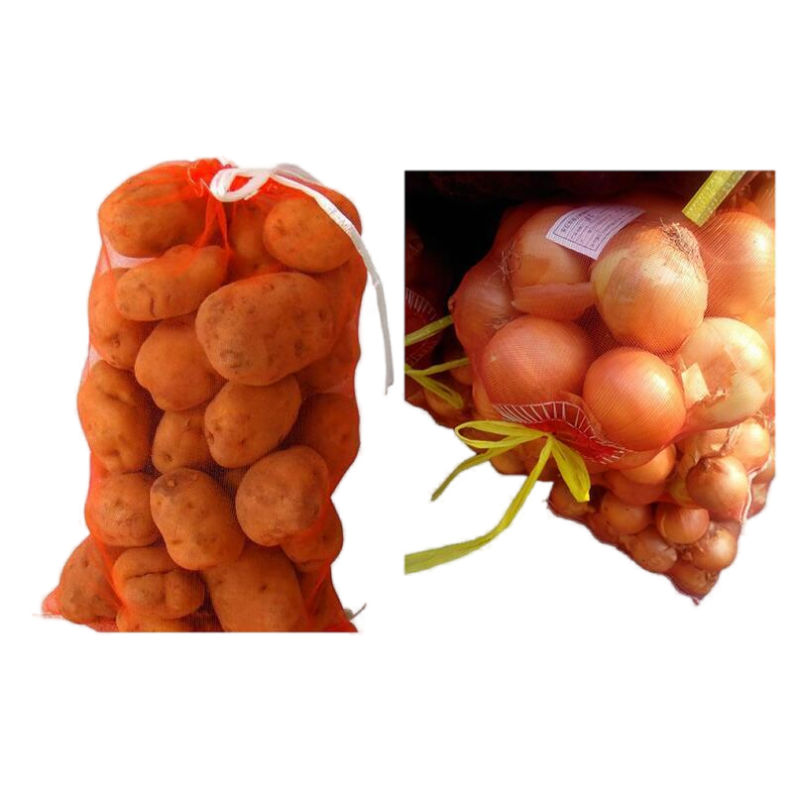
The strength and durability testing of a vegetables bag is a rigorous scientific process that ensures the packaging will perform under the physical stresses of the supply chain. These tests are standardized and provide quantifiable data to compare different bag qualities and guarantee they meet specified requirements. The most fundamental test is the Tensile Strength test. A sample strip from the vegetables bag is clamped in a machine that pulls it apart at a constant rate until it breaks. The force required to break the sample is measured, providing the bag's tensile strength, typically reported in Newtons or pounds-force. This indicates how much longitudinal stress the bag can withstand before failing. Related to this is the Elongation at Break test, which measures how much the material stretches before it ruptures. A certain degree of elongation is desirable as it allows the bag to absorb impact energy without tearing. A brittle bag with low elongation will fail suddenly, while a ductile bag will stretch and absorb the force. For mesh vegetables bags, a Bursting Strength test is often more representative of real-world conditions. This test, performed on a Mullen or hydraulic burst tester, applies hydrostatic pressure to a confined area of the bag until it ruptures. The result, reported in kilopascals or pounds per square inch, indicates the bag's resistance to internal pressure and impact from sharp corners. The Tear Resistance test measures the force required to propagate a pre-cut slit in the vegetables bag. This is critical because a small snag or puncture during handling should not lead to a catastrophic tear that splits the entire bag open. A high tear resistance value is a key indicator of durability. For sealed bags, the Seal Strength test is paramount. A sample containing the heat seal is pulled apart, and the force required to separate the seal is measured. A weak seal is a common point of failure, especially in bags containing heavy or sharp-edged produce. Beyond the material itself, the performance of the entire vegetables bag is tested through a Drop Test. Filled bags are dropped from a specified height onto a hard surface, and the number of drops until failure or the condition after a set number of drops is recorded. This simulates the shocks experienced during loading and unloading. Finally, for bags intended for long-term storage or export, an Accelerated Aging test may be conducted. Bags are subjected to elevated temperatures and UV light to simulate the effects of weeks or months of storage in a shorter time frame, allowing us to predict the long-term stability of the material. We conduct these tests routinely in our quality control laboratory to ensure that every batch of vegetables bags we produce meets the high standards of strength and reliability that our global clients depend on. For detailed technical data sheets with test results for our vegetables bags, please do not hesitate to contact us.