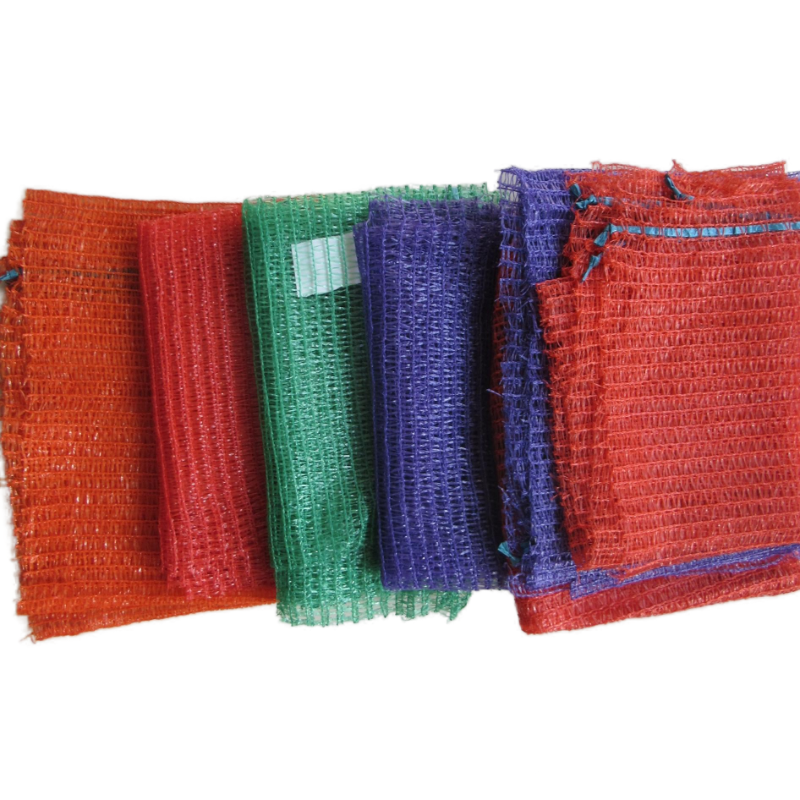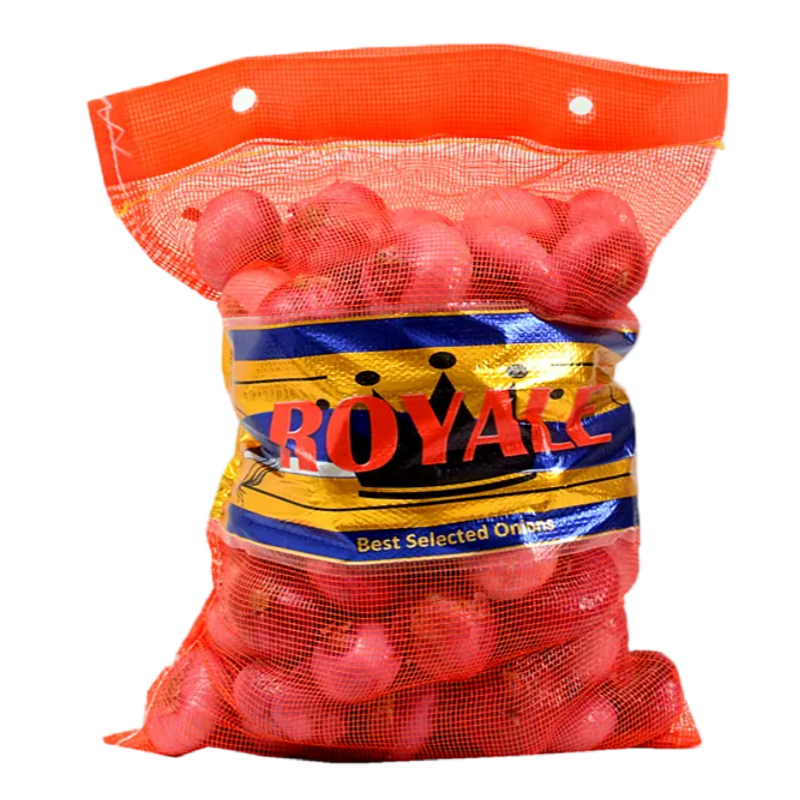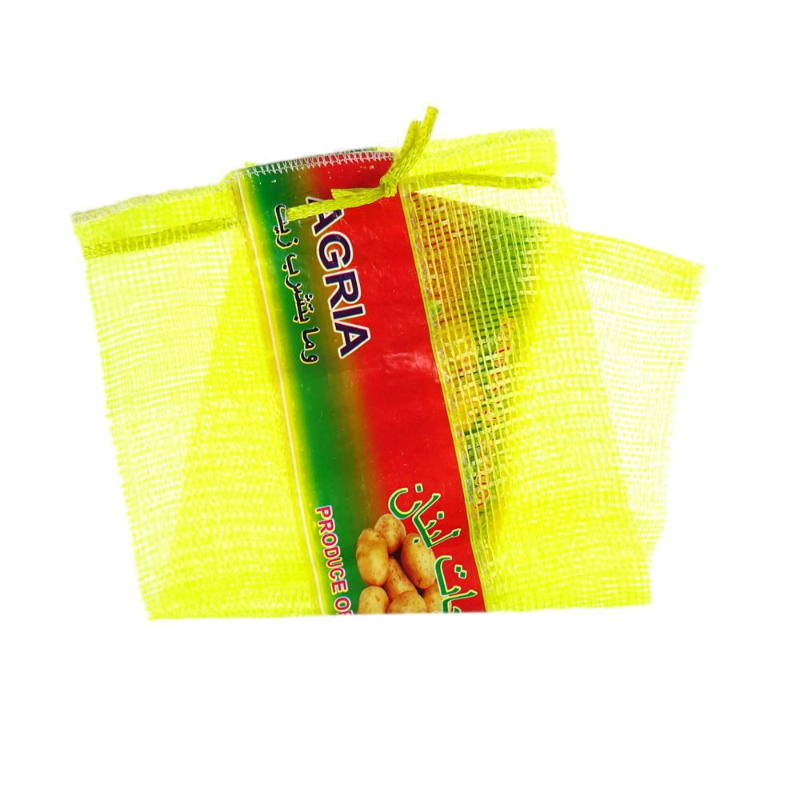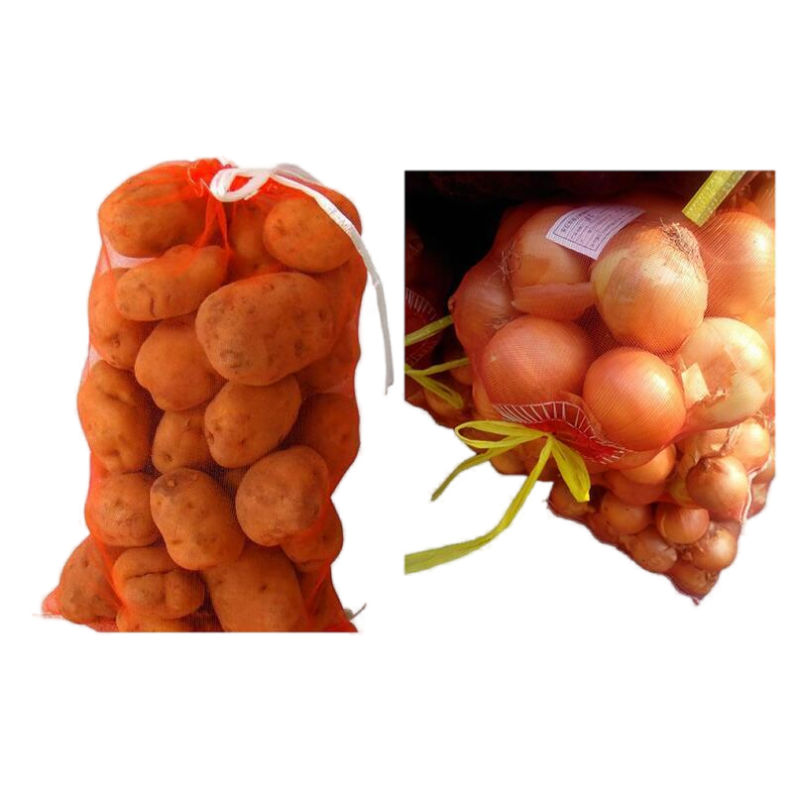
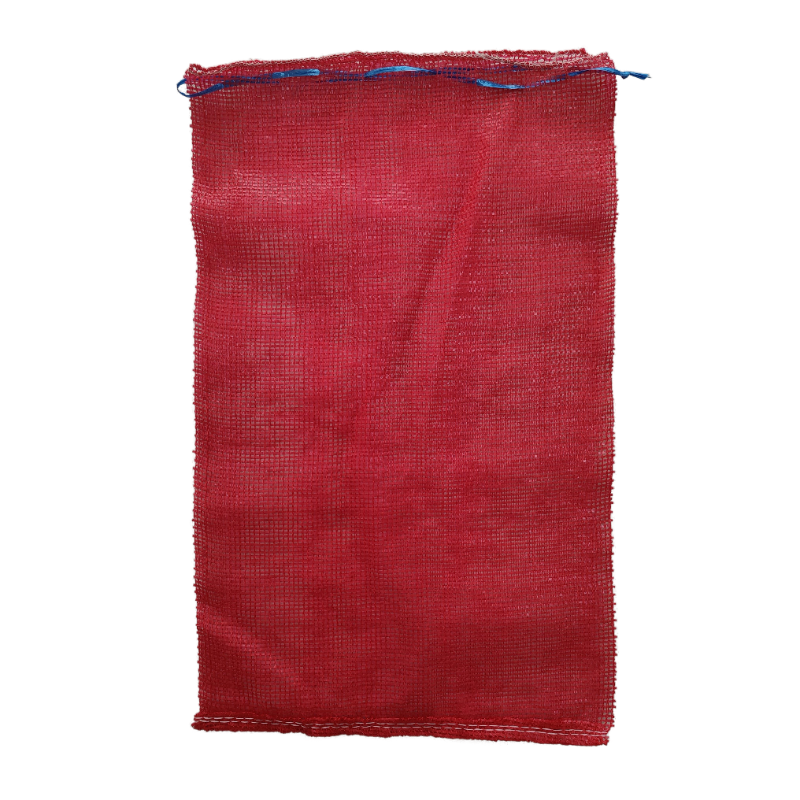
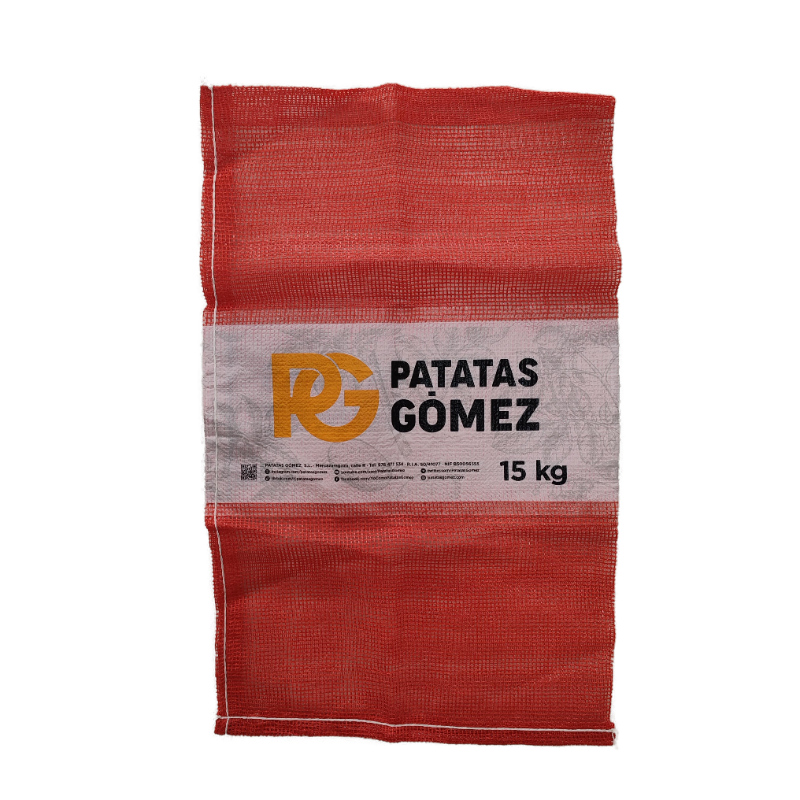
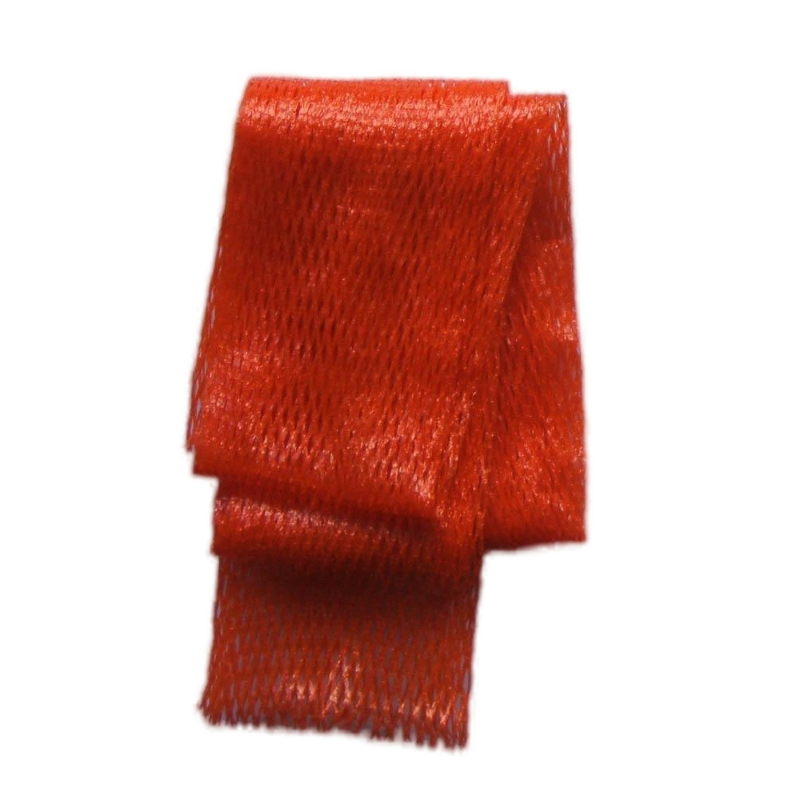
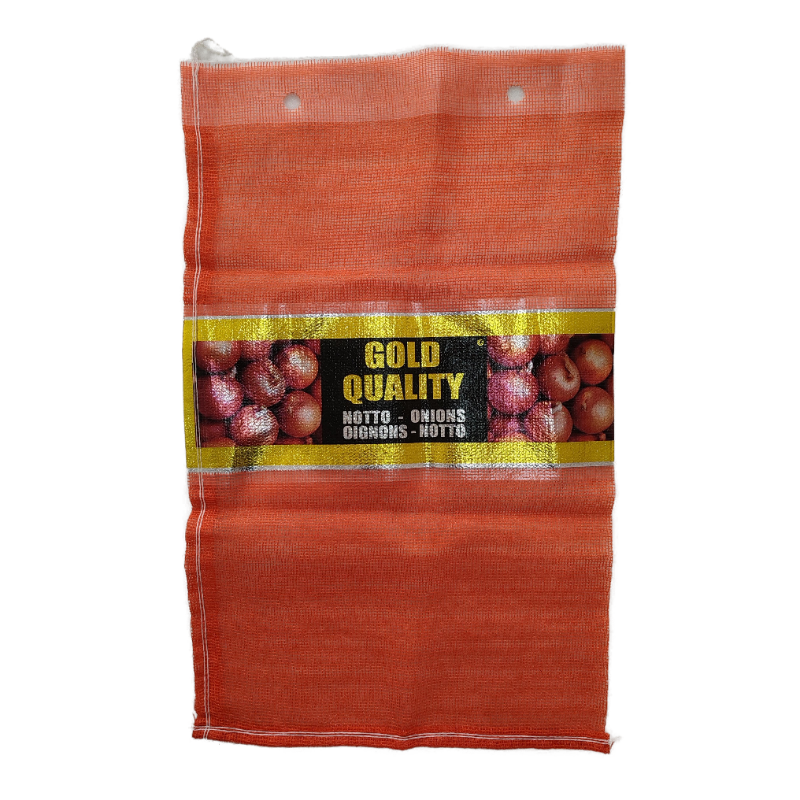
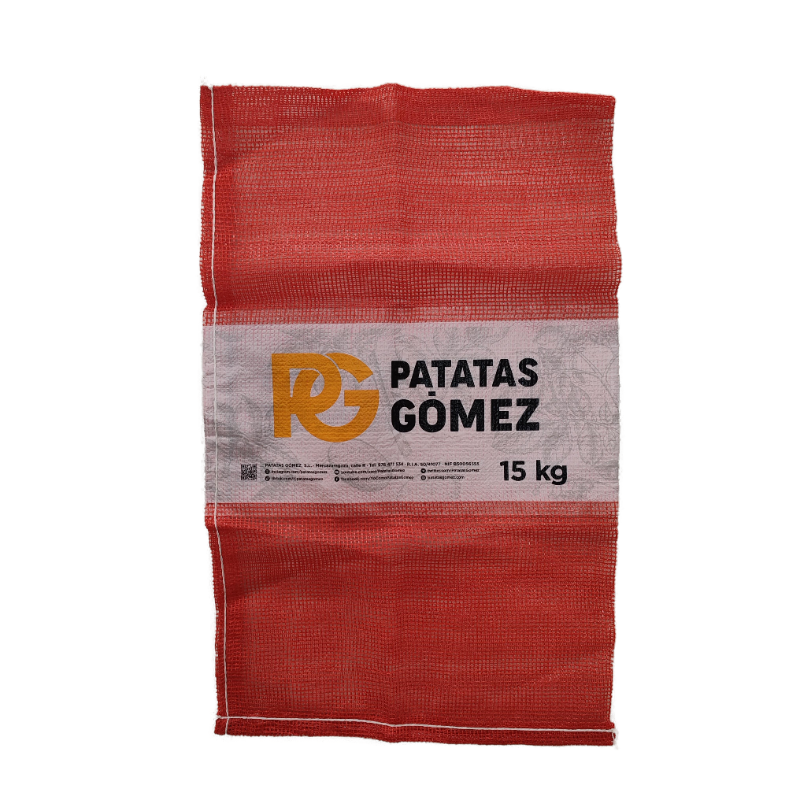
The functional journey of a vegetables bag begins at the point of harvest, where its protective role is immediately activated. In field packing scenarios for crops like onions or cabbages, workers place the produce directly into a durable vegetables bag, which is then transported to a central processing facility. The resilience of the bag material is crucial here, resisting punctures from rough terrain and sharp edges. This initial stage highlights the importance of a vegetables bag designed for rough handling while providing adequate ventilation to remove field heat, a critical first step in the cooling chain. Upon arrival at the packing house, the vegetables bag often enters a pre-cooling environment. The design of the bag must facilitate rapid and uniform air circulation around each individual vegetable to achieve core temperature reduction efficiently. A vegetables bag with a constrictive weave or inadequate venting can act as an insulator, trapping heat and leading to accelerated spoilage, defeating the purpose of expensive cooling systems. Bags with wide, open meshes or strategic venting patterns are engineered to maximize this crucial air contact. Following cooling, the vegetables bag may proceed to sorting and grading lines. The visibility afforded by the bag, whether through mesh or clear film, allows for quick inspection. For weight-controlled portions, the vegetables bag itself is tared and filled to specific weights, making the bag an integral part of the measurement and sales unit. The bag's material must have consistent weight and strength to ensure accuracy and fairness in this process. During palletizing and unitization, the structural integrity of the vegetables bag contributes to overall load stability. Bags with a non-slip surface help prevent shifting during transport, reducing the risk of entire pallets collapsing. This is a key safety and product integrity consideration. The vegetables bag must also be compatible with stretch wrapping or banding systems used to secure the pallet for shipping. The international export of vegetables presents some of the most demanding challenges for a vegetables bag. Extended transit times, fluctuating temperatures, and high humidity in shipping containers test the limits of the packaging. A vegetables bag destined for export must have enhanced resistance to UV degradation if exposed to light, and its material should not become brittle in cold chain environments. The bag's construction must prevent the propagation of small tears, which could lead to complete failure under the dynamic stresses of ocean freight. Upon reaching the destination country's distribution center, the vegetables bag undergoes handling once more during de-palletizing and cross-docking. Its role shifts to inventory management, where printed codes on the bag facilitate tracking. Finally, in the retail backroom, the vegetables bag is often the unit that is opened and its contents transferred to the store's display bins. A well-designed bag is easy to open and empty without damaging the produce, completing its journey from a protective shell during transit to a convenient dispenser at the point of sale. The entire lifecycle of the vegetables bag is a testament to its role as a multi-functional workhorse in the global food supply chain. For technical data sheets on our vegetables bags designed for specific stages of this journey, please contact our customer service team.