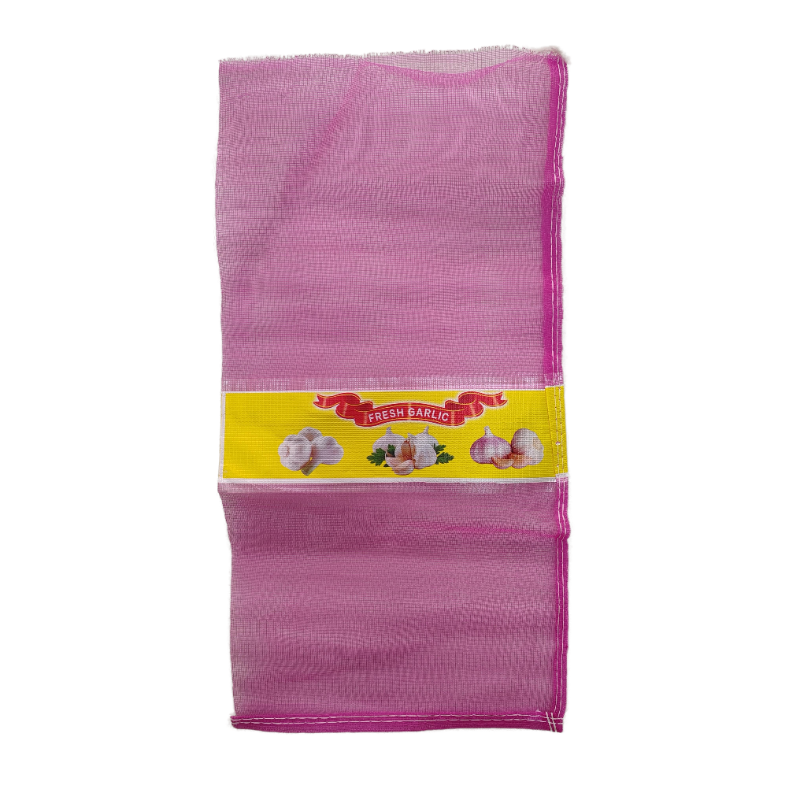
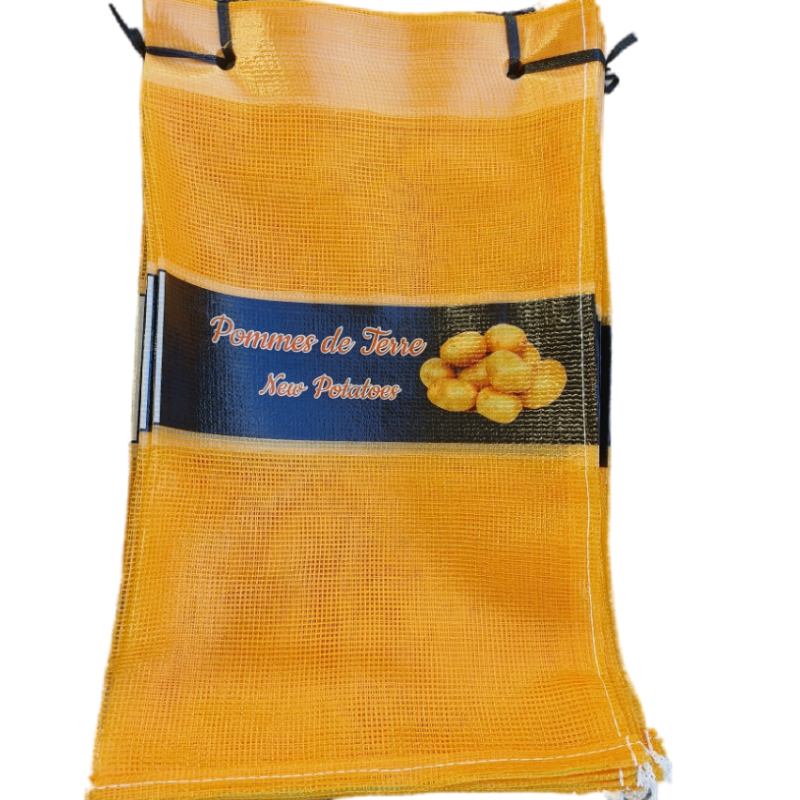
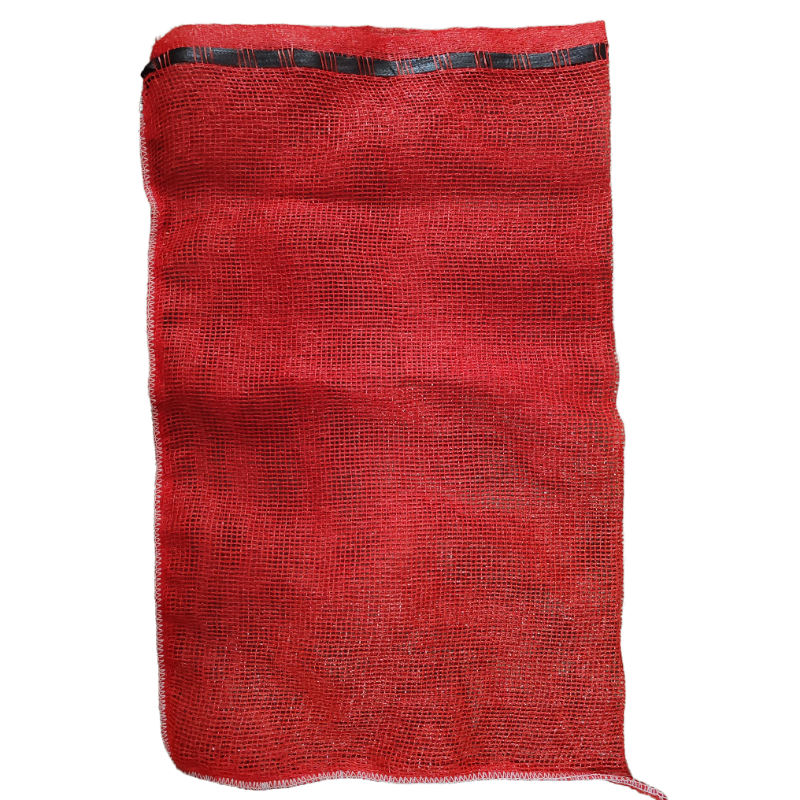
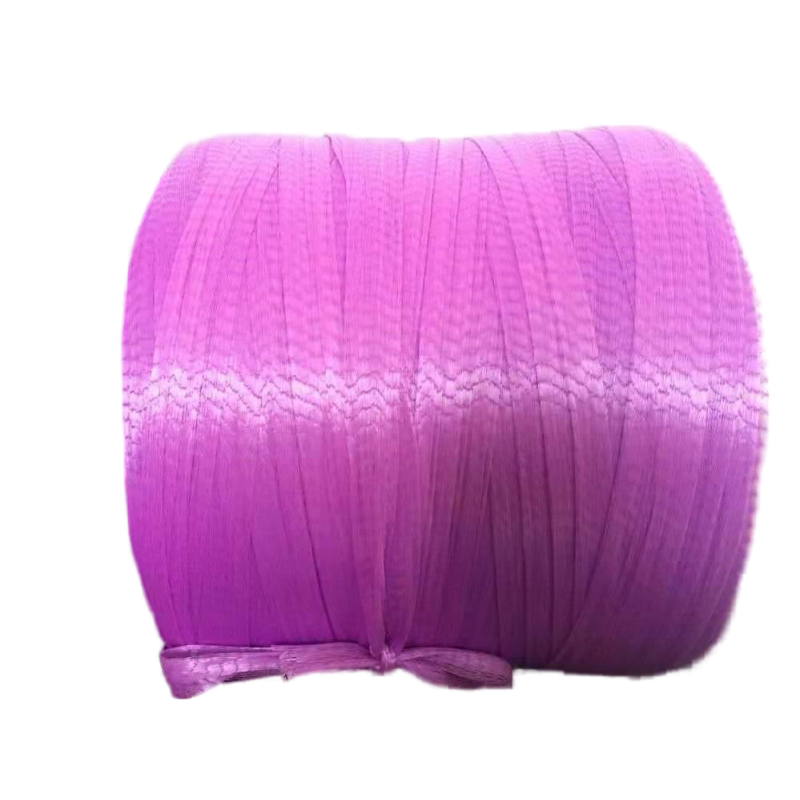
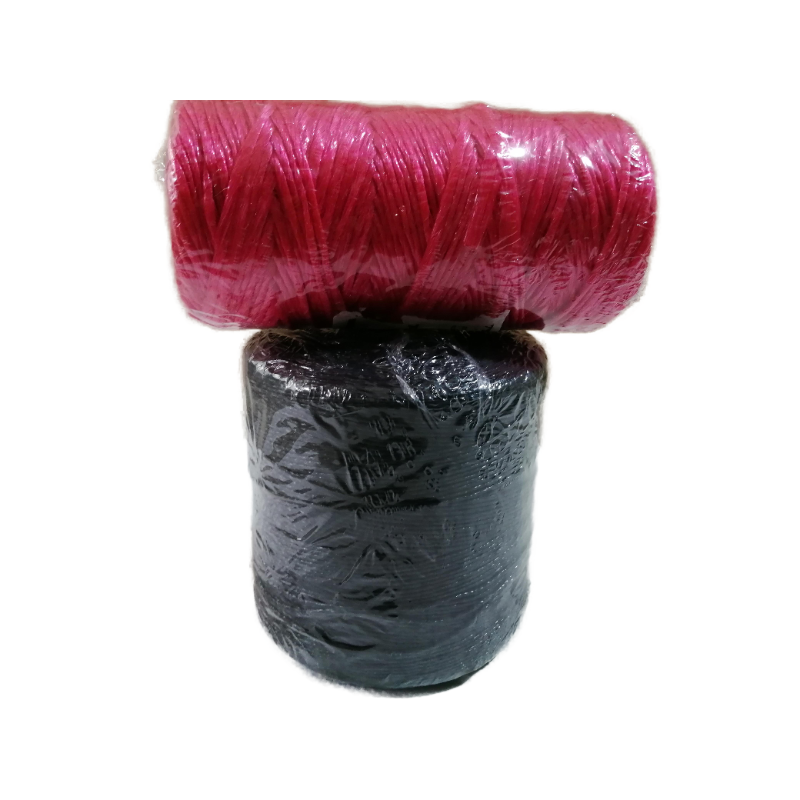
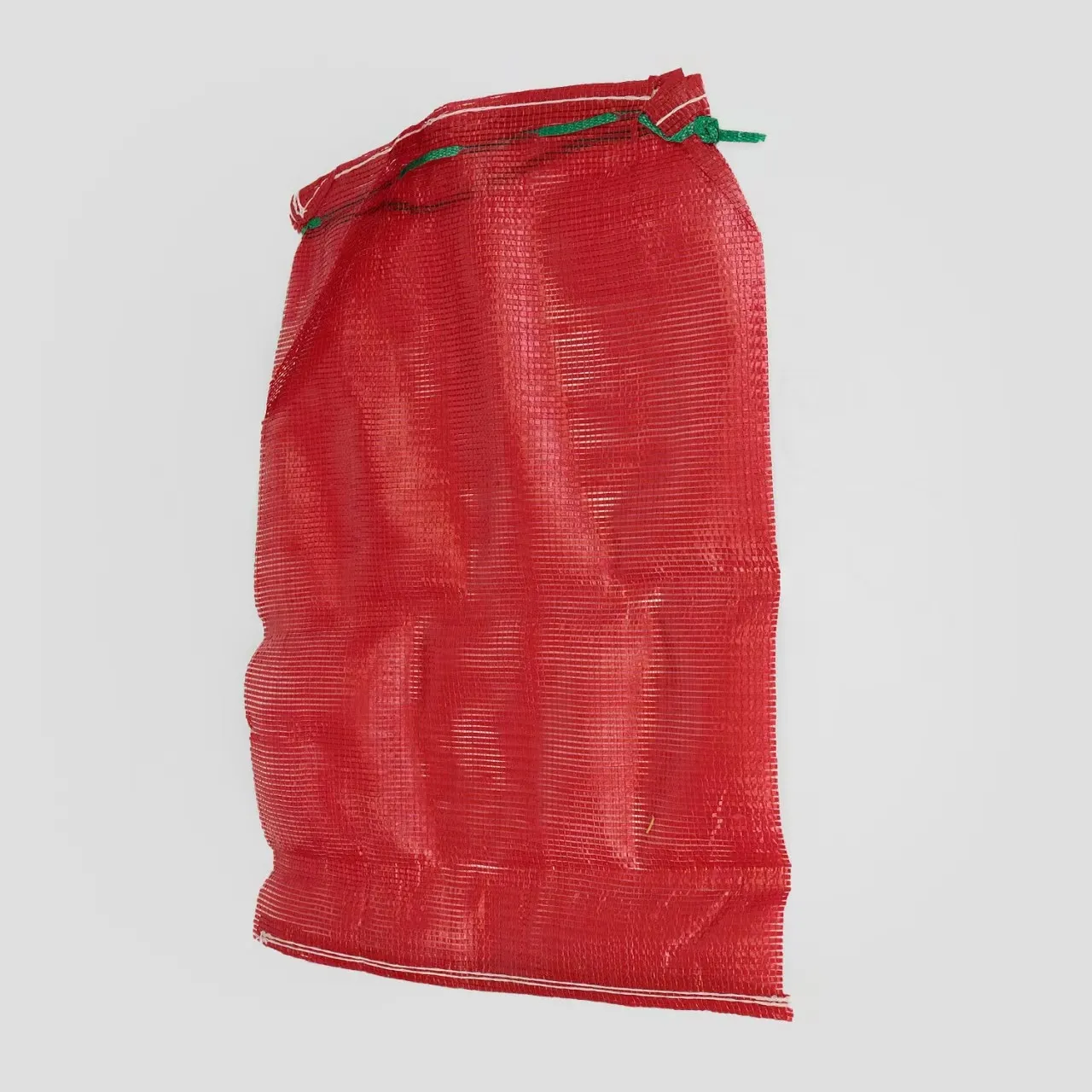
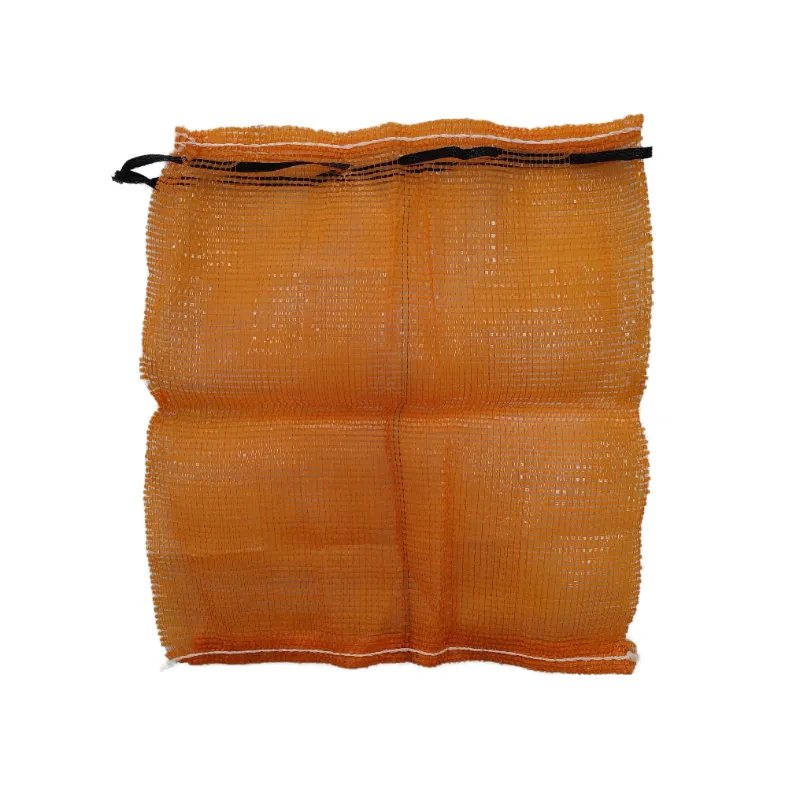
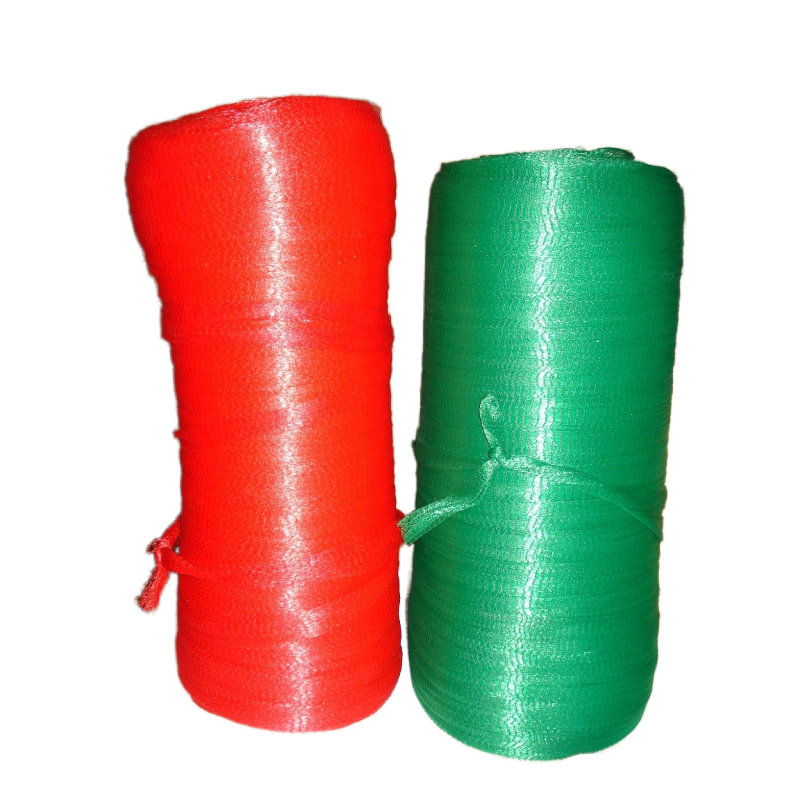
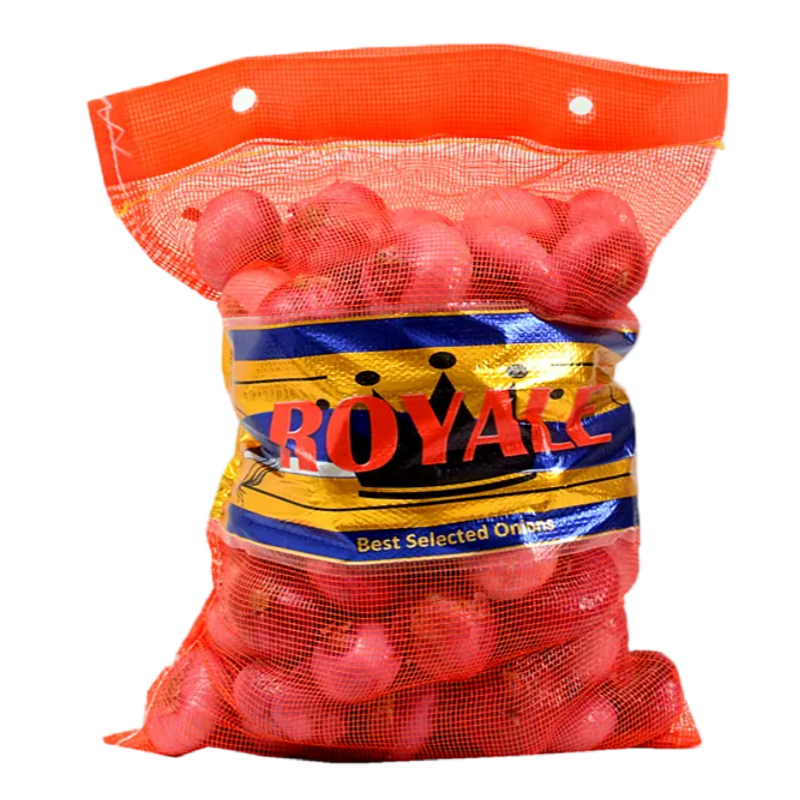
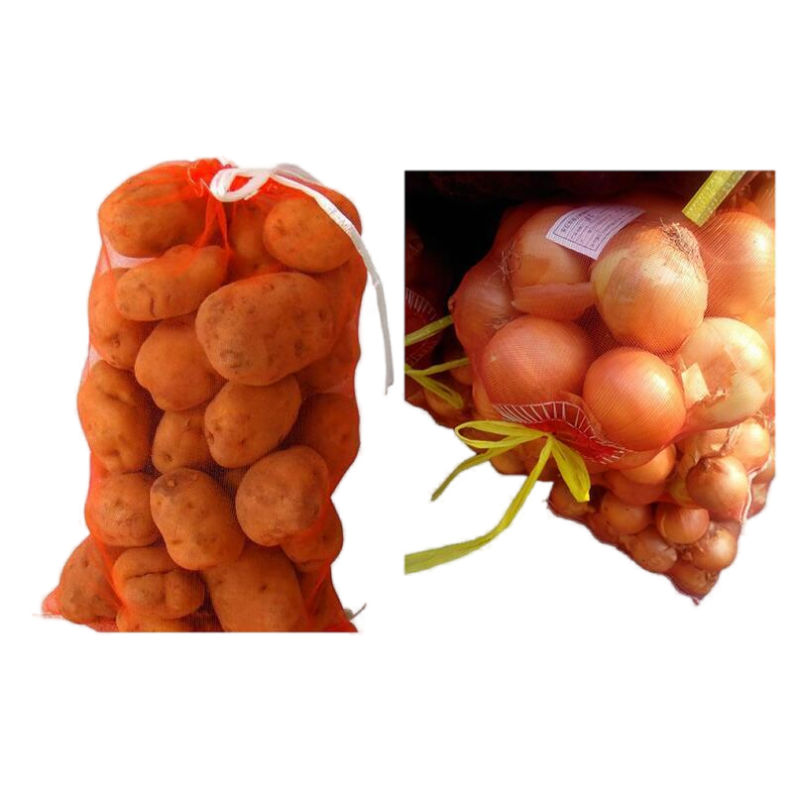
The global trade of vegetables imposes a unique set of demands on packaging, and the vegetables bag is at the forefront of meeting these challenges. Export-grade vegetables bags must be engineered to withstand extended logistics cycles, extreme climatic variations, and rigorous handling protocols, all while preserving the impeccable quality of the contents. The first consideration is physical durability. An export vegetables bag must possess exceptional tensile and tear strength. It will be subjected to multiple handlings: palletizing in the country of origin, container loading, ocean or air freight with constant vibration, unloading at the destination port, customs inspection, and distribution to wholesalers or retailers. A bag failure at any point in this chain can result in the total loss of the palletized unit. Our PP woven and heavy-duty Raschel mesh vegetables bags are specifically designed for this punishing environment. Long-term storage is another factor. Some vegetable exports, like certain potato and onion varieties, may be stored for months before being shipped. The vegetables bag must not only provide consistent ventilation during this period but also resist UV degradation if stored in lighted facilities. The plastic polymers used in export bags often include UV stabilizers to prevent the material from becoming brittle and cracking over time. Temperature fluctuations are inevitable during international shipping. A vegetables bag must remain flexible and functional across a wide temperature range, from the cold chain conditions of a refrigerated container to the ambient heat of a dockyard. The seals and seams are particularly vulnerable to stress under these changing conditions, and our manufacturing process ensures they remain intact. Furthermore, the vegetables bag must comply with international regulations and standards. This includes being manufactured from food-grade materials that meet the safety standards of the importing country, such as FDA regulations for the USA or EFSA standards for Europe. The printing inks used on custom bags must also be compliant and non-toxic. For produce that requires a modified atmosphere during transit, the vegetables bag may be part of a larger system. While the bag itself may be ventilated, the master carton or the refrigerated container controls the atmosphere. The bag must be compatible with this system, not hindering the gas flow intended for the entire shipment. The choice of an export vegetables bag is a decision that impacts the success of international business ventures. A failure in packaging can lead to rejected shipments, financial loss, and damage to brand reputation. We provide robust, reliable vegetables bag solutions that are trusted by exporters worldwide. For detailed specifications on our export-grade vegetables bag range, please contact our international sales team.