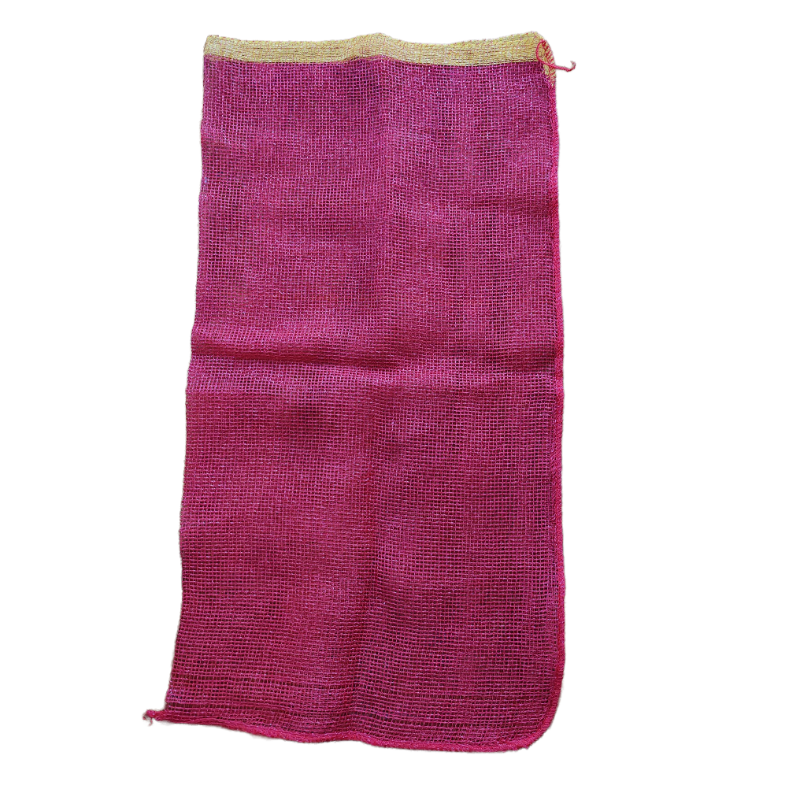
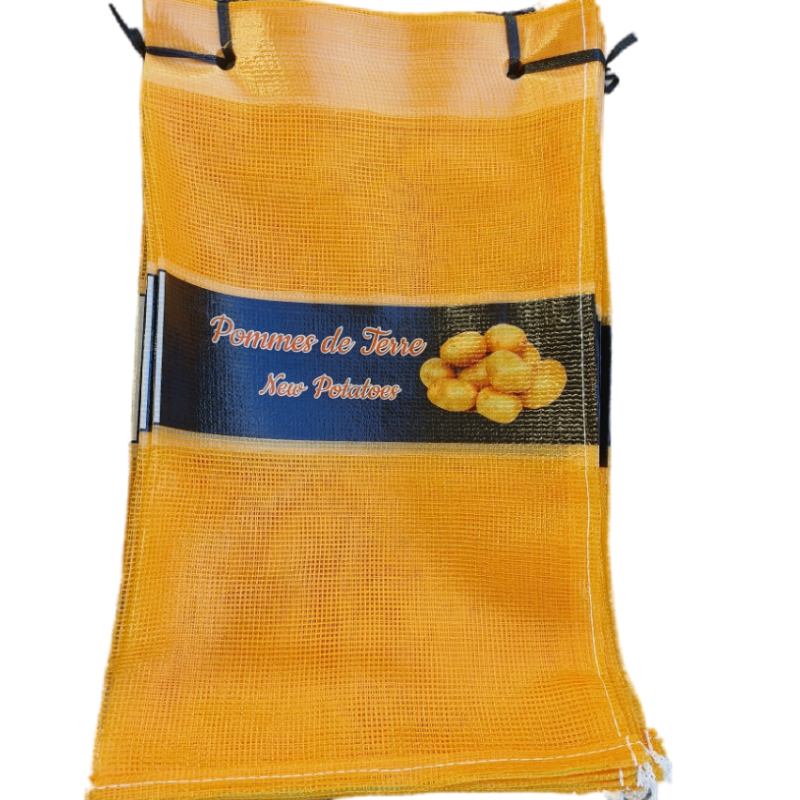
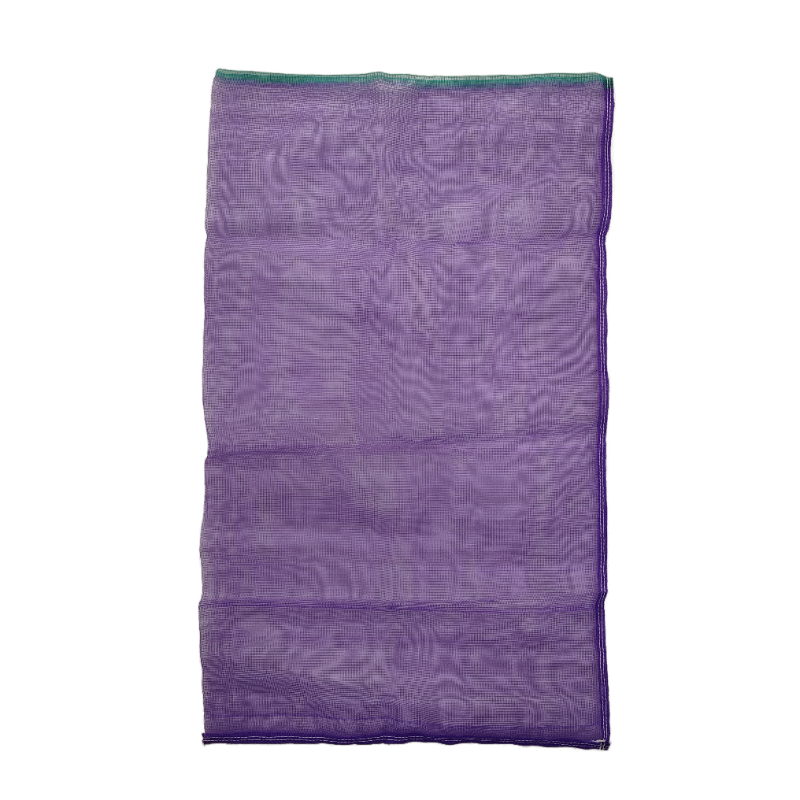
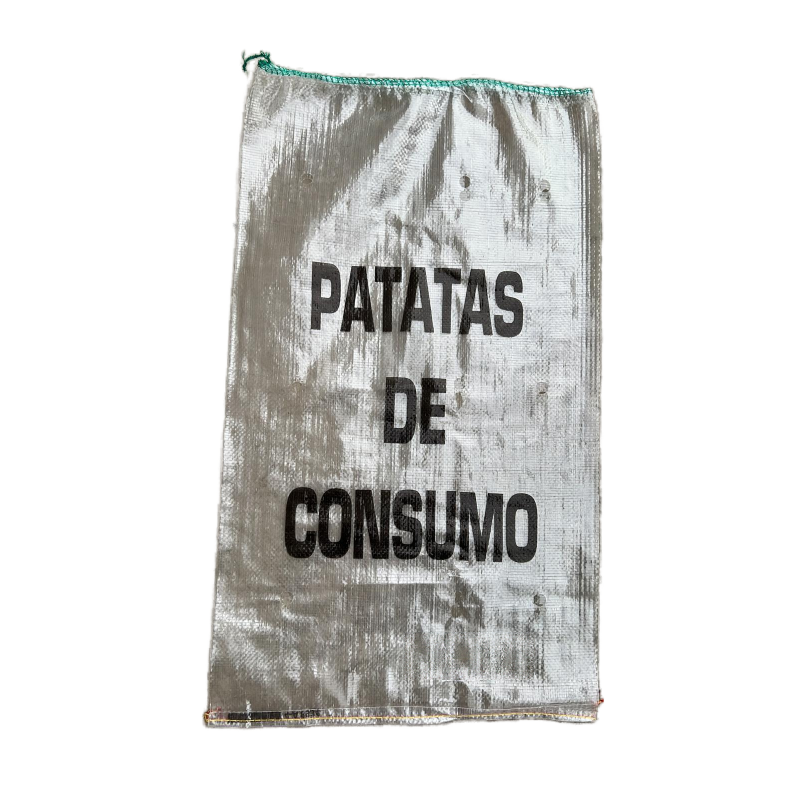
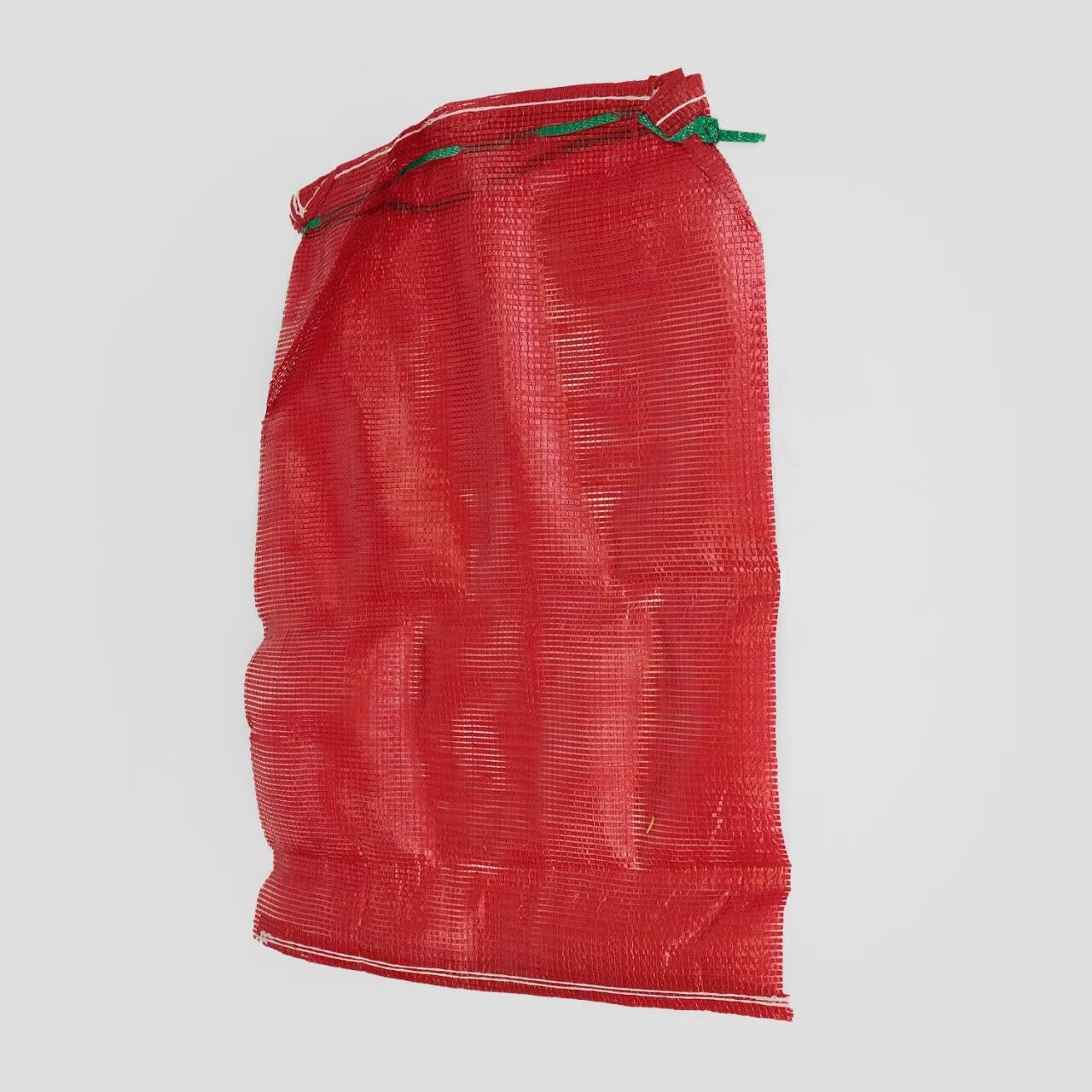
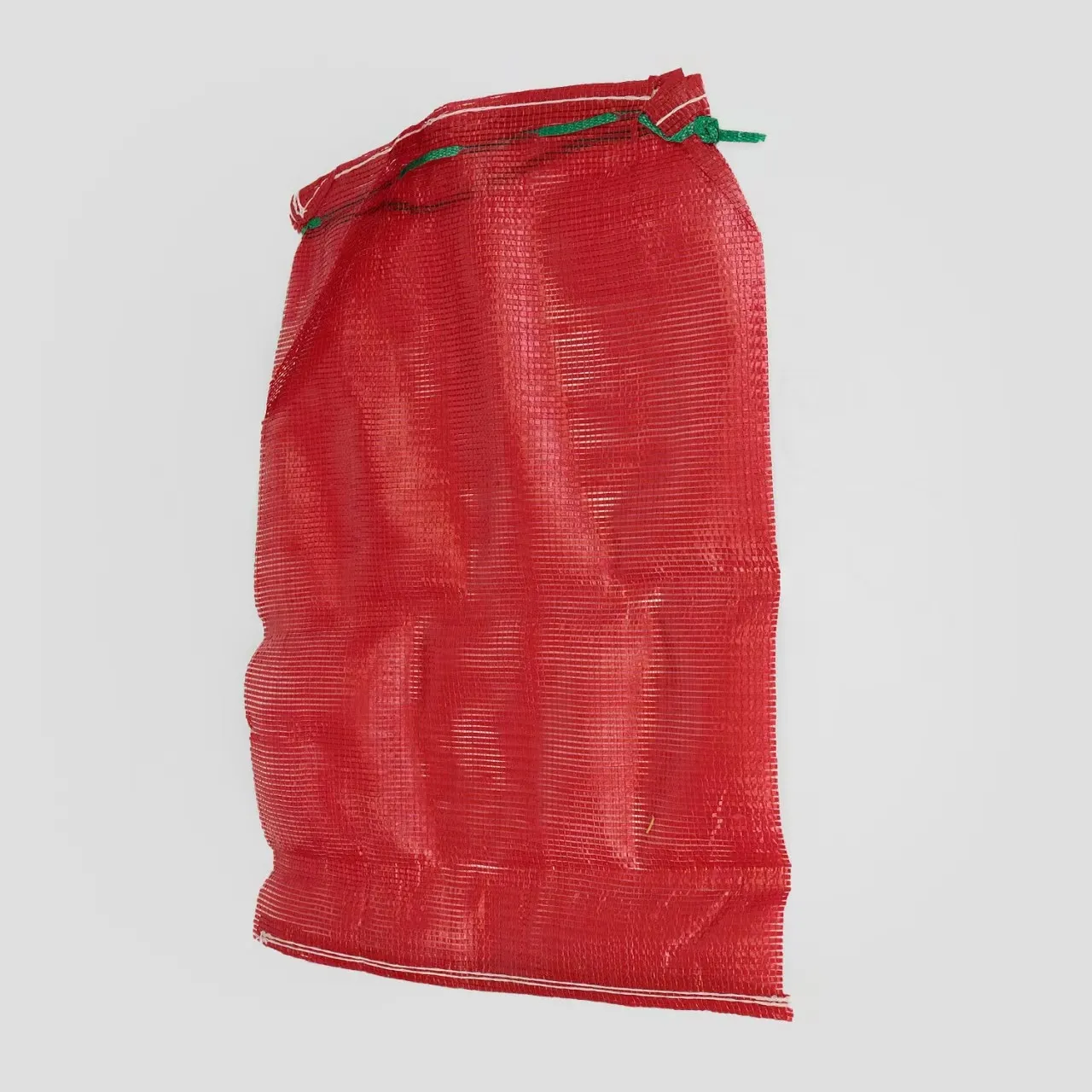
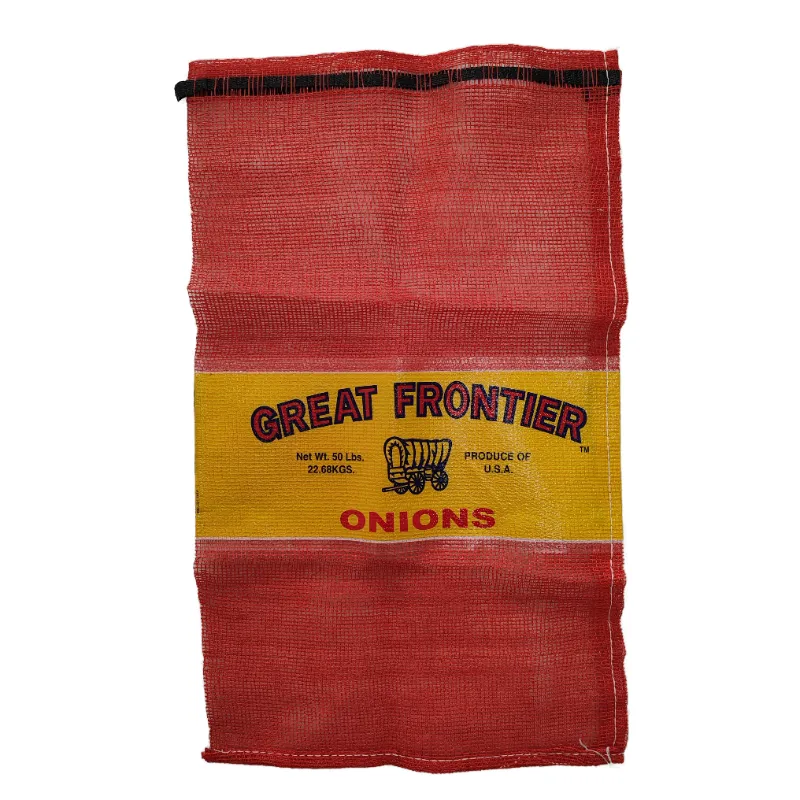
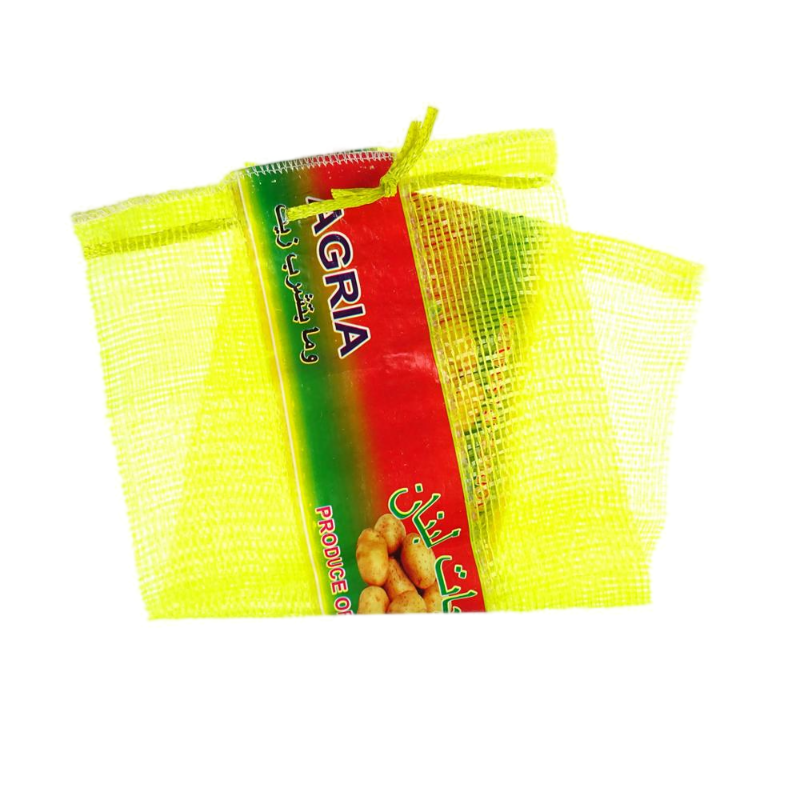
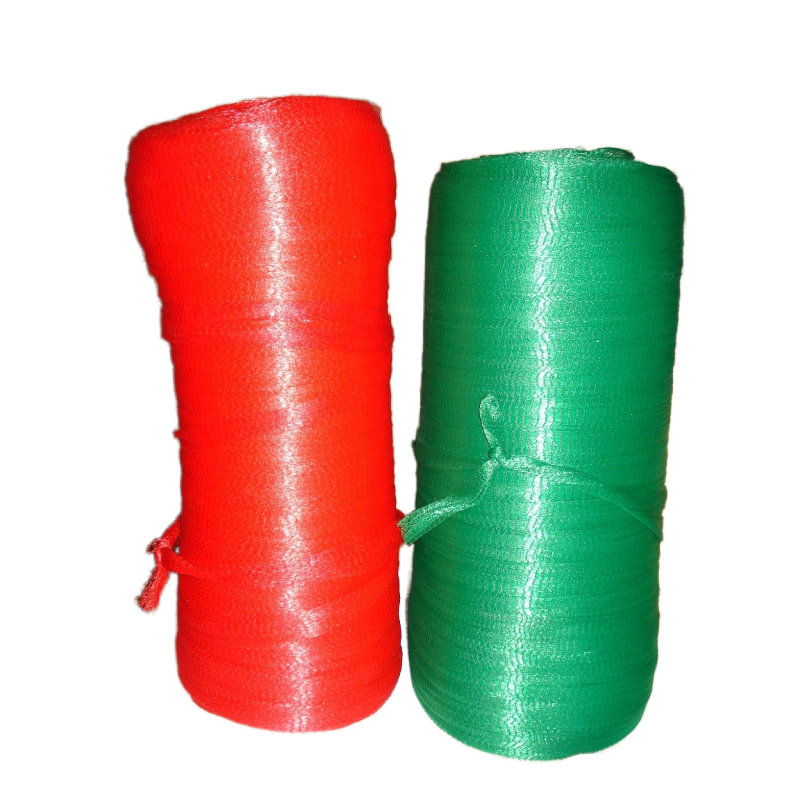
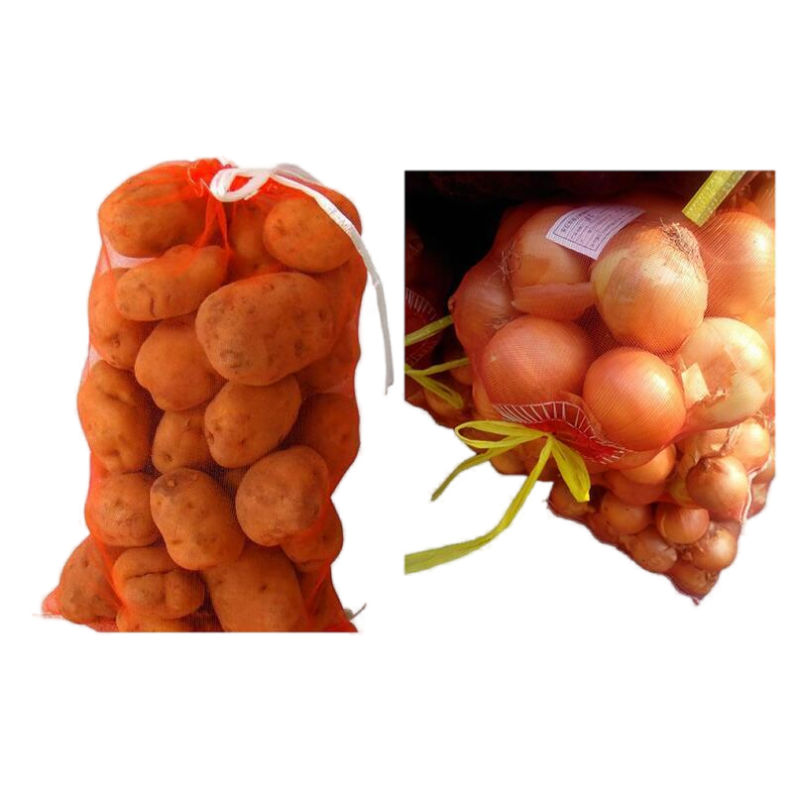
The modern vegetables bag represents a critical innovation in agricultural logistics and food preservation technology. As a specialized packaging solution, it serves far beyond basic containment, functioning as a protective environment that maintains vegetable quality from harvest to consumer. Zaozhuang Jindalai Plastics Co., Ltd. engineers vegetables bags with precise technical specifications to address the biological processes of fresh produce. These processes include respiration rates, ethylene gas production, and moisture transpiration. The primary construction materials for professional-grade vegetables bags include polyethylene and polypropylene, selected for their durability, flexibility, and food-contact safety. The design incorporates strategic ventilation patterns. This ventilation is not random but calculated to achieve optimal gas exchange. Sufficient oxygen inflow prevents anaerobic respiration, which causes off-flavors and spoilage. Simultaneous carbon dioxide outflow slows down the ripening process. This controlled atmosphere inside the vegetables bag effectively extends the shelf life of contents like potatoes, carrots, and onions by several days or even weeks compared to substandard packaging. The operational benefits for supply chain stakeholders are substantial. For large-scale farms, the use of standardized, robust vegetables bags streamlines harvesting and post-harvest handling. Bags can be integrated into automated weighing and filling systems, significantly reducing labor costs and packaging time. The uniform dimensions of these vegetables bags ensure stable palletization for transport, maximizing trailer and container space utilization. This logistical efficiency translates into lower shipping costs per unit and reduced product damage during transit. Distributors and warehouse operators value the stackability of well-designed vegetables bags, which optimizes cold storage footprint. The clear visibility or open mesh structure of many vegetables bags allows for quick quality inspection without opening the packaging, minimizing handling and potential damage. In retail environments, the vegetables bag serves as the final presentation layer. A clean, professionally manufactured vegetables bag with clear branding enhances consumer perception and can justify premium pricing for high-quality produce. The physical protection continues on the store shelf, guarding against customer handling, bruising, and contamination. The variety of vegetables bag types is extensive, each serving distinct applications. Mesh vegetables bags, including Leno and Raschel constructions, provide maximum airflow for root vegetables and others prone to rot in humid conditions. Monofilament net vegetables bags offer a softer touch for delicate items like asparagus or heirloom tomatoes, protecting them from abrasion. For items requiring moisture retention or protection from light, woven polypropylene vegetables bags with laminated layers are the optimal choice. The selection of a vegetables bag is a strategic decision that directly impacts profitability through reduced waste and enhanced product appeal. We provide comprehensive technical support to help clients select the perfect vegetables bag configuration for their specific crop and supply chain requirements. Contact our team for detailed specifications and pricing tailored to your operational scale.