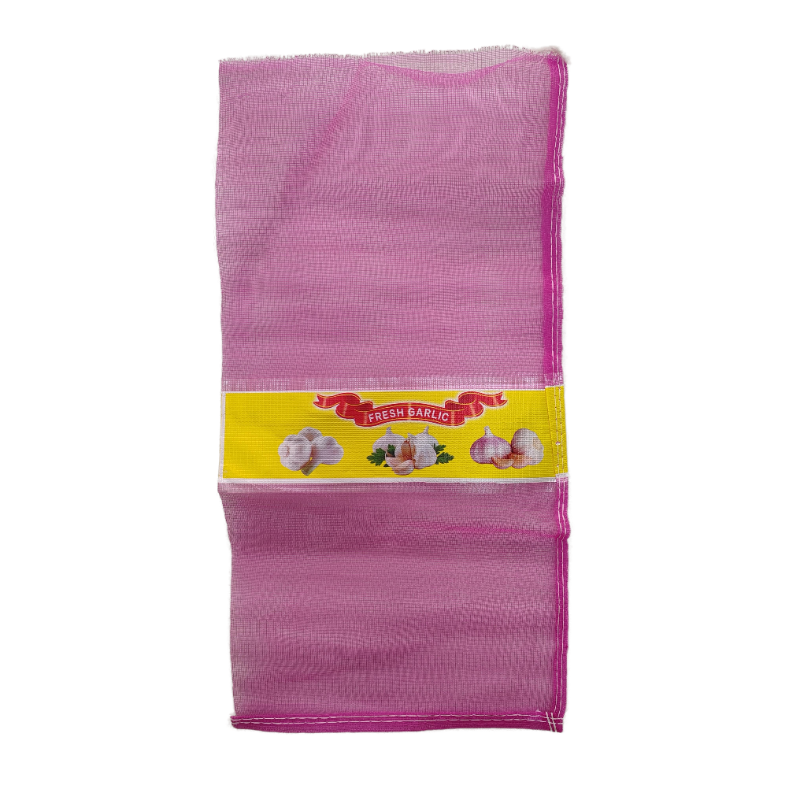
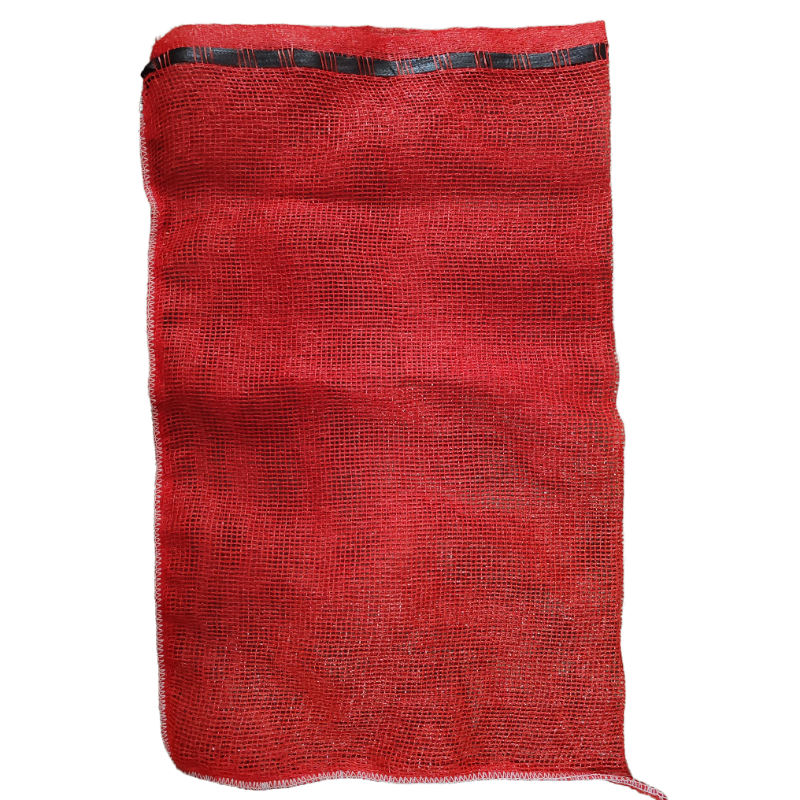
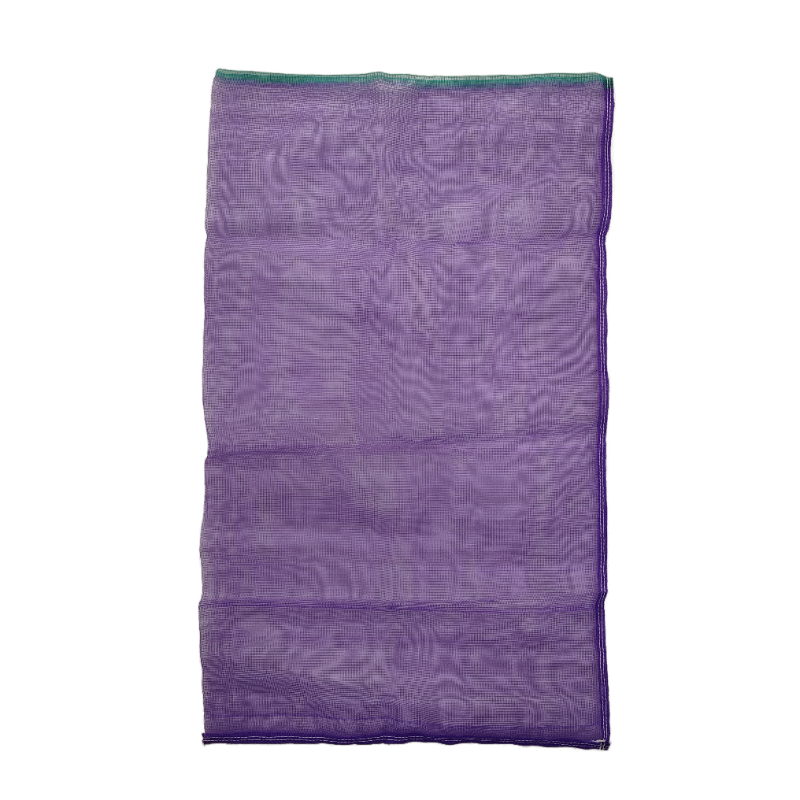
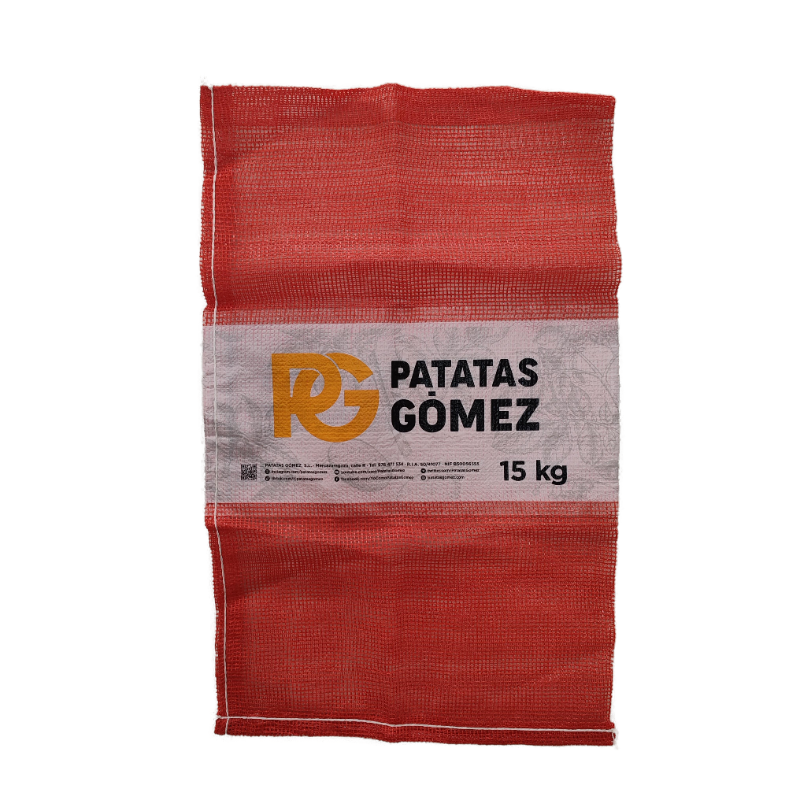
The integration of a vegetables bag into automated packaging systems is a critical aspect of modern agricultural processing. The efficiency of a high-speed packing line is heavily dependent on the consistency and performance of the packaging material itself. A vegetables bag that is poorly suited for automation can cause frequent jams, mis-feeds, and inconsistent seals, leading to significant downtime and lost productivity. Our vegetables bags are engineered specifically for compatibility with a wide range of automated machinery, including vertical form-fill-seal (VFFS) systems, horizontal wrappers, and bagging scales. The key to this compatibility lies in the physical properties of the bag. The film or mesh must have a consistent coefficient of friction—not too slippery to cause stacking issues on the feed conveyor, and not too sticky to prevent easy separation. For pre-made vegetables bags, the bags must be uniformly cut and perforated on the roll to allow for reliable opening by air jets or mechanical fingers. The bag's mouth must open predictably and fully every time to ensure efficient filling. Any static electricity can cause the bags to cling together or to machine parts, so we offer anti-static treatments that neutralize this charge, ensuring smooth operation. In the context of weighing and filling, the vegetables bag must be able to withstand the impact of the product being dropped into it from a certain height without tearing. The bottom seal must be strong enough to hold the sudden weight of the contents. For delicate items, a bag with a gusseted bottom can provide a wider base and more stable landing, reducing stress on the seams. The sealing process is another critical interface. For heat-sealed vegetables bags, the plastic film must have a consistent melting point and sealant layer to form a perfect, hermetic closure every time. Variations in material composition can lead to weak seals that fail during handling or strong seals that are difficult for consumers to open. Our quality control ensures batch-to-batch consistency in this regard. Furthermore, the printed registration on a custom vegetables bag must be precise. On automated lines, optical sensors often detect a printed mark on the bag to align it correctly for filling or labeling. Misprinted or inconsistently positioned graphics can confuse these sensors, causing the machine to reject perfectly good bags. The reliability of a vegetables bag in an automated environment is a direct function of manufacturing precision. We understand that our product is a component in your production system, and we are committed to supplying vegetables bags that maximize your line's uptime and efficiency. To discuss the specific requirements of your packaging machinery and request samples for a line test, please get in touch with our technical sales department.