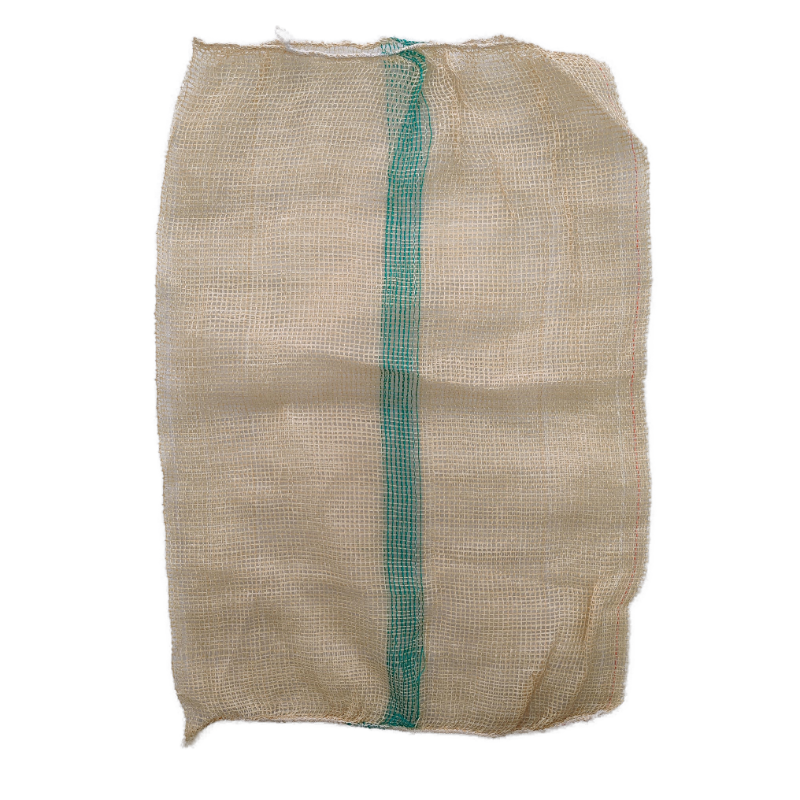
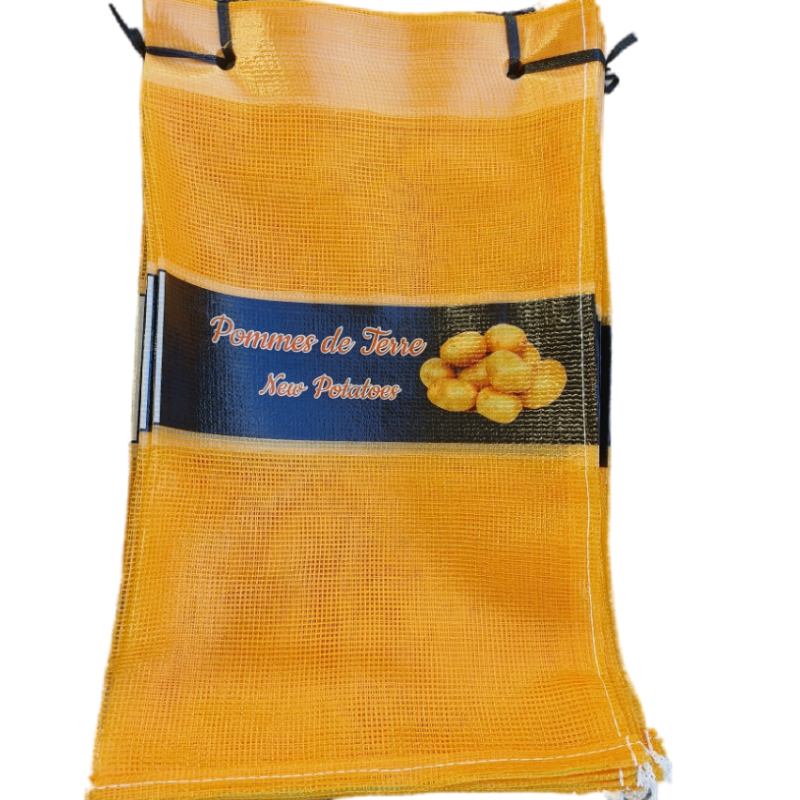
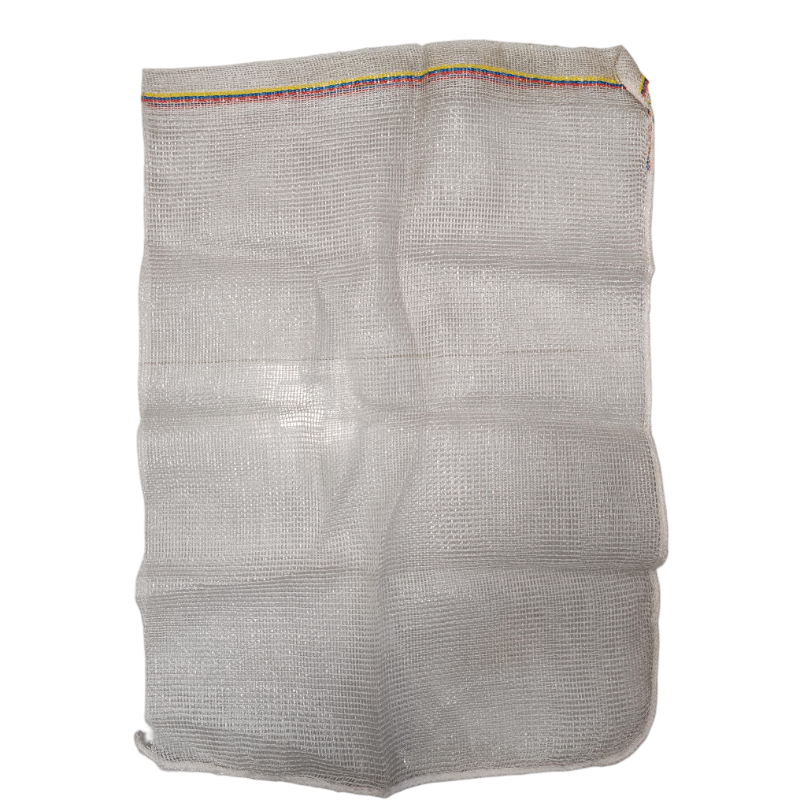
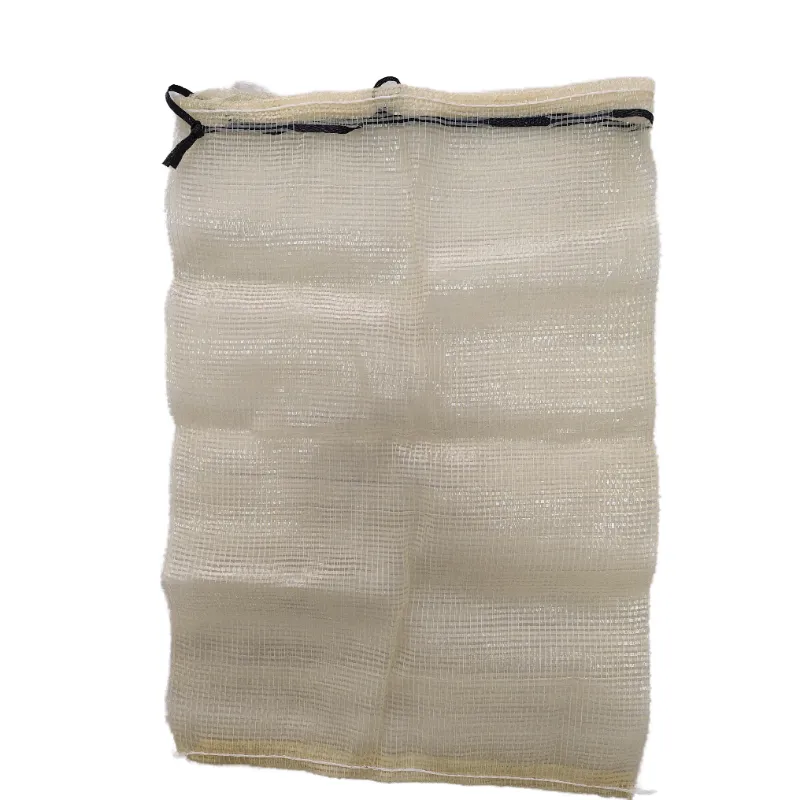
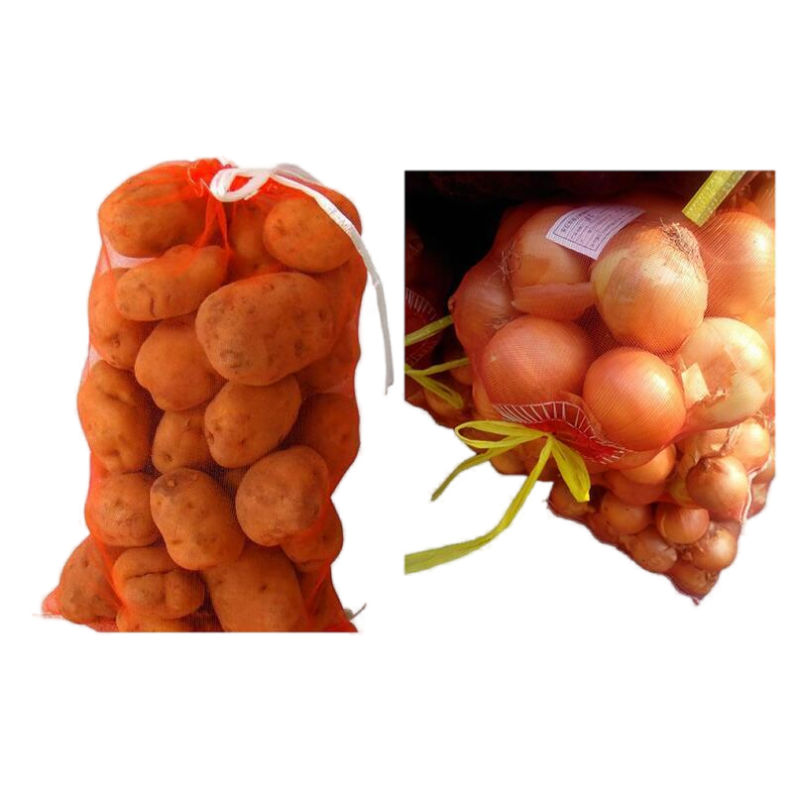
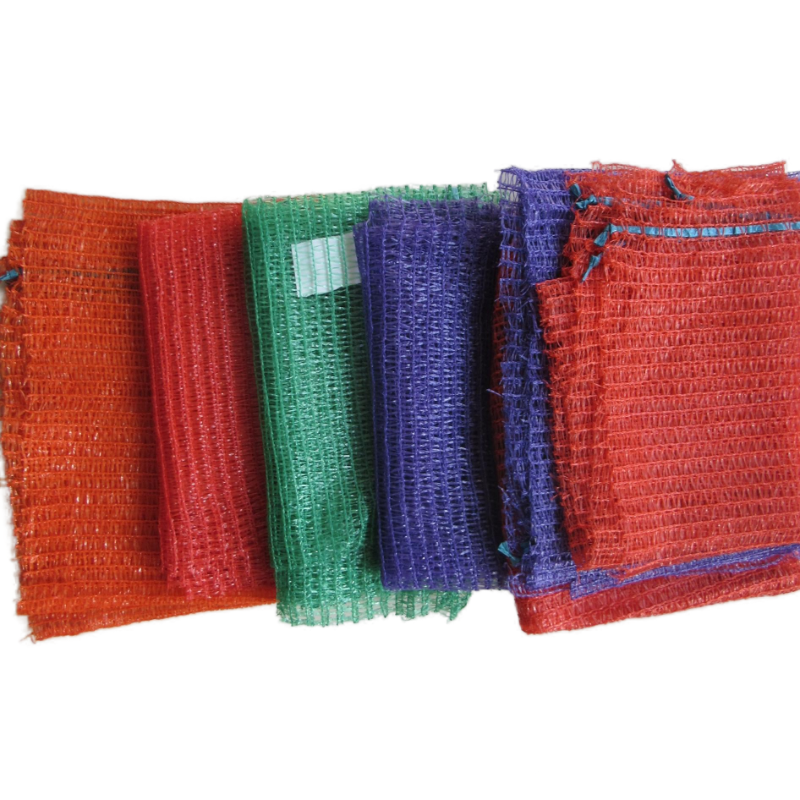
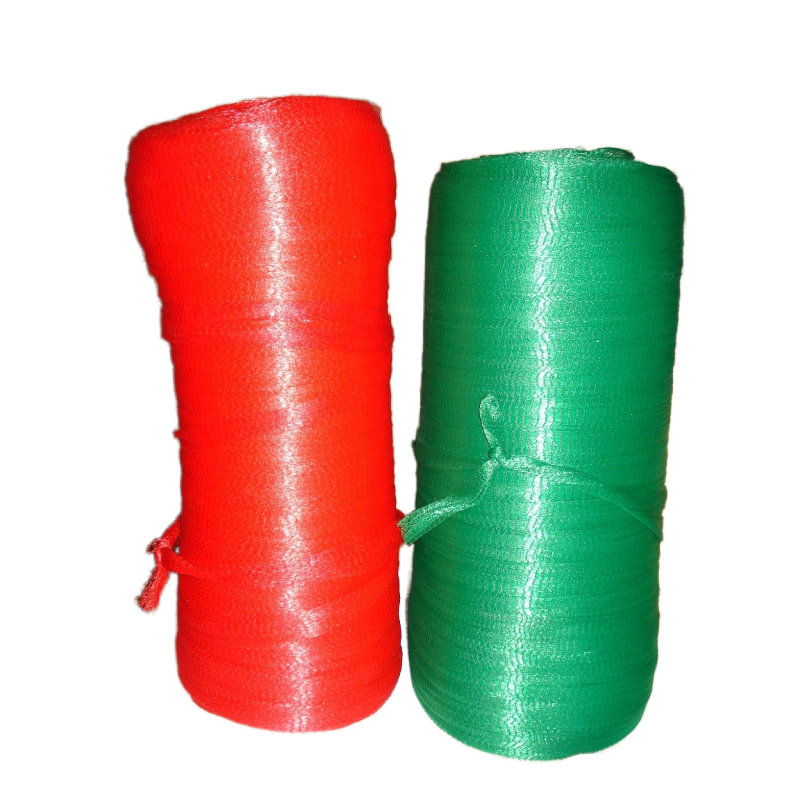
The economic impact of selecting the correct vegetables bag is a subject of critical importance for any business involved in the produce industry. A vegetables bag is often perceived as a simple commodity, but in reality, its choice is a strategic financial decision. The initial purchase price of a vegetables bag is only a small fraction of its total cost-in-use. A cheaper, lower-quality vegetables bag can lead to catastrophic financial losses through product failure, while a technically superior bag safeguards profit margins. The most significant economic benefit of a high-performance vegetables bag is the reduction in shrink, or spoilage. When vegetables deteriorate due to inadequate packaging, the loss includes not only the cost of the produce itself but also the invested labor, water, fertilizers, and energy for cultivation and transport—a total loss of value-added. A vegetables bag that extends shelf life by just two days can dramatically reduce the percentage of unsellable goods, especially for retailers operating on thin margins. This reduction in waste directly improves the bottom line. Furthermore, a vegetables bag that enhances the product's appearance commands a higher price at market. Consumers are drawn to fresh, vibrant, and undamaged produce. A bag that protects against bruising, scuffing, and dehydration ensures that the vegetables arrive in pristine condition, justifying a premium price point and increasing sales velocity. The economic value of the brand enhancement provided by a custom-printed vegetables bag should not be underestimated. A bag featuring a logo and attractive design transforms a generic commodity into a branded product. This branding builds customer loyalty and can allow a supplier to differentiate themselves, reducing competition based solely on price. The durability of the vegetables bag also creates economic advantages in logistics. Bag failures during transport or handling result in spillage, requiring cleanup and repacking, which incurs additional labor costs. A strong vegetables bag minimizes these incidents, ensuring a smoother, more efficient, and less costly supply chain operation. The efficiency gains in the packing house also contribute to economics. A vegetables bag that is easy to open, fill, and seal on automated equipment increases the line speed and reduces labor requirements. This higher throughput lowers the per-unit cost of packaging, offsetting a potentially higher initial bag cost. In essence, a professional-grade vegetables bag should be viewed as a cost-saving and profit-enhancing asset rather than an expense. It is an investment in product quality, brand equity, and operational efficiency. To conduct a thorough cost-benefit analysis for your operation, we encourage you to reach out to us. Our specialists can provide case studies demonstrating the return on investment achievable by switching to our high-quality vegetables bags.